The extradition case against Ndodana Mkhanyisi Tshuma has moved into a crucial new phase after South African prosecutors confirmed they have received the United Kingdom’s complete request to have him surrendered to face three murder charges.
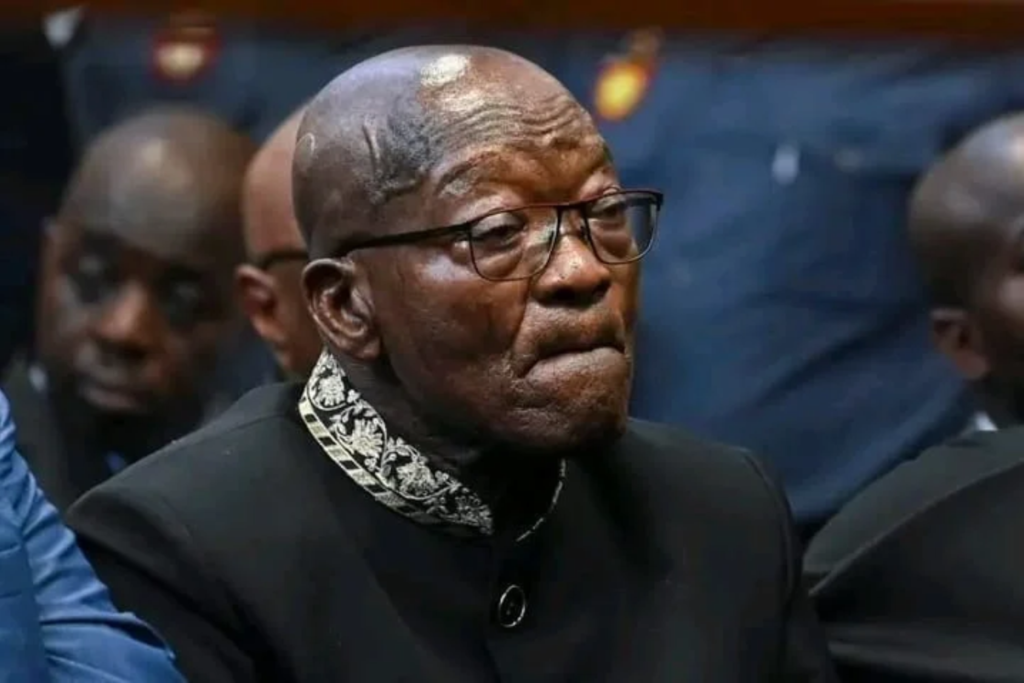
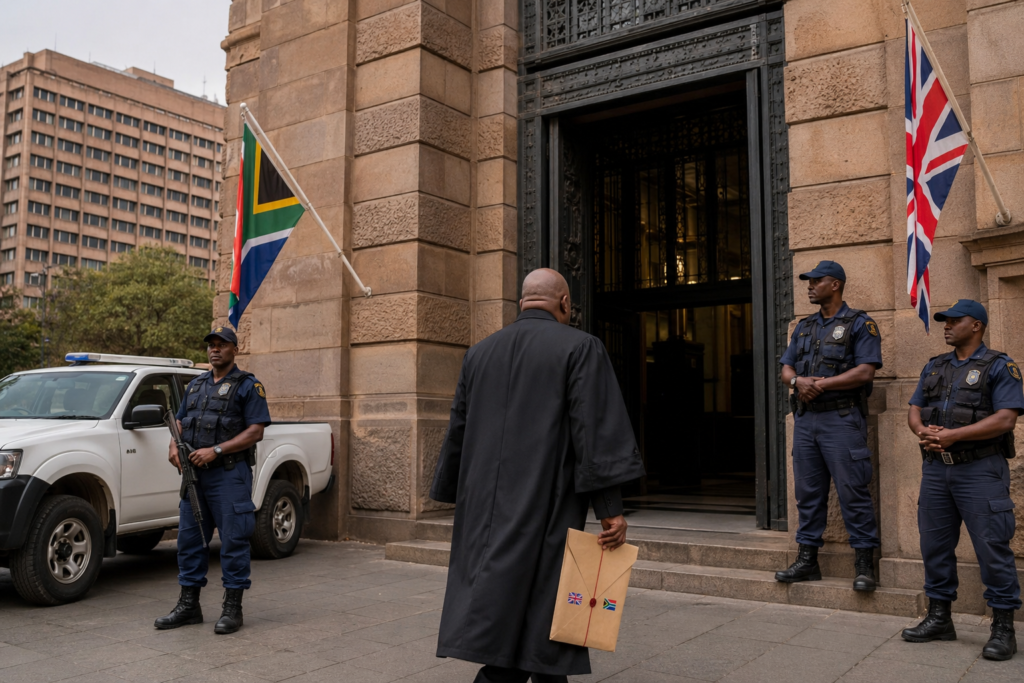
Tshuma appeared in the Johannesburg Magistrate’s Court on Thursday, 27 August 2026, where the State said investigations linked to both his extradition proceedings and a separate South African firearm case had been finalised.
Prosecutors told the court they are now ready to proceed with the extradition application.
The development removes a major procedural obstacle in a case spanning three countries and involving the deaths of Tshuma’s wife, Nothabo Zandile Tshuma, and their two daughters, Natalie, 15, and Nala, 5.
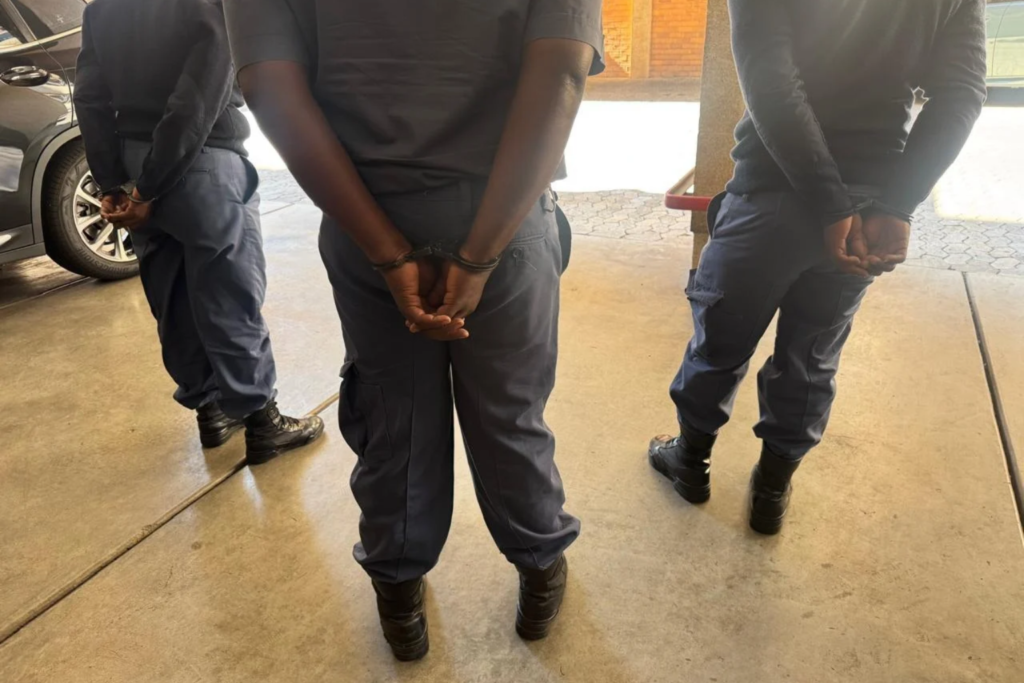
Tshuma remains in custody in South Africa.
He has not been convicted of the UK murder allegations and remains presumed innocent unless found guilty by a court.
Full UK extradition request finally received
The key development from Thursday’s hearing is that South African prosecutors are no longer waiting for outstanding documents from British authorities.
At earlier court appearances, the State indicated that additional material required for the extradition proceedings had still to be received from the UK.
That hurdle now appears to have been cleared.
Prosecutors confirmed that the complete extradition request is in their possession and that they are ready to move to the next stage of the legal process.
The development brings Tshuma closer to a South African court determining whether he should be surrendered to British authorities to face three murder charges.
It does not, however, mean that he has been extradited or that the South African court has found him guilty of the alleged murders.
Wife and daughters found dead at Bedfordshire home
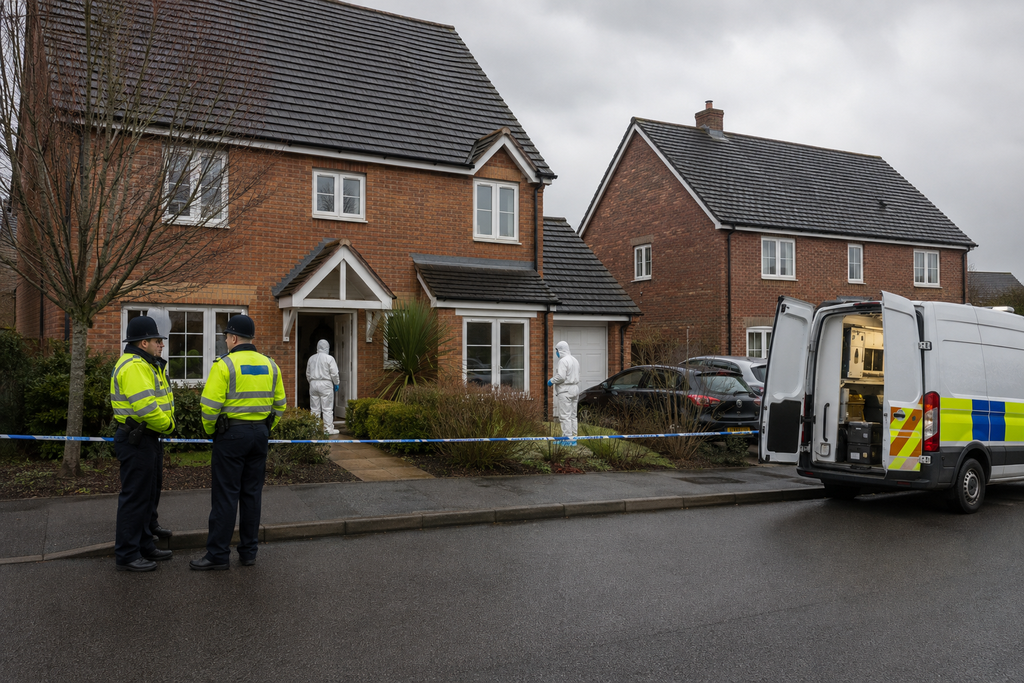
British authorities are seeking Tshuma’s extradition over the deaths of his wife and their two daughters at the family’s home in Great Denham, near Bedford in Bedfordshire.
Police forced entry into the property in July and found the bodies of 42-year-old Nothabo Zandile Tshuma, Natalie and Nala.
Post-mortem examinations found that all three had died from blunt-force trauma.
British prosecutors subsequently authorised three murder charges against Tshuma.
Those allegations have not yet been tested at trial.
Tshuma left Britain before bodies were discovered
According to British and South African authorities, Tshuma left the United Kingdom shortly before the bodies were found.
He travelled from Heathrow Airport on 4 July 2026 and later entered South Africa through OR Tambo International Airport on 5 July.
By the time the victims were discovered, Tshuma was already outside Britain.
His departure triggered an international search involving Bedfordshire Police, the UK’s National Crime Agency, Interpol and South African law-enforcement authorities.
International manhunt ends in Johannesburg
The international search eventually led investigators to Kensington in Johannesburg.
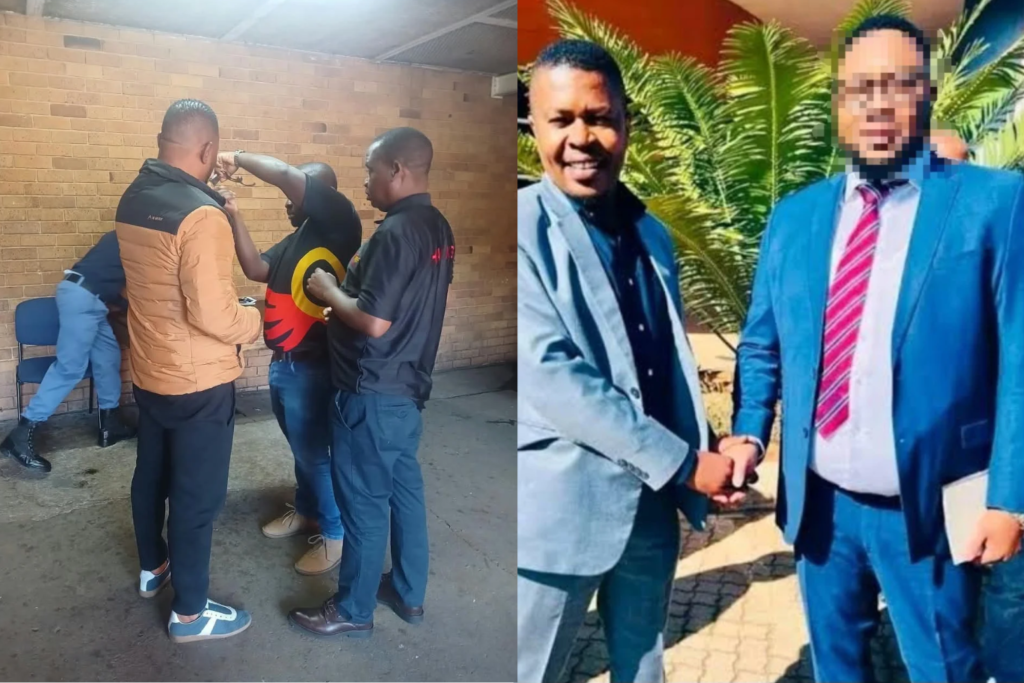
Tshuma was arrested on 10 July during an operation involving Interpol and the Gauteng Organised Crime Unit.
South African police allegedly found an unlicensed 9mm firearm and ammunition in his possession.
The discovery resulted in a separate criminal case in South Africa, unrelated to the substance of the British murder allegations.
Tshuma now faces charges relating to the unlawful possession of a firearm and ammunition while the extradition process continues.
Possible plea agreement in South African firearm case
Thursday’s hearing also revealed that Tshuma’s defence and prosecutors are discussing a possible plea agreement over the South African firearm and ammunition charges.
If an agreement is reached, Tshuma could plead guilty to those local charges.
His lawyer, Chrispen Machingura, told the court that any plea agreement could affect the timing or handling of the extradition proceedings.
No final agreement had been concluded by the time of Thursday’s hearing.
Tshuma therefore remains an accused person in the South African firearm matter.
Two legal battles unfolding at the same time
Tshuma’s case is complicated by the fact that South African authorities are dealing with two separate legal processes.
The first involves the alleged unlawful possession of a firearm and ammunition in Johannesburg.
The second is Britain’s extradition request relating to the three murder charges.
South African authorities have previously indicated that the local criminal proceedings could have an impact on when Tshuma might ultimately be transferred to Britain.
If he is convicted in South Africa and receives a sentence, authorities may have to determine whether that sentence must first be served or whether other legal arrangements can be made.
Those issues have not yet been finally determined.
Tshuma abandoned bail application
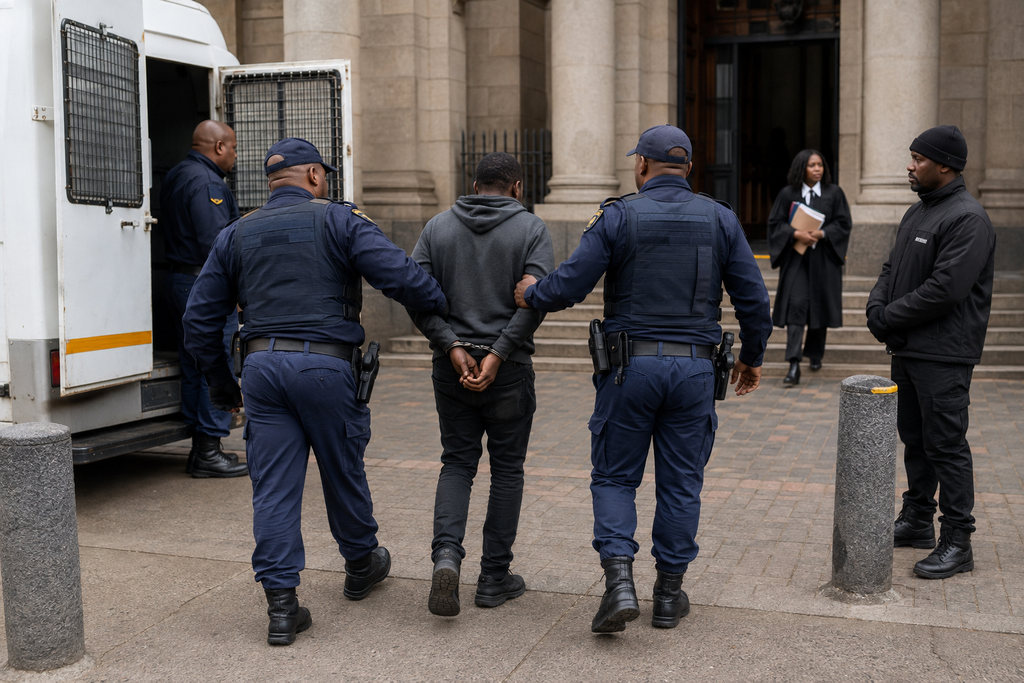
Tshuma has already abandoned an attempt to seek bail in South Africa.
During his July court appearance, he chose not to proceed with a bail application in the firearm case and remained in custody.
The State also told the court that Tshuma was regarded as a fugitive from justice.
South African immigration authorities previously indicated that his status in the country had become unlawful and that he was regarded as a prohibited and undesirable person under immigration legislation.
He remains behind bars as the two legal processes continue.
Family laid to rest in Zimbabwe
The tragedy has reverberated across Britain, Zimbabwe and South Africa.
Nothabo Zandile Tshuma and the two girls were repatriated to Zimbabwe and buried in Bulawayo earlier this month.
Their deaths prompted widespread grief among relatives and members of the Zimbabwean diaspora in Britain.
With the extradition request now complete, the case is expected to draw renewed international attention.
Why the complete extradition request matters
Until Thursday, one of the central procedural questions was whether British authorities had supplied South Africa with all the documentation required for the extradition process.
That uncertainty now appears to have been resolved.
The State told the Johannesburg Magistrate’s Court that the extradition package is complete and that prosecutors are ready to proceed.
That does not guarantee that Britain will succeed in securing Tshuma’s extradition.
He remains entitled to challenge the request in accordance with South African law.
The significance of Thursday’s development is that prosecutors can now place the substantive extradition application before the court instead of waiting for further documentation.
Extradition is not a murder trial
An extradition hearing does not determine whether Tshuma murdered his wife and daughters.
If he is ultimately returned to the UK, the question of his guilt or innocence would be determined through criminal proceedings there.
The South African court must instead consider whether the legal requirements for surrender have been met.
That distinction remains critical.
Tshuma faces extremely serious allegations, but an extradition request is not itself proof of guilt.
A case spanning three countries
The investigation illustrates the increasingly international nature of serious criminal cases.
The alleged murders occurred in Britain.
The victims had strong family connections to Zimbabwe.
The man British authorities want to prosecute was located in Johannesburg.
Investigators and prosecutors in Britain and South Africa, together with international policing structures, have therefore had to work across borders.
The arrival of the complete extradition request allows that cooperation to enter its next legal phase.
Cases postponed until September
Thursday’s proceedings were postponed, with both matters expected to return to court in September.
The latest court reports indicate that the extradition and firearm proceedings are scheduled around 8 and 10 September 2026.
Tshuma remains in custody.
The next hearings could provide further clarity on the proposed firearm plea agreement and the timetable for the substantive extradition proceedings.
What happens next?
The immediate question is whether the South African firearm case can be resolved through a plea agreement.
Beyond that, attention will increasingly turn to Britain’s extradition application.
The South African court will ultimately have to determine whether the legal requirements have been met for Tshuma to be surrendered to UK authorities to face trial over the deaths of his wife and two daughters.
For now, Thursday’s hearing represents a significant procedural advance.
South African prosecutors say they have received Britain’s complete extradition request, investigations have been finalised and the State is ready to proceed, while separate negotiations continue over a possible guilty plea to the firearm and ammunition charges.