KZN Police Commissioner Nhlanhla Mkhwanazi “war” warning after IDAC summons sparks SAPS turmoil
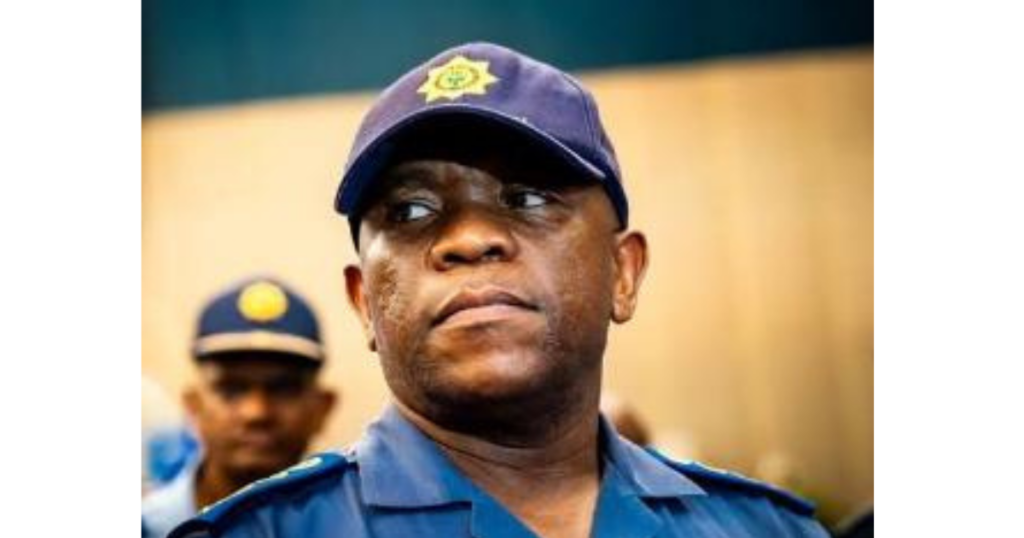
A dramatic escalation inside South Africa’s policing structures has raised fresh questions about authority, accountability and internal conflict within the South African Police Service, after KwaZulu-Natal Police Commissioner Lieutenant General Nhlanhla Mkhwanazi said he was effectively being drawn into a confrontation with the state’s anti-corruption machinery.
What began as an apparent summons by the Investigating Directorate Against Corruption (IDAC) has now unfolded into a confusing sequence of events, contradictory statements and heightened political tension within law enforcement.
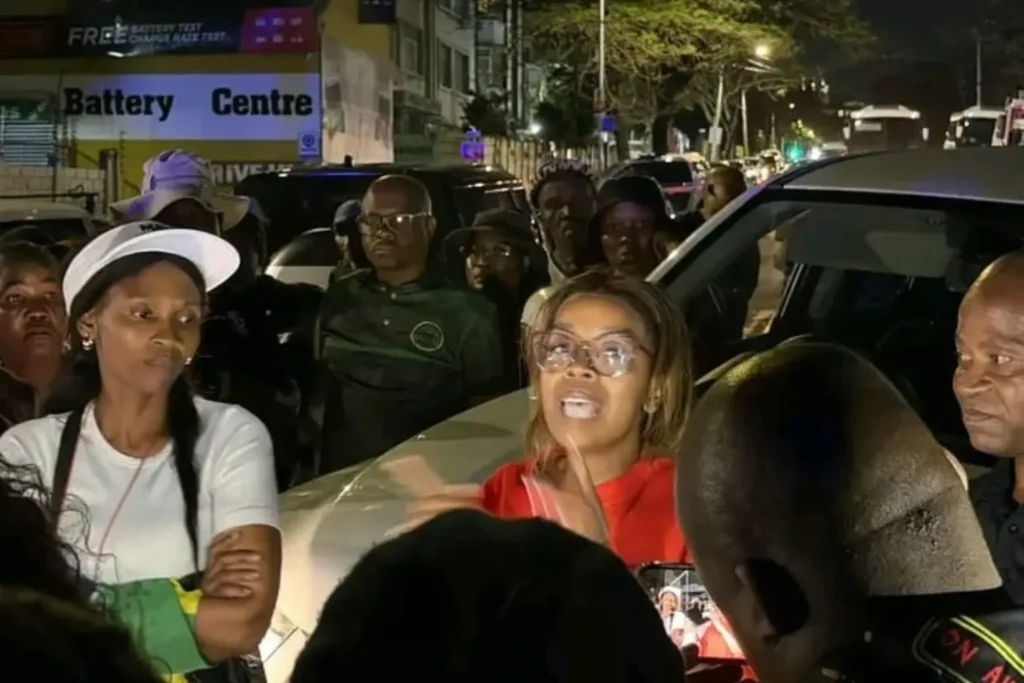
At the centre of it all is a claim by Mkhwanazi that he was instructed to report to the Brooklyn police station in Pretoria, alongside suspended Crime Intelligence head Dumisani Khumalo, amid expectations of imminent arrests linked to ongoing corruption investigations.
However, IDAC has since indicated that no arrest warrants were issued against the senior police officials, deepening uncertainty over what triggered the urgent call to present themselves.
The absence of clarity has fuelled speculation within policing and political circles, with questions mounting over whether an arrest operation was authorised, paused or miscommunicated.
“The war is here”: Mkhwanazi’s stark warning
Speaking to eNCA during the unfolding events, Mkhwanazi described the situation in stark terms, suggesting that the conflict within SAPS had reached a critical point.
“They are facing a war,” he said, referring to tensions between competing factions within law enforcement structures.
After later reporting to the Brooklyn police station as instructed, Mkhwanazi expressed frustration over the developments and repeated his sense that internal battles had escalated beyond routine disciplinary or investigative processes.
When asked about the nature of the confrontation, he responded: “Yes…”
His remarks have intensified scrutiny over long-standing divisions within Crime Intelligence and broader SAPS leadership structures.
Confusion over IDAC move raises questions
Despite initial reports suggesting imminent arrests, IDAC has reportedly denied executing new J50 arrest warrants for Mkhwanazi and Khumalo, describing such claims as misinformation.
The reversal has left key questions unanswered, including why senior officials were allegedly instructed to present themselves at a police station under the expectation of possible detention.
Authorities have yet to provide a detailed public explanation, further fuelling speculation about internal miscommunication or shifting legal strategy within the investigation.
A wider battle inside Crime Intelligence
The unfolding saga is taking place against the backdrop of deep fractures within SAPS Crime Intelligence, where competing factions have long accused one another of misconduct, political interference and abuse of power.
Suspended Major-General Feroz Khan has become a central figure in the dispute. His conduct has been heavily scrutinised during proceedings at the Madlanga Commission and Parliament’s ad hoc committee investigating police corruption.
Khan has faced allegations, which he has not been criminally convicted for, including claims of leaking sensitive intelligence and maintaining alleged links to organised criminal networks. These claims have been raised in sworn affidavits and testimony, and remain under examination by investigative bodies.
He has also been linked, in allegations presented to the commission, to Vusimuzi “Cat” Matlala, described in testimony as having alleged connections to organised crime. Khan has denied wrongdoing in relation to such claims.
Political pressure and internal SAPS divisions
The tensions have drawn in senior political and policing figures, including former Police Minister Bheki Cele, who was previously referenced in testimony relating to internal SAPS disputes dating back to 2021.
Mkhwanazi and Khumalo have in the past positioned themselves as critics of certain elements within Crime Intelligence leadership, claiming the unit had been compromised and required urgent reform.
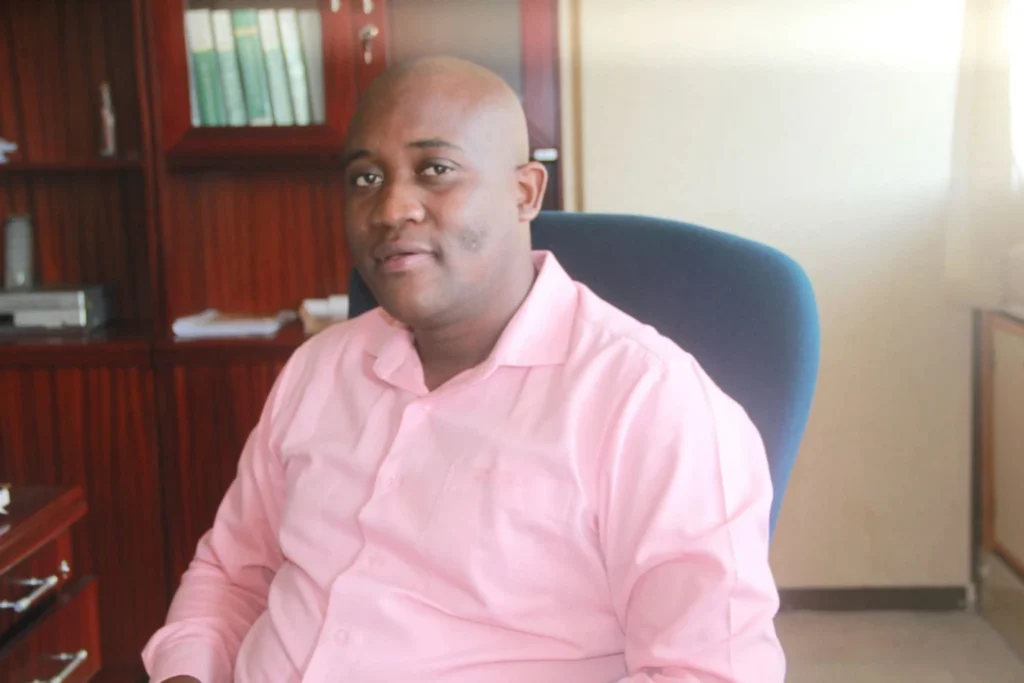
At the Madlanga Commission, Khumalo’s arrest on fraud-related charges over an alleged irregular appointment was described by his supporters as politically motivated. IDAC, however, proceeded with that arrest at the time.
The broader conflict has increasingly been described by insiders as a power struggle within intelligence structures, rather than a single isolated disciplinary matter.
Leaks, allegations and widening mistrust
Additional allegations have emerged through commission submissions, including claims that sensitive intelligence may have been leaked to political figures such as Economic Freedom Fighters leader Julius Malema. These claims remain untested in court and are part of ongoing investigative processes.
Meanwhile, internal mistrust within SAPS continues to deepen as competing narratives circulate about who is targeting whom, and why.
A crisis still unfolding
As of now, no formal arrests of Mkhwanazi or Khumalo have been confirmed in relation to the IDAC developments, and no clear explanation has been issued for the initial summons.
What remains undeniable is that South Africa’s policing leadership is under unprecedented strain, with senior figures openly speaking of conflict, institutional breakdown and internal “war”.
Whether this marks a turning point in long-running anti-corruption efforts within SAPS, or another chapter in its internal power struggles, remains to be seen.
For now, the country is left with more questions than answers, and a police service grappling with its own divisions at the highest level.