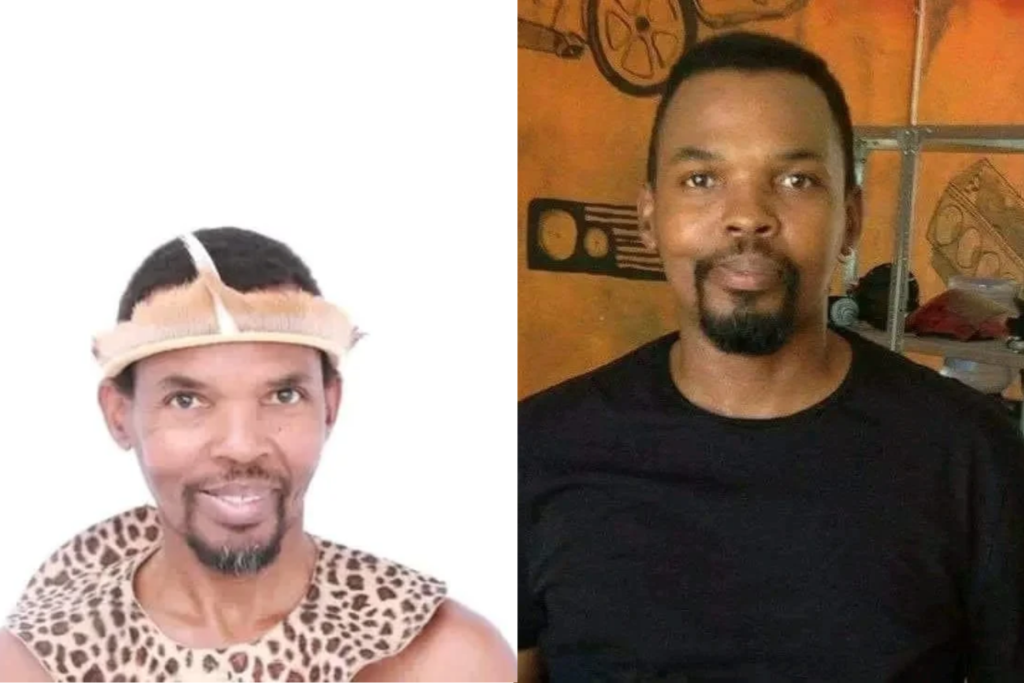
Thandokazi Mike Defends Chidimma Adetshina, Claims ID System Double Standards
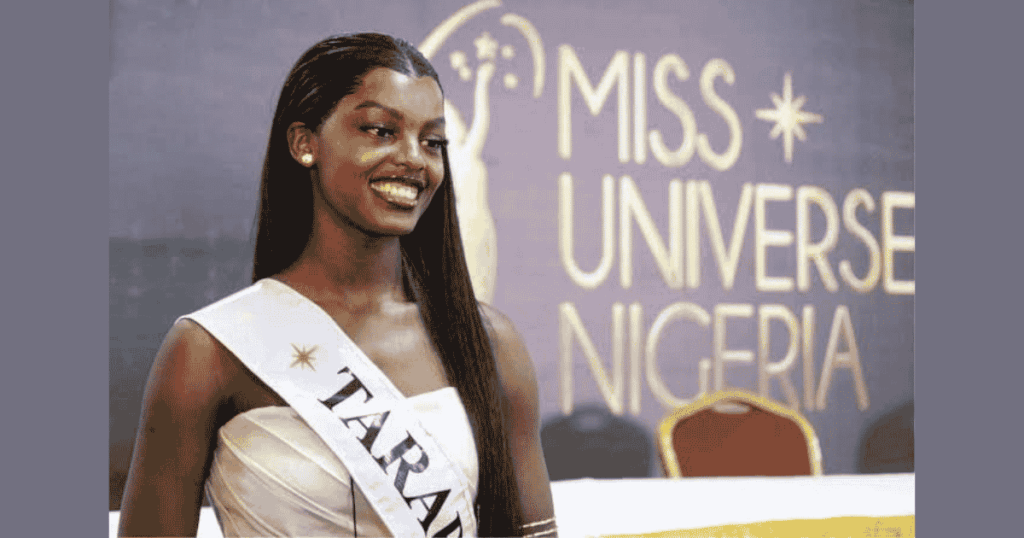
Western Cape resident Thandokazi Mike says Chidimma Adetshina should be given an opportunity to regularise her papers and remain in South Africa legally, instead of being deported over alleged documentation issues linked to her mother.
Speaking to MDNtv, Mike argued that Adetshina should not be punished for circumstances she may not have created herself.
According to Mike, if there were irregularities in how Adetshina’s documents were obtained, the responsibility should fall on the parent or adult involved at the time, not on the child who grew up under those documents.
Mike said the matter should be handled through a lawful Home Affairs process that allows Adetshina to correct her status and remain in the country legally if she qualifies.
Her remarks come amid renewed public debate over immigration, citizenship, identity documents and the role of the Department of Home Affairs in verifying who is legally entitled to South African documentation.
Mike also made broader allegations about what she described as unequal treatment in South Africa’s immigration and identity documentation system.
She claimed that white immigrants from countries such as Germany, France and Italy, as well as their South African-born children, appear to obtain South African identity documents more easily than African foreign nationals, including Zimbabweans.
Mike alleged that the country applies a double standard, saying some immigrants are treated more favourably while others become the face of public anger over illegal immigration.
She further claimed that identity fraud in South Africa did not begin recently, but has roots dating back to the apartheid era.
Mike accused some white South Africans of using African foreign nationals as a distraction from deeper problems in the country’s identity documentation system.
She also claimed that prominent figures, including Helen Zille and the Rupert family, are aware of the alleged problem. MDNtv has not independently verified those claims.
The comments are likely to spark strong reaction, particularly at a time when South Africa is grappling with heated debates over undocumented migration, identity fraud, citizenship and access to state services.
The Chidimma Adetshina matter has become one of the most visible examples of how complex identity and nationality questions can become when a person’s legal status is challenged years after they have lived, studied or worked in the country.
Mike’s position is that the law should be applied, but that fairness must also be considered when the person affected was allegedly not responsible for the original documentation process.
The debate now raises a difficult question for South Africa: should people caught in documentation disputes be removed from the country immediately, or should they first be allowed to regularise their status where possible?