Nkabinde Inquiry Rejects Batohi Bid as Chauke Fitness Probe Intensifies in Pretoria
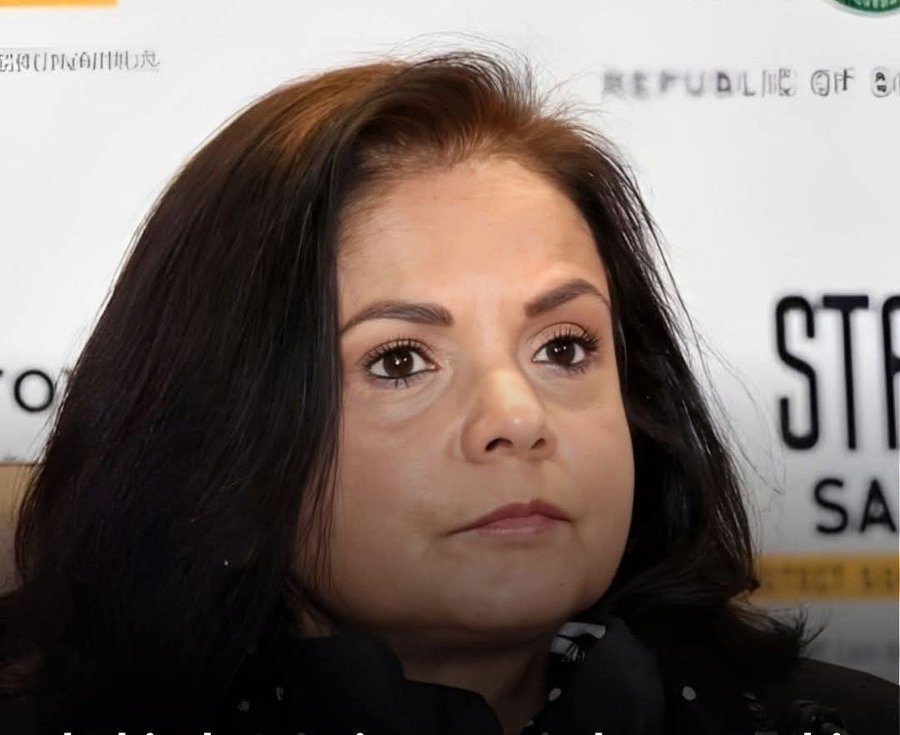
PRETORIA — The already tense inquiry into the fitness of senior prosecutor Andrew Chauke to remain in office has taken another dramatic turn, after a panel rejected a bid by former National Director of Public Prosecutions, Shamila Batohi, to place additional evidence on record.
The decision, handed down on Friday by the chairperson of the Nkabinde Inquiry, marks a significant procedural setback for Batohi, who had sought permission to submit further written representations explaining her earlier decision to halt oral testimony before the inquiry.
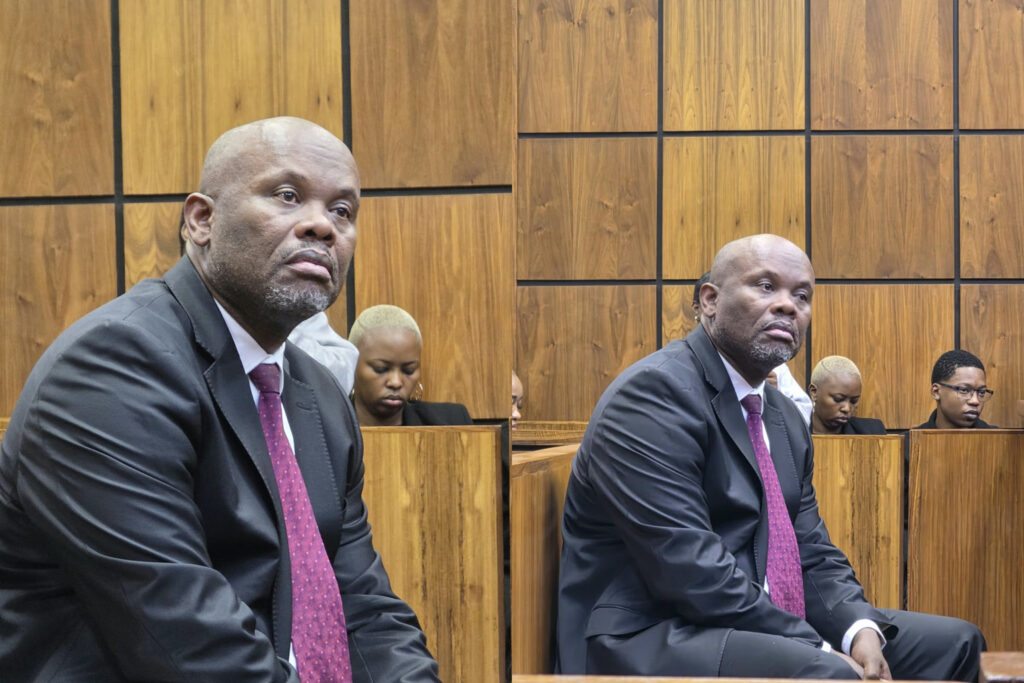
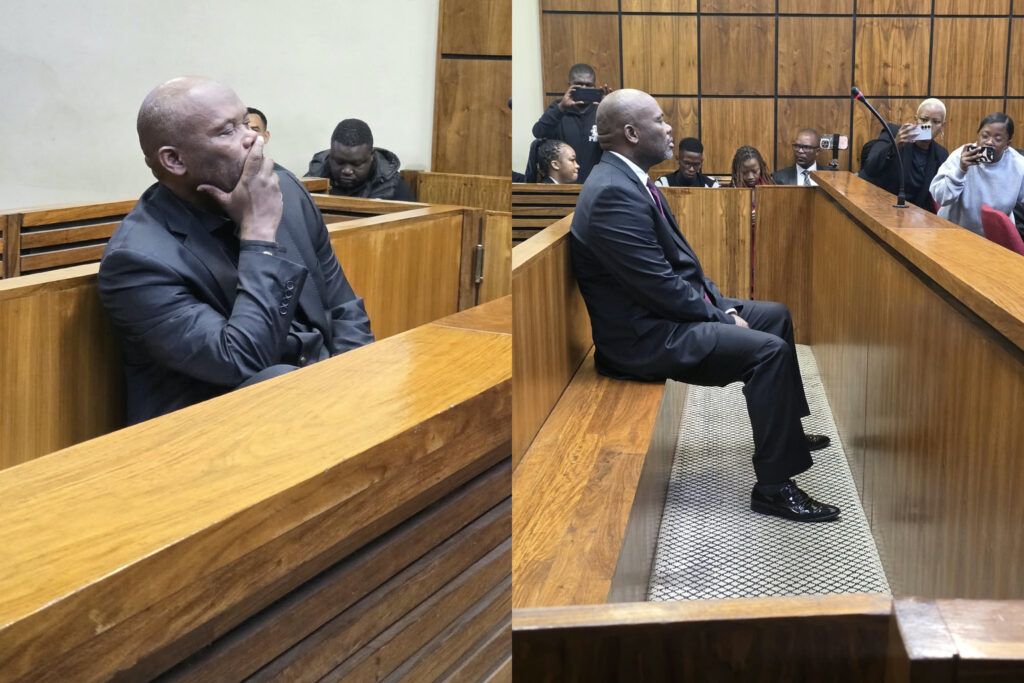
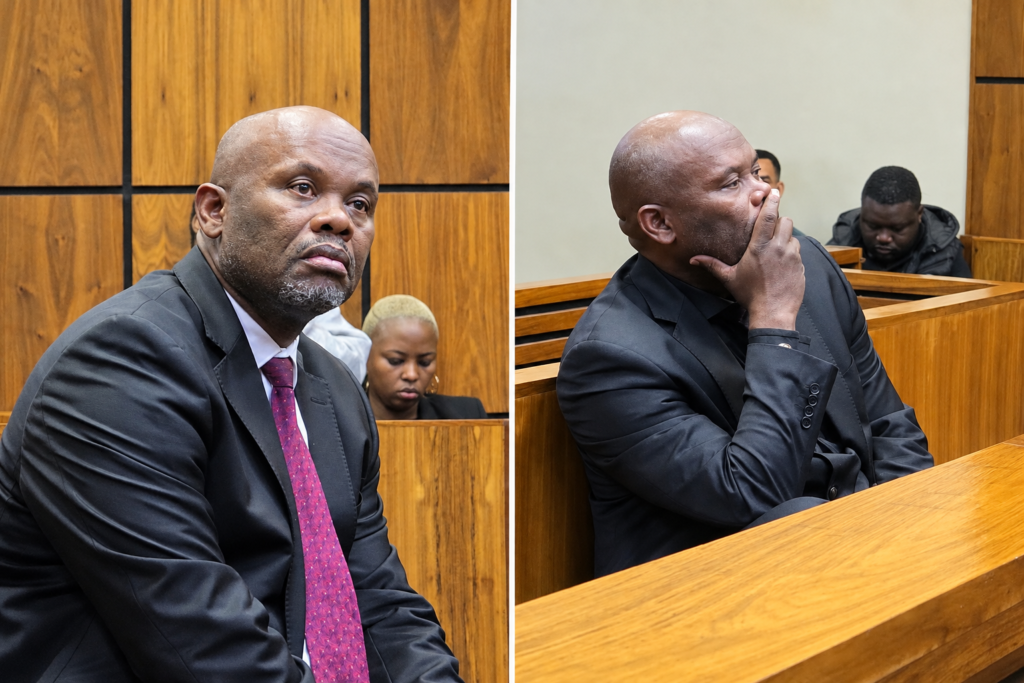
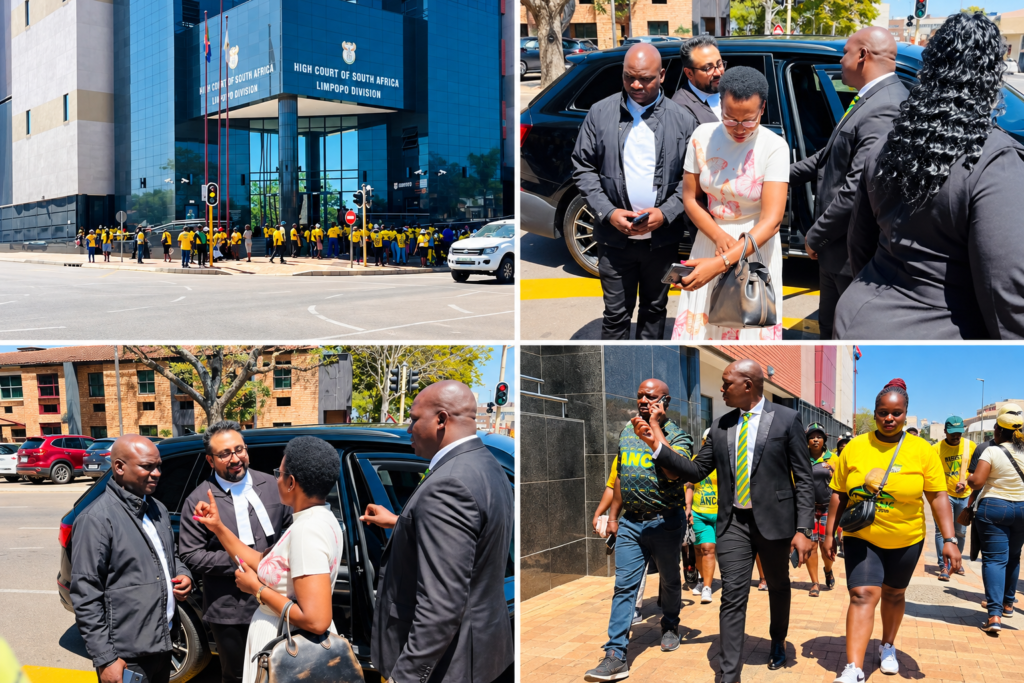
The inquiry, established under Section 12(6) of the National Prosecuting Authority Act, is tasked with determining whether Chauke, the Director of Public Prosecutions for South Gauteng, remains fit to hold office. It has already become one of the most closely watched accountability processes involving South Africa’s prosecutorial leadership.
At the heart of Batohi’s application was an attempt to provide additional context around what she described as incomplete cross-examination during her appearance before the panel. Her legal team argued that the written submissions were necessary to ensure the record fully reflected her position and the circumstances under which her testimony was curtailed.
However, the panel was not persuaded.
In its ruling, it confirmed that it had considered the application alongside responses from other interested parties and the applicable legal framework governing the inquiry. It ultimately concluded that the submissions could not be admitted into the evidentiary record.
While the full reasoning has not yet been made public, the panel said it would be set out in detail in a written ruling, which addresses issues of procedural fairness, evidentiary rules and the scope of the inquiry’s mandate.
The effect of the decision is immediate and decisive: Batohi’s proposed written account will not form part of the official record as the inquiry moves toward its conclusion.
The development adds another layer of scrutiny to proceedings that have already drawn significant public and institutional attention, with senior prosecutorial decisions and internal dynamics under the spotlight.
The Nkabinde Inquiry has emphasised that it remains committed to completing its work independently and within the prescribed timeframe. A final report will be submitted to President Cyril Ramaphosa once all proceedings have been concluded.
As the inquiry edges closer to its final phase, the latest ruling is likely to intensify debate over procedural fairness, institutional accountability and the conduct of some of South Africa’s most senior legal figures.
What remains clear is that the battle over what forms part of the official record is now as consequential as the inquiry itself.