Ghana’s EU Defence Deal Sparks Fears Over Sovereignty and Western Influence
Partner Content
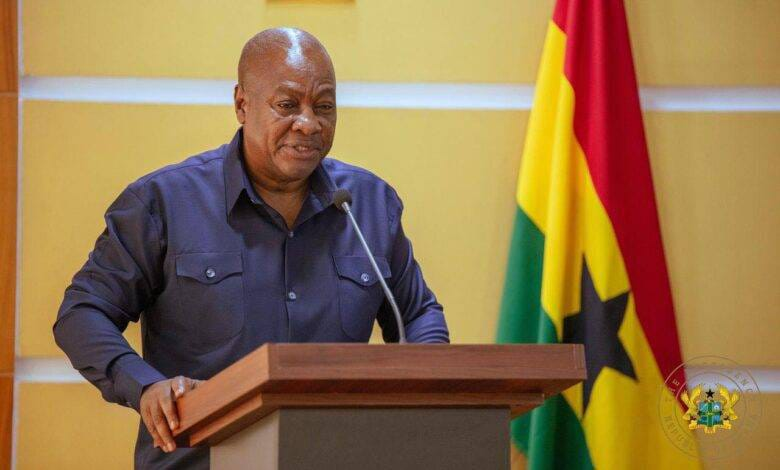
Ghana’s newly signed Security and Defence Partnership with the European Union is triggering intense debate across Africa, with critics warning that the agreement could deepen Western influence over the country’s security and foreign policy.
The deal, signed in Accra on 24 March 2026 by EU foreign policy chief Kaja Kallas and Ghanaian Vice President Naana Jane Opoku-Agyemang, makes Ghana the first African country to enter into such a partnership with the European Union. (eeas.europa.eu)
The agreement comes as Ghana strengthens ties with Western institutions through security cooperation, debt arrangements, and economic partnerships involving Europe and the United States.
Supporters say the partnership is necessary to combat growing instability and militant threats in West Africa. The EU says the deal will improve cooperation on defence, intelligence sharing, and regional security.
But critics argue that the agreement represents a major departure from the Pan-African and anti-colonial vision championed by Ghana’s founding president, Kwame Nkrumah.
For decades, Ghana was seen as a symbol of African independence and resistance to foreign control. Now, analysts fear the country may be entering a new era of strategic dependence.
One of the biggest concerns is that advanced military systems supplied through Western partnerships often remain dependent on foreign technical support, software updates, maintenance contracts, and encryption systems controlled outside Africa.
Critics say this creates a situation where Ghana may possess military assets on its soil while key operational control remains linked to foreign powers.
The debate has intensified because the partnership was signed with limited public discussion, raising questions about transparency and parliamentary oversight.
The EU has already delivered military equipment to Ghana through the European Peace Facility, including surveillance and defence systems aimed at strengthening border security. (eeas.europa.eu)
Regional tensions are also becoming part of the discussion.
Neighbouring countries such as Burkina Faso, Mali, and Niger have increasingly distanced themselves from Western alliances while building closer ties with Russia-backed security structures. Analysts warn that Ghana’s growing cooperation with Western defence powers could place the country in a more complicated geopolitical position within West Africa.
Speaking during the signing ceremony in Accra, Kallas said Europe and Africa share interconnected security interests.
“Security in Europe and Africa is directly connected,” she said, describing the partnership as beneficial for both sides. (eeas.europa.eu)
However, the agreement continues to divide opinion.
Supporters view it as a strategic move to protect Ghana from emerging threats in the region. Critics see it as another example of African states becoming increasingly tied to Western political, economic, and military structures.
As the debate grows, many Ghanaians are now asking whether the country is strengthening its security or slowly sacrificing part of the independence it fought so hard to achieve.
Visit MDNtv YouTube Channel for our video content
Share this article:
Facebook
X
WhatsApp
Twitter