
Mnangagwa Signs Zimbabwe Term Extension Law Amid Constitutional Coup Claims
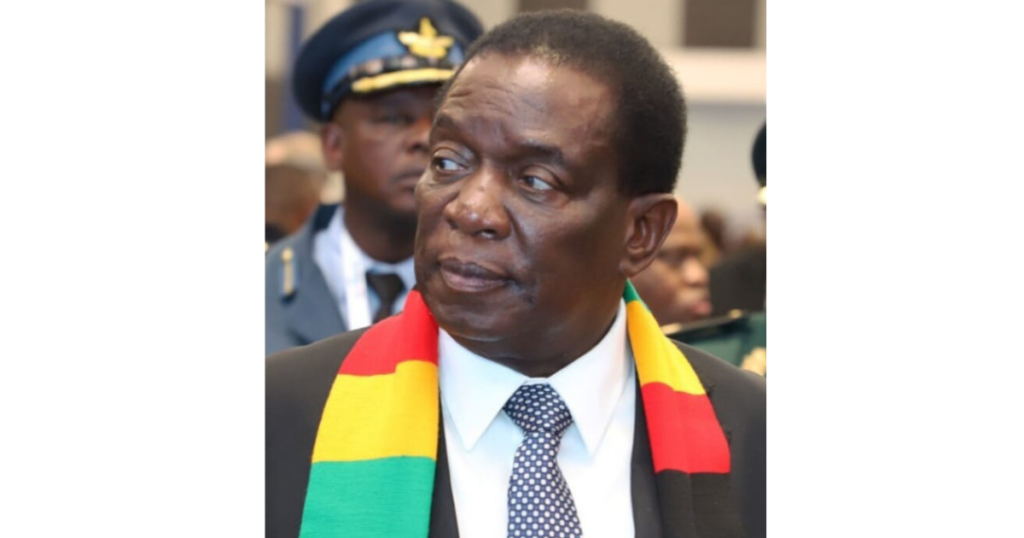
Zimbabwe’s political landscape has been reshaped after President Emmerson Mnangagwa signed a controversial constitutional amendment that extends presidential and parliamentary terms from five years to seven years, triggering fierce debate over the future of democracy in the country.
The newly signed Constitution of Zimbabwe Amendment (No. 3) Act introduces sweeping changes to the country’s political system, including a major shift in how the president is chosen. Under the amendment, the head of state will no longer be elected directly by citizens but will instead be selected by Parliament.
The move has intensified accusations from opposition leaders and critics who say the law weakens public participation in elections and strengthens the grip of the ruling ZANU PF party.
At the centre of the controversy is Mnangagwa himself. The 83-year-old president, who is serving his second term after taking power in 2017, will now be able to remain in office until 2030. Under the previous constitutional framework adopted in 2013, his current five-year term was expected to end in 2028.
Opposition Warns of Democratic Setback
The constitutional changes have been described by critics as a “constitutional coup”, with opponents arguing that the amendments remove important democratic safeguards that were introduced after decades of one-party dominance under former president Robert Mugabe.
Opposition figures have accused the government of using its parliamentary majority to rewrite political rules in a way that benefits the current leadership.
They argue that allowing Parliament to select the president could reduce the influence of ordinary voters and concentrate more authority among political elites.
Supporters of the amendment, however, have defended the changes, saying they are designed to promote political stability and provide more time for the government to complete long-term development plans.
Sweeping Changes Beyond Presidential Terms
The amendment does not only affect presidential elections. It also introduces several other changes to Zimbabwe’s constitutional structure.
Among the reforms are an increase in the size of the Senate, changes to voter registration responsibilities, and adjustments to the process of appointing members of the judiciary.
Government officials have presented the changes as part of wider institutional reforms aimed at improving governance and supporting national development programmes.
Critics, however, say the additional changes raise concerns about the balance of power between state institutions.
Mnangagwa’s Political Future Under Fresh Scrutiny
Mnangagwa came to power in 2017 after the military backed removal of longtime ruler Robert Mugabe, ending Mugabe’s 37-year presidency.
When he took office, Mnangagwa pledged to uphold constitutional principles and respect presidential term limits. His decision to approve the amendment has now placed those commitments under renewed scrutiny.
Political analysts say the move could have long-term consequences for Zimbabwe’s democratic institutions and the relationship between government and citizens.
The government is expected to provide further details on how the new law will be implemented, while opposition groups and civil society organisations continue to challenge the implications of the constitutional changes.
For many Zimbabweans, the amendment represents more than a legal adjustment. It marks a defining moment in the country’s political future and raises a fundamental question about who holds the power to decide the direction of the nation: elected representatives or the people themselves.