
12 Babies Born at Durban Migrant Camp as Humanitarian Crisis Deepens
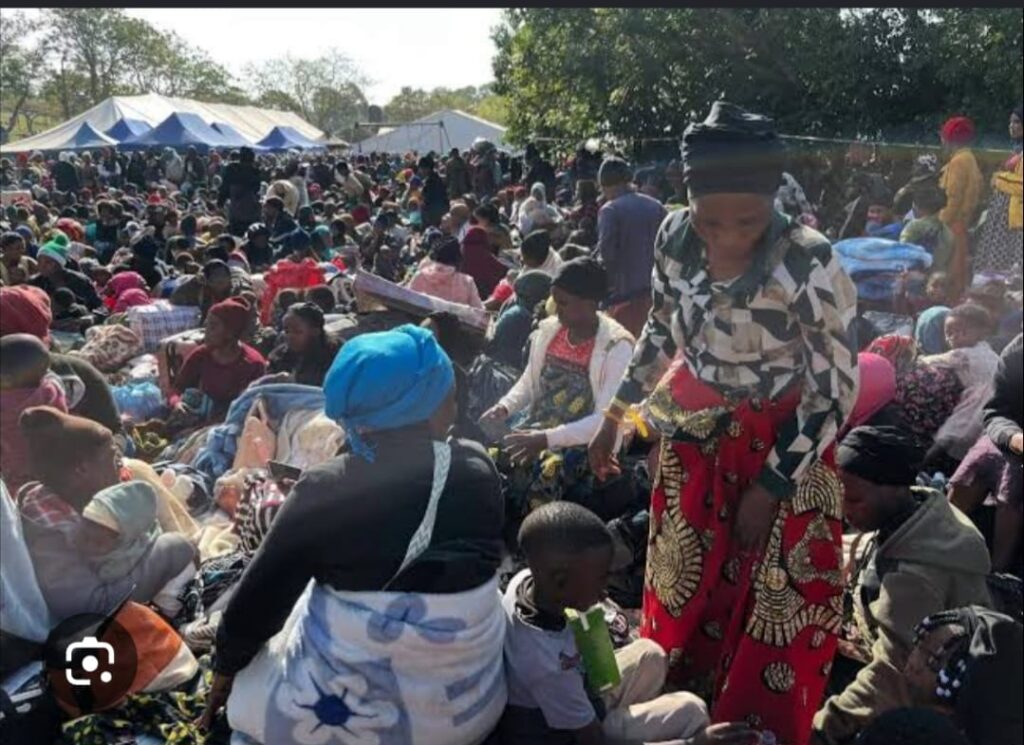
Newborns Arrive Amid Uncertainty at Sherwood Encampment
Twelve babies have been born at a makeshift migrant camp in Durban’s Sherwood area, shining a fragile light of hope amid a growing humanitarian crisis that has unfolded in full view of South Africa.
The Department of Home Affairs has confirmed the births at the sprawling encampment established around Sherwood Community Hall, where thousands of Malawian nationals have sought refuge since early June 2026 after fleeing mounting anti-migrant tensions across KwaZulu-Natal.
For weeks, families have been living in difficult conditions under temporary shelter, waiting for answers about their future while authorities work to process a large-scale voluntary repatriation programme. Among them are mothers, newborn babies, toddlers and elderly residents, many of whom arrived with little more than the belongings they could carry.
Thousands Displaced Following Anti-Migrant Tensions
The camp emerged after waves of anti-migrant protests and community tensions forced many foreign nationals to leave their homes and workplaces.
Numerous Malawian nationals reported being displaced by landlords or local residents, while others said they lost employment because of documentation-related issues. What began as a temporary refuge has evolved into a complex humanitarian and immigration challenge involving hundreds of vulnerable families.
Officials estimate that the number of people at the site has fluctuated between more than 1,000 and nearly 1,900 individuals, making it one of the most significant migrant displacement situations seen in the province in recent years.
Home Affairs: Majority of Camp Occupants Are in South Africa Illegally
Home Affairs officials have verified that most of the individuals currently staying at the camp are in South Africa illegally.
The department has been overseeing a large voluntary repatriation operation in partnership with the Malawian government. Multiple buses have already transported groups of migrants back to Malawi, with women and children being prioritised during the process.
Authorities say the operation is intended to provide a safe and orderly resolution for those who wish to return home while immigration matters are addressed.
Concerns Grow Over Living Conditions
As the days stretch into weeks, humanitarian concerns at the camp have intensified.
Reports from the site have highlighted cases of dehydration, illness and growing challenges in caring for vulnerable residents, particularly pregnant women, newborn babies and young children. Aid organisations and government agencies have delivered mattresses, blankets, food parcels and baby supplies, but the scale of the operation has placed significant pressure on available resources.
Delays in processing and transportation have also prolonged the stay of many residents, leaving families in limbo as they wait for the next stage of the repatriation effort.
Government Steps Up Intervention
Deputy Minister of Home Affairs Njabulo Nzuza and departmental spokesperson Thulani Mavuso have been closely involved in monitoring developments at the camp.
To accelerate immigration-related matters, a priority court has been established in Durban to process cases linked to the situation. Officials hope the intervention will help reduce administrative delays and support the broader repatriation programme.
A Crisis That Reflects Deeper Challenges
The birth of 12 babies inside the Sherwood camp has become a powerful symbol of a crisis that extends beyond immigration paperwork and border control.
It underscores the human reality behind South Africa’s ongoing debates around migration, documentation and community tensions. While buses continue to leave Durban carrying families back to Malawi, many questions remain about the circumstances that led thousands of people to seek shelter in the first place.
For now, life continues inside the camp. Newborn cries echo through temporary shelters, offering moments of hope amid uncertainty, as authorities race to bring one of KwaZulu-Natal’s most complex migrant crises to a close.