Madlanga Commission: WO Magane Grilled Over “Cueless” Aeroton Drug Bust and the R60,000 Informant
THE OFFICE ANALYST AND THE R700M COCAINE HAUL: INSIDE THE AEROTON “STUFF-UP”
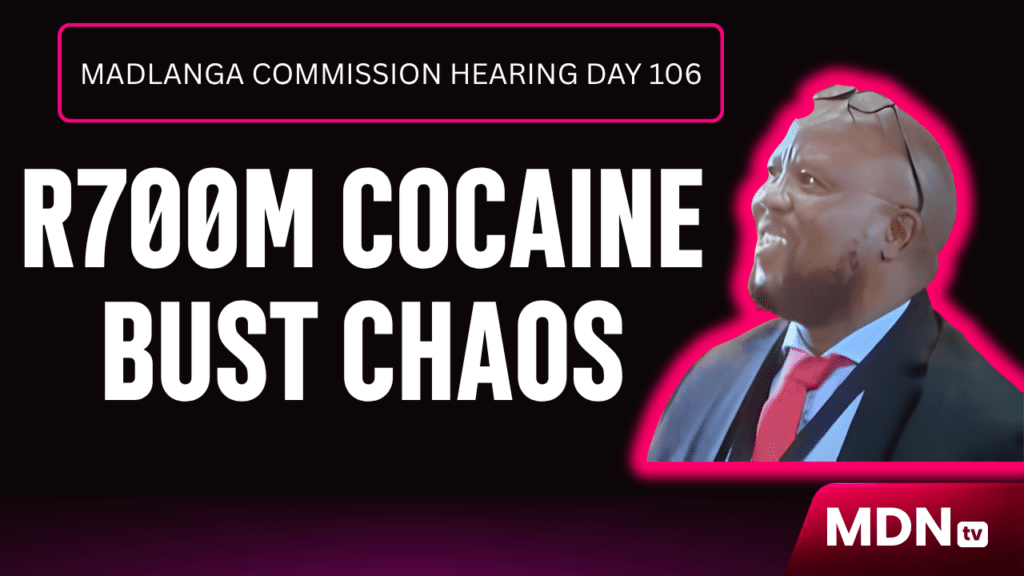
South Africa’s highly anticipated Madlanga Commission officially began on 17 September 2025, marking the start of what could become one of the country’s most consequential public inquiries in recent years. On Day 106, the inquiry shifted its forensic lens to a winter morning in July 2021, when a R700 million cocaine bust in Aeroton descended into a chaotic standoff between rival police units. What emerged in the testimony of Warrant Officer Marumo Joseph Magane was not a story of heroic law enforcement, but a cinematic narrative of procedural collapse, shadowy informants, and a “stuff-up” so severe it bordered on the criminal.
The Analyst in the Crosshairs
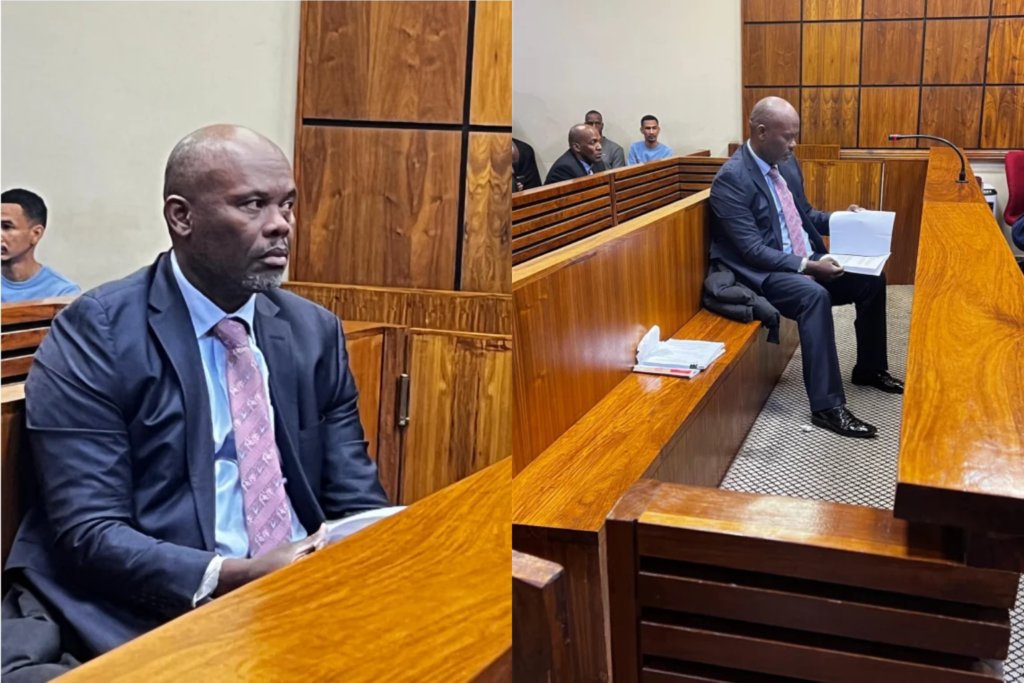
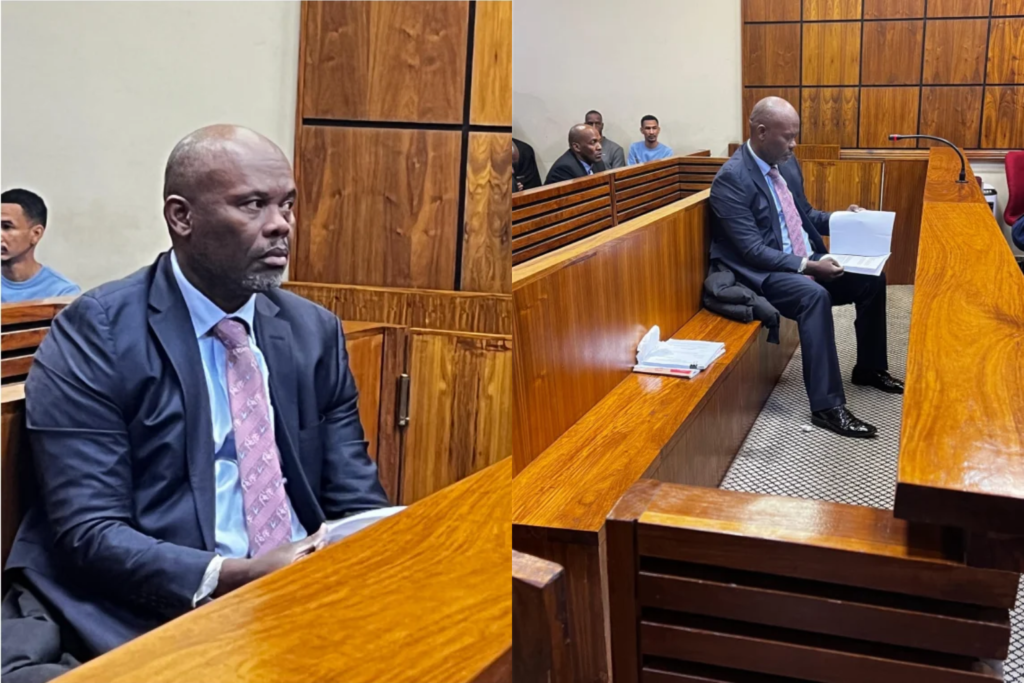
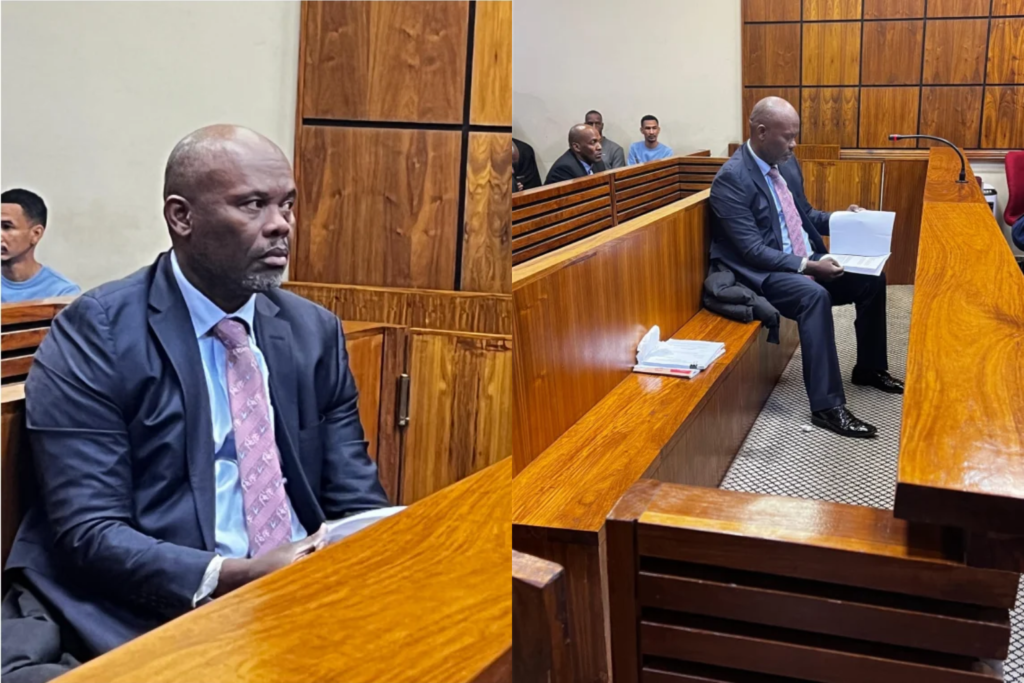
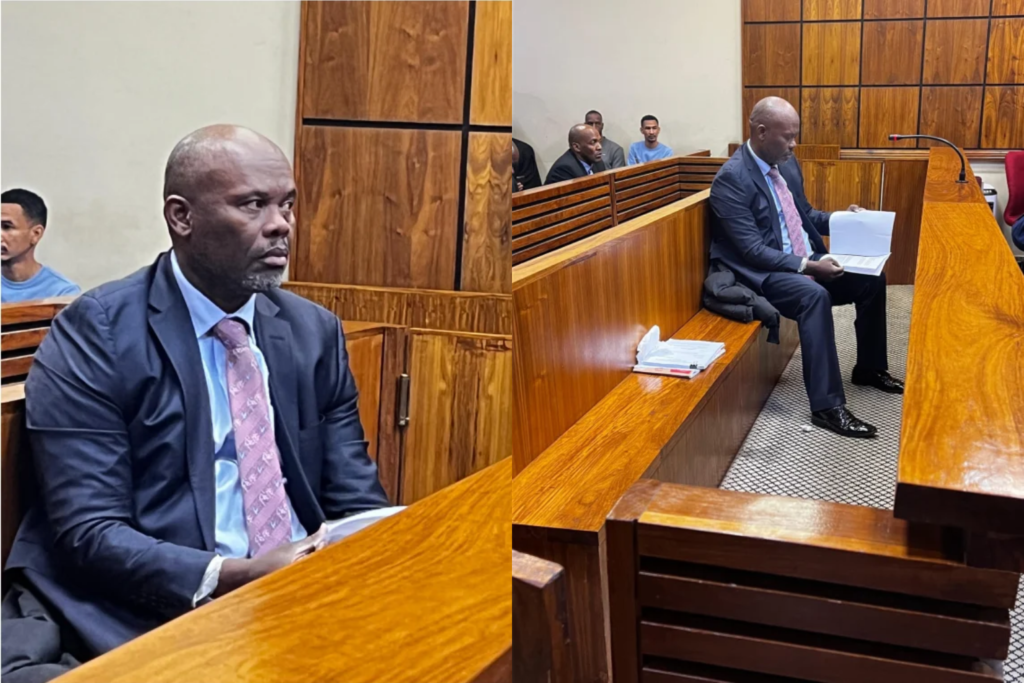
The tension in the Brigitte Mabandla Justice College was almost physical as Warrant Officer Magane took his seat. Magane is not a narcotics expert. By his own admission, he is an office-bound analyst for the Crime Information Management Analysis Centre (CIMAC), responsible primarily for quarter-to-quarter crime statistics. Yet, on 9 July 2021, this statistics officer found himself at the heart of one of South Africa’s largest drug seizures.
The Commission heard how a call from a “mere acquaintance,” Gauteng Traffic Police Chief Samuel Mashaba, pulled Magane from his desk into a high-stakes operation. Mashaba allegedly had a tip-off about a truck from Brazil carrying a massive consignment of cocaine. Without specialized backup, without a search warrant, and without notifying his superiors of the magnitude of the risk, Magane joined Mashaba and a mysterious informant at a warehouse in Aeroton.
A Forensic Nightmare: The “Stuff-Up”
The drama intensified as evidence leaders dismantled Magane’s version of the “successful” operation. The scene described by witnesses and depicted in photos was a forensic nightmare. Magane admitted that the container’s seal was broken and the doors opened without any prior photographs being taken.
“The entire scene was a stuff-up, and there was no control whatsoever,” the evidence leaders quoted from a crime scene expert’s report. Magane, a seasoned officer, sat in stony silence as the Commission explored how he allowed warehouse staff and traffic officers to handle 23 bags of cocaine with bare hands. The contamination was absolute.
Even more shocking was the transport plan. Instead of securing the scene and waiting for the South African Narcotic Enhancement Bureau (SANEB) or the K9 unit, Magane and Mashaba loaded the R700 million haul into the back of an open, unmarked Nissan bakkie. It was a vehicle that Magane admitted could barely reach 60 kilometres per hour, leaving a fortune in narcotics exposed to the Johannesburg winter and any potential syndicate ambush.
The Shadowy Informant and the BMW 7-Series
The inquiry took a darker turn with the introduction of Tumelo Nku, Mashaba’s informant. Nku did not just provide information: he followed the police to the scene in a brand-new charcoal BMW 7-Series that lacked number plates.
“Is it not unusual for an informant to walk around with R60,000 in cash?” Commissioner Khumalo asked pointedly. The money was found in Nku’s car at the scene, along with the informant himself, who remained parked just metres from the drug-laden bakkie. Magane claimed he was “innocently” offering assistance, but the Commissioners were not convinced. They questioned why an informant was allowed to witness the entire operation, exposing his identity and potentially the safety of the drugs themselves.
“A Battle of the Generals”
The quiet of the Aeroton warehouse was shattered that morning by the arrival of Major General Feroz Khan of Crime Intelligence. Magane’s testimony described a scene of explosive conflict. Khan reportedly arrived and immediately branded Magane and his team as “Tsotsi police,” ordering them to stop the operation.
In a moment of extreme tension, Khan disarmed Chief Mashaba of his service firearm. Magane was ordered to sit in his bakkie for two hours in the sun, being photographed “as if I am a suspect,” while the rival units bickered over who truly owned the scene. Shortly thereafter, the “hero” of the bust was himself arrested by the Hawks and hauled off to Booysens Police Station.
The “Alberton” Lie: A Sinister Motive?
Perhaps the most damaging revelation of Day 106 was the “Alberton” deception. When Booysens police officers arrived at the scene, Magane told them he was taking the drugs to Alberton because “the scene started in that area”.
However, the drugs were found in Aeroton, which falls under the Booysens jurisdiction. Magane was forced to admit that he had no intention of going to Alberton and was merely “pulling their legs”. The Commissioners were unconvinced by this casual explanation. They put it to Magane that he and Mashaba intended to intercept the drugs and deliver them to an unknown recipient, using his SAPS badge as a “cover” for a heist.
“I was in a blind spot,” Magane pleaded, maintaining his innocence and insisting he was merely a victim of a “trap”.
Why South Africans Should Care
The proceedings of Day 106 are a chilling reminder of the fragility of the South African justice system. When an office analyst and a traffic chief can seize R700 million in narcotics, ignore every forensic protocol, and end up in a gun-drawn standoff with a Major General, it points to a systemic rot.
If the police cannot manage a crime scene without rival units arresting each other, what hope is there for successful prosecutions? The R700 million cocaine haul remains a symbol of the massive stakes involved in the battle for control over South Africa’s criminal justice machinery.
The Looming Storm
As the Commission adjourned, the air remained heavy with unanswered questions. The “Alberton” lie, the missing diary of WO Magane, and the R60,000 in the informant’s BMW point to a conspiracy that the Commission has only begun to peel back. Magane was excused, but his credibility remains in tatters. The nation now waits for the testimony of General Khan and Chief Mashaba. The “dirty war” within the SAPS is no longer hidden in the shadows: it is being broadcast to the world, and the fallout promises to be catastrophic for those involved.