SA INFLUENCERS URGED TO DISCLOSE POLITICAL SPONSORSHIP AHEAD OF 2026 LOCAL ELECTIONS
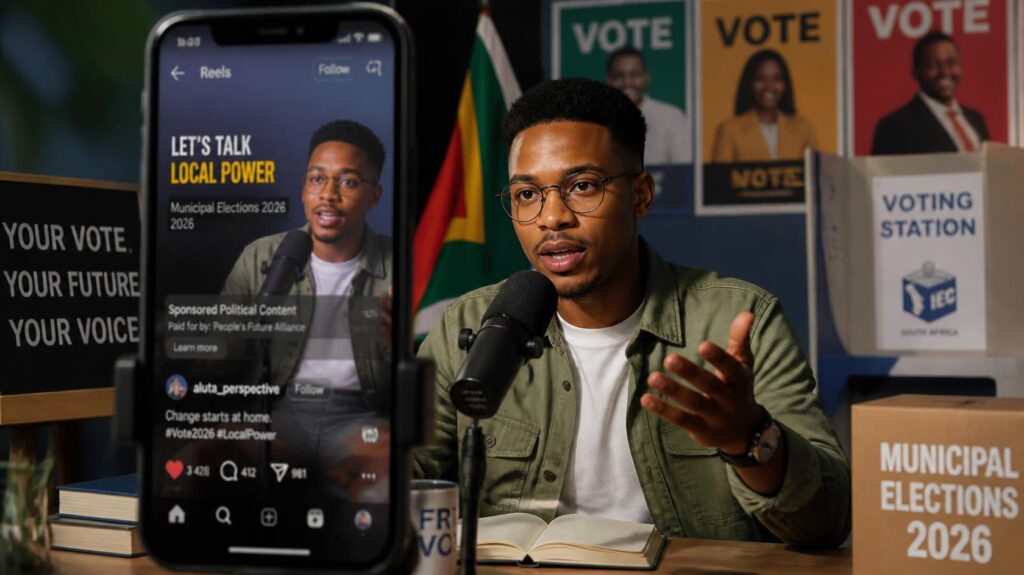
PRETORIA — South African influencers and digital creators are being urged to clearly disclose when political content is sponsored or supported by parties and other political actors as concerns grow about the role of social media in the 2026 Local Government Elections.
The call emerged from the National Influencer Code Summit held in Pretoria on Thursday, 13 August 2026.
The gathering brought together digital creators, young people, political and democratic institutions, civil society, academics and media to discuss the growing influence of online personalities on voters.
Organisers say influencers should not be told which political views they are allowed to hold.
Instead, the proposed ethical approach centres on accuracy and transparency.
Viwe Mtshontshi, speaking on behalf of former Deputy President Phumzile Mlambo-Ngcuka, said citizens should be able to identify when content has been sponsored, commissioned or supported by a political actor.
Paid post or personal opinion?
The issue is becoming increasingly important as voters, particularly younger South Africans, consume political information through social-media feeds rather than traditional news channels.
Creators can reach audiences that political parties, government institutions and traditional media may struggle to reach directly.
But that influence also creates a risk that paid political messaging can appear to audiences as independent personal opinion.
The summit is therefore examining misinformation and disinformation, electoral integrity, online safety, public trust and responsible influence ahead of the municipal elections.
Accuracy also under scrutiny
The proposed standards extend beyond sponsorship disclosure.
Creators are also being encouraged to verify election-related information and distinguish between fact, opinion and speculation before publishing material to their audiences.
That could become increasingly significant as political parties expand digital campaigns and use influencers to reach targeted audiences.
Why this matters
Political advertising in the creator economy can be less obvious than conventional campaign advertising.
A television advert is generally recognisable as an advert.
A political message delivered by a trusted influencer in an ordinary video or post may not be.
The transparency debate therefore raises a simple question for voters:
Who paid for the political message appearing in your social-media feed?
The National Influencer Code Summit is pushing for disclosure to become part of ethical digital participation in the election.
For media organisations and creators, the development also creates pressure to clearly separate journalism, personal political commentary and paid campaign material.
MDNtv will track whether the proposed influencer standards become a formal code and whether political parties, platforms or election authorities adopt enforceable disclosure requirements.
- 2026 Local Government Elections, election disinformation, election misinformation, electoral integrity, influencer code summit, influencer marketing, National Influencer Code Summit, political advertising, political content disclosure, political influencers South Africa, political sponsorship, social media elections South Africa, South Africa elections 2026, south african elections, South African influencers