MP Calls for South Africa to Fast-Track Reparations Push Against Britain and the Netherlands
By Thuto Mashaba
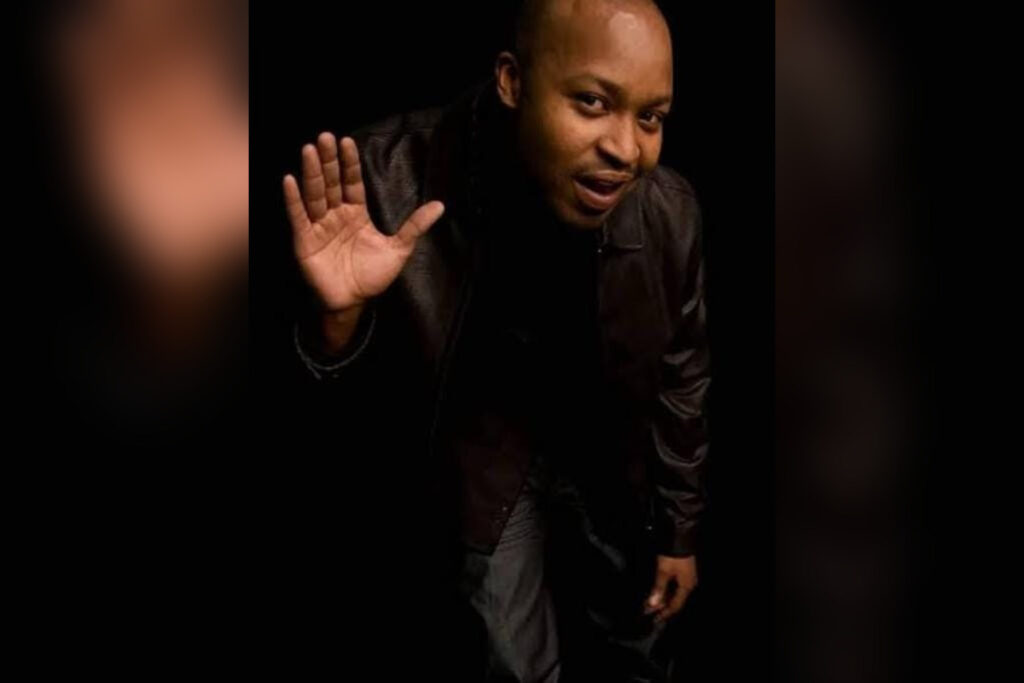
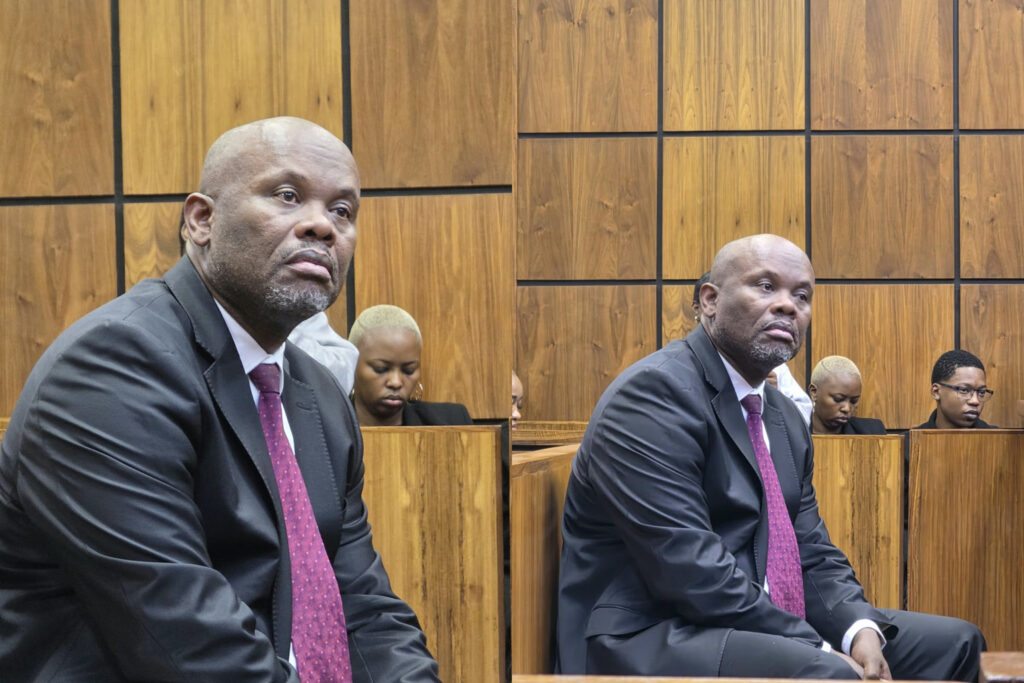
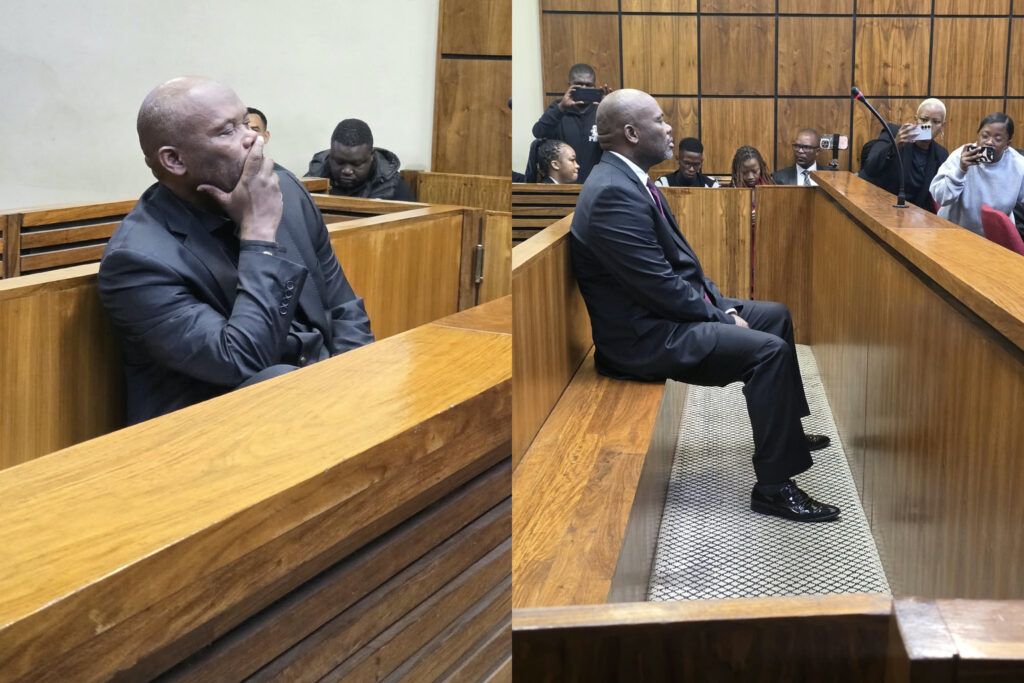
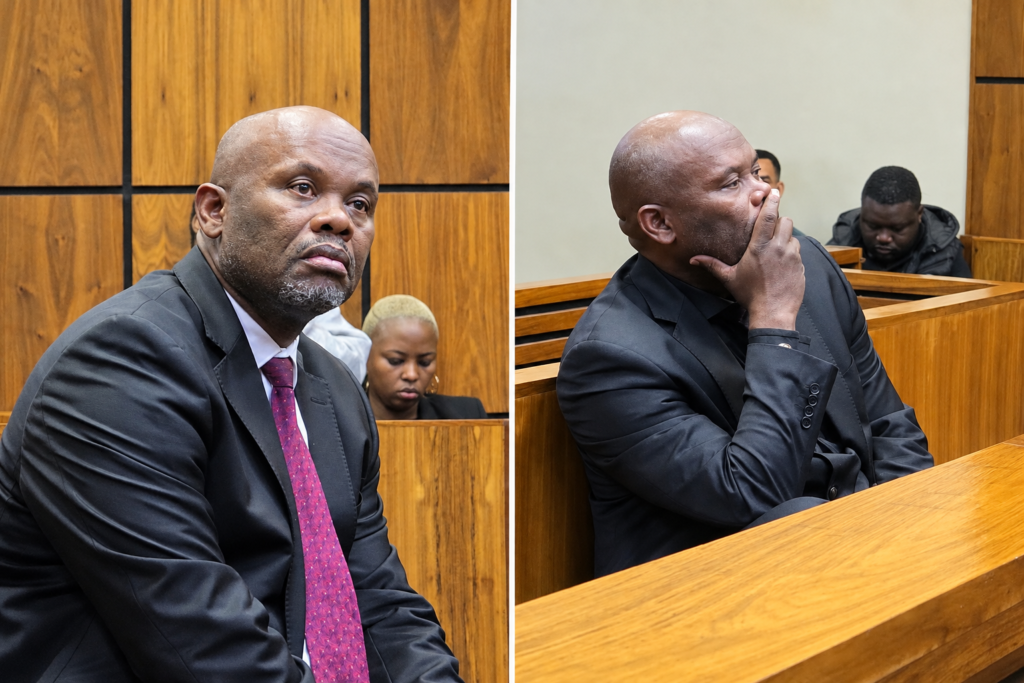
Umkhonto Wesizwe Party Member of Parliament Zwelakhe Mthethwa has called on the South African government to intensify efforts to secure reparations from Britain and the Netherlands for the lasting damage caused by slavery, colonialism and apartheid.
Mthethwa raised the matter in Parliament, directing questions to the Minister of International Relations and Cooperation, Ronald Lamola, on whether there were clear timelines for Britain and the Netherlands to make reparations payments to South Africa.
“Given that this decade has been declared a decade for reparations on the African continent, by what dates will the British and Dutch authorities make payments for the damage they caused in the Republic, by destroying and killing indigenous leaders, our heritage and the plunder of mineral resources?” Mthethwa asked.
The question comes amid renewed international debate on reparations, following remarks by Reform UK leader Nigel Farage, who reportedly suggested that African countries should choose between visa access and pursuing reparations claims against Britain.
Farage’s remarks have sparked criticism across the continent, with many arguing that nations which benefited from slavery and colonial exploitation must confront the historical and economic consequences of those systems.
In response, Minister Lamola told Parliament that South Africa recognises the African Union’s declaration of the current period as the Decade for Reparations. He said this reflects a collective continental commitment to addressing the long-term effects of slavery, colonialism and other historical injustices.
However, Lamola confirmed that there are currently no agreed dates for either the British or Dutch authorities to make reparations payments to South Africa.
“At present, there are no agreed dates by which either the British or Dutch authorities will make reparations payments to South Africa. Neither government has entered into formal bilateral negotiations with South Africa establishing timelines, modalities or frameworks for reparations related to colonial-era damages,” Lamola said.
He added that South Africa continues to advance the reparations agenda through multilateral and collective African processes, including the African Union common position and engagements within the United Nations system.
According to Lamola, government policy focuses on acknowledgement of historical injustices, restorative justice and equitable international partnerships, pursued in line with South Africa’s constitutional values, international law and multilateral cooperation.
He further stated that Parliament would be informed should formal negotiations on reparations with former colonial powers begin, including any timelines or compensation mechanisms.
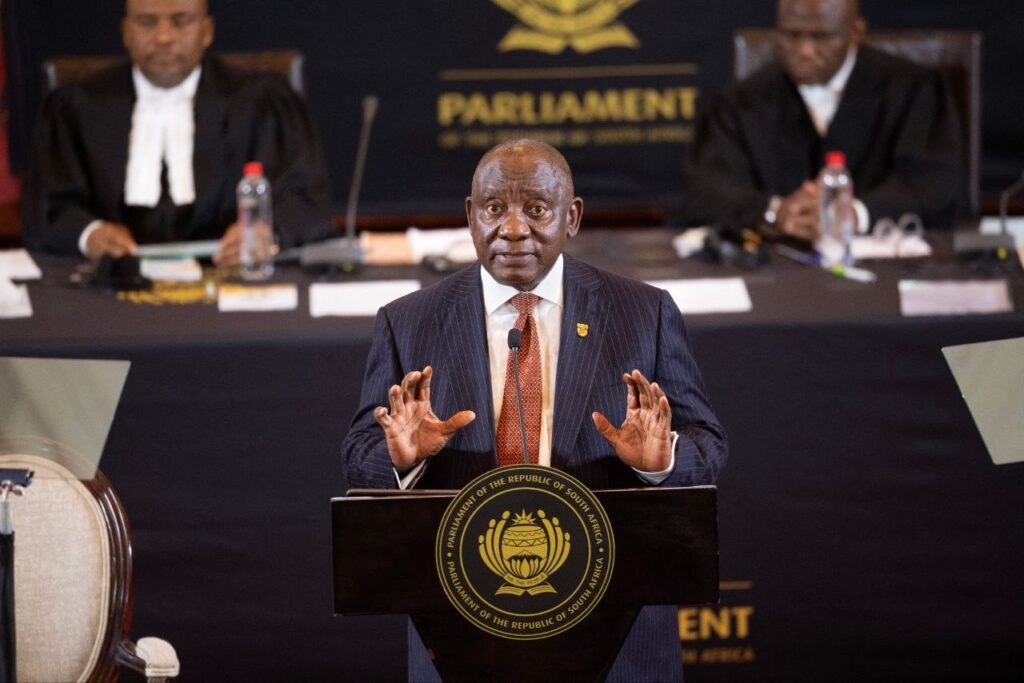
President Cyril Ramaphosa has also expressed support for a unified continental approach to reparations. Ahead of his expected meeting with French President Emmanuel Macron in Paris on 9 July, Ramaphosa is expected to reiterate South Africa’s position that former colonial powers must confront historical injustices honestly and commit to tangible measures that contribute to Africa’s development.
Ramaphosa has previously described the impact of slavery as a form of “social violence” with long-lasting effects on African societies.
The reparations debate has gained renewed momentum following a recent United Nations General Assembly resolution recognising the trafficking and enslavement of Africans as among the gravest crimes against humanity. The resolution calls for acknowledgement of harm, restitution, and the return of looted cultural property.
The issue was also discussed at the Next Steps High-Level Consultative Conference on Reparatory Justice, held in Accra, Ghana, in June 2026. The conference focused on implementing international commitments around reparatory justice and the recognition of the transatlantic trafficking of enslaved Africans as a crime against humanity.
Several former colonial powers have acknowledged aspects of their historical role. The Netherlands has previously issued formal apologies through former Prime Minister Mark Rutte in 2022 and King Willem-Alexander in 2023 for the country’s involvement in slavery and the slave trade.
At the Accra conference, representatives of the Netherlands and Germany also presented catalogues of cultural items believed to have been taken unlawfully during the colonial period, indicating readiness to return some of them.
However, no former colonial power has formally committed to paying slavery reparations to South Africa.
The Netherlands controlled the Cape Colony from 1652 under the Dutch East India Company until British occupation began. Britain occupied the Cape from 1795 to 1803 and later took permanent control from 1806 until the formation of the Union of South Africa in 1910.
Supporters of reparations argue that European colonial powers, as well as banks, merchant houses, insurance companies, and religious institutions that benefited from slavery and colonial exploitation, must be held accountable.
Over four centuries, an estimated 12.5 million enslaved Africans were shipped across the Atlantic and sold for forced labour.
For Mthethwa and other MPs pushing the issue, the next step is for African parliaments to strengthen legal and diplomatic mechanisms that will allow countries to formally demand reparations from former colonial powers.
The matter now places pressure on South Africa to move beyond symbolic support for reparatory justice and help lead a coordinated African demand for accountability, restitution and restoration.