
Mopani Home Affairs offices crippled as one IT specialist serves entire district
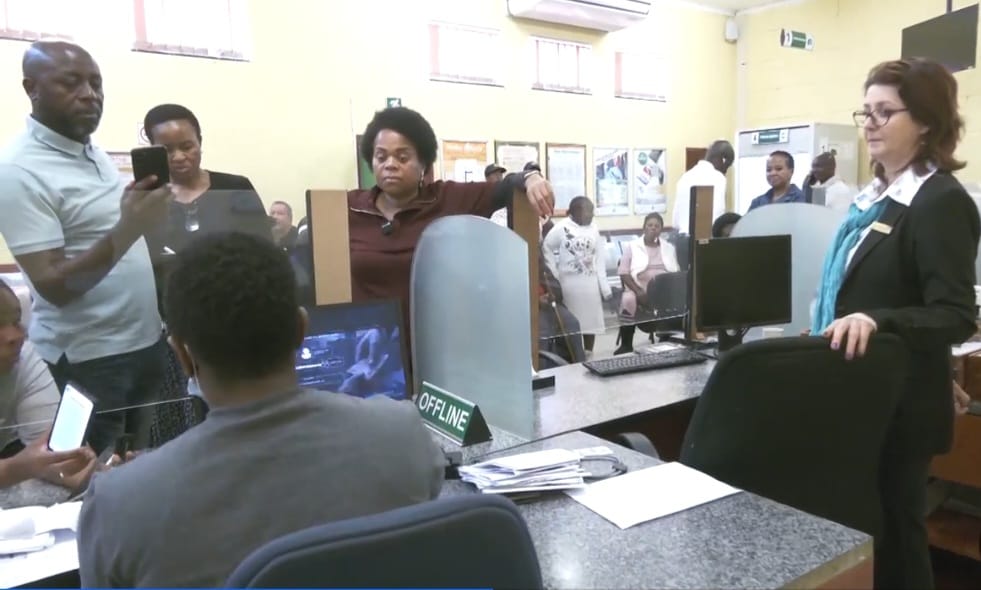
BA-PHALABORWA, LIMPOPO — Behind the counters of Home Affairs offices across the Mopani District, a quiet but critical breakdown in state capacity is unfolding. One information technology specialist is responsible for servicing the entire regional network, a constraint officials say is pushing already strained public services to the edge.
The disclosure emerged during a recent oversight visit by Limpopo Premier Phophi Ramathuba, who engaged directly with officials following mounting complaints from residents about long delays and disrupted service delivery.
What she heard inside the office painted a stark picture of systemic overload.
According to officials on the ground, every Home Affairs office in the Mopani District depends on a single IT technician to keep systems running. When technical faults occur, service queues stall, appointments collapse, and entire offices are forced into slow or partial operation.
The result, staff say, is predictable but unavoidable. On any given day, officials are attempting to assist an average of 25 people under conditions where basic digital systems are frequently stretched beyond capacity.
Residents, meanwhile, are bearing the consequences. Many reportedly queue for hours, only to leave without being assisted when systems fail or technical support cannot arrive in time.
“It becomes impossible to fast track services under such pressure,” one official explained during the engagement with the Premier, underscoring how fragile the current setup has become.
The visit forms part of a broader Five-Day Service Delivery Week programme linked to the District Development Model, which aims to assess governance performance and improve coordination across spheres of government in the Ba-Phalaborwa Local Municipality and wider Mopani District.
The initiative brings together government departments alongside the private sector, civil society, organised labour, and traditional leadership structures in an attempt to strengthen planning, budgeting, and implementation.
But beneath the structured language of coordination and oversight lies a more urgent reality. Service delivery in key frontline departments is being tested by staffing shortages that appear increasingly unsustainable.
During the oversight programme, the Premier’s team is also expected to assess infrastructure constraints, financial management challenges, and broader governance weaknesses affecting municipal performance.
For many residents in Mopani, however, the issue is not policy frameworks or strategic models. It is the immediate experience of waiting in line, often for hours, with no certainty that the system will hold long enough to serve them.
As the province intensifies its oversight drive, the situation in Home Affairs offices raises a difficult question: how long can essential public services function when critical technical support rests on the shoulders of a single specialist?
For now, the answer is being written daily in queues that do not move and in offices that struggle to stay online.