IDAC Head Andrea Johnson Admits Legal and Procedural Errors at Madlanga Commission

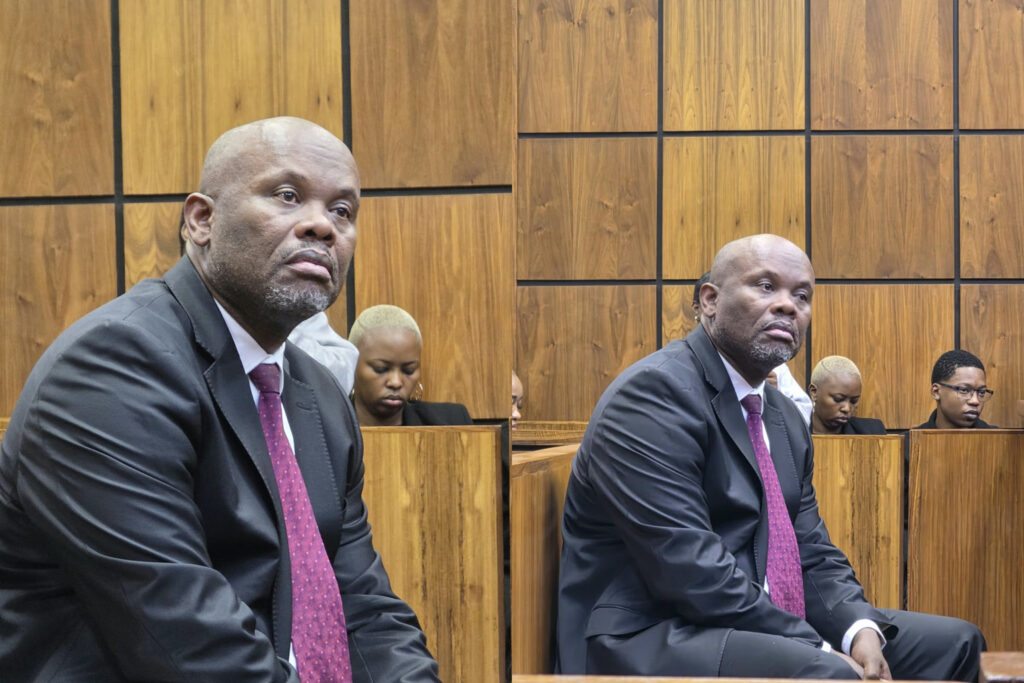
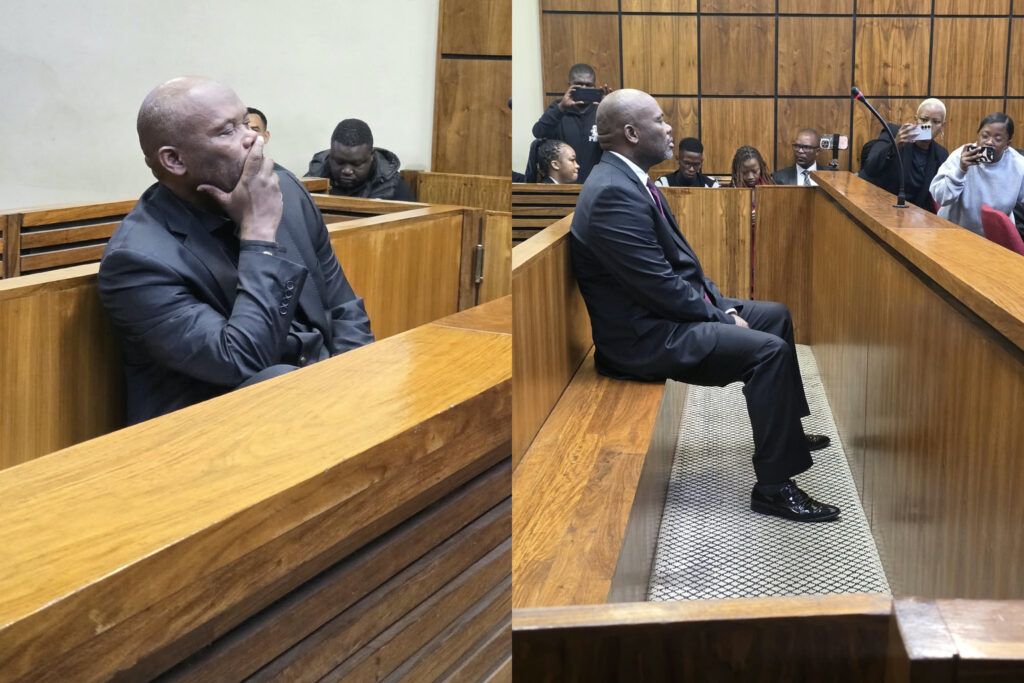
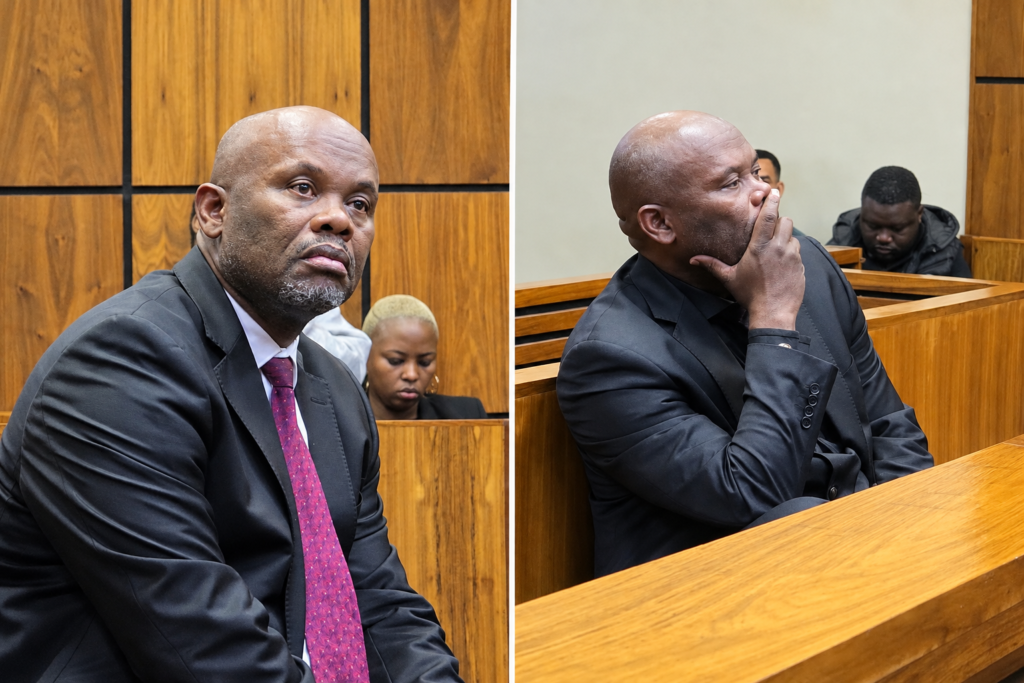
The credibility of Investigative Directorate Against Corruption (IDAC) head Advocate Andrea Johnson came under intense scrutiny at the Madlanga Commission of Inquiry after she conceded to a series of legal and procedural errors in the directorate’s investigation into Crime Intelligence officials.
Johnson returned to the witness stand amid sustained questioning from evidence leaders Advocate Mahlape Sello and Advocate Sandile Khumalo, with her testimony exposing contradictions over the evidence relied upon by IDAC, the treatment of individuals under investigation and her understanding of the legal threshold governing the directorate’s powers.
One of the most significant concessions concerned the use of a Section 28 inquiry, where Johnson acknowledged that nine people, including Brigadier Dineo Mokwele, should not have been subjected to the intrusive investigative process because the evidence available at the time did not justify their inclusion.
The admission marked a significant shift in Johnson’s earlier position and raised questions about the basis on which the investigation was conducted.
Johnson also apologised and withdrew her previous description of Mokwele’s appointment to Crime Intelligence as a “token appointment”.
Under questioning, Johnson admitted that she had not personally reviewed Mokwele’s qualifications or job application before making the claim. She also acknowledged that she had been unaware that Mokwele was studying towards an MBA.
Johnson told the Commission that her initial assessment had been based entirely on information supplied by members of her investigative team. She accepted that the information on which she relied was incorrect.
The concession followed questioning about why Johnson had characterised Mokwele’s appointment without first considering documentation relating to her qualifications and professional experience.
The exchange became one of several moments during the proceedings in which Johnson was forced to reconsider earlier statements made under oath.
Contradictions over Fadiel Adams complaint
Questions also emerged over IDAC’s dealings with Member of Parliament Fadiel Adams and whether the directorate had actively sought evidence from him.
Johnson had previously told the Commission that she was unaware Adams had lodged a complaint, creating the impression that IDAC had not approached him for an affidavit.
However, during further questioning, Johnson confirmed that the directorate had in fact specifically solicited a Section 27 affidavit from Adams.
The apparent contradiction added to mounting questions about the accuracy and consistency of Johnson’s evidence before the Commission.
Her testimony was also challenged over claims involving classified documents that she had previously said were pushed under a door.
Johnson had indicated that IDAC relied on the documents and that she possessed the top secret security clearance required to access them.
However, she later conceded that she had never actually seen the classified documents in question.
She further acknowledged that she had never held top secret clearance.
The admission placed another part of her earlier testimony under scrutiny and prompted further questions about the information she relied upon in carrying out her duties as head of IDAC.
Justice Madlanga challenges Johnson’s legal interpretation
The proceedings also turned to Johnson’s understanding of the legal mandate governing IDAC and the threshold that must be met before the directorate can exercise its investigative powers.
Commission chairperson Justice Mbuyiseli Madlanga challenged Johnson’s interpretation of the law, particularly her approach to determining whether an investigation should be initiated.
Justice Madlanga emphasised that the applicable legal test involves an objective standard based on what a reasonable person would conclude.
Under questioning, Johnson ultimately conceded that she had applied a subjective test instead.
She accepted that this amounted to a legal error.
The concession was among the most consequential moments of her testimony, as the Commission examined whether IDAC had properly applied the legal framework underpinning its investigation.
Testimony under growing scrutiny
Johnson’s appearance before the Madlanga Commission has placed the conduct of IDAC’s investigation under a spotlight, with the proceedings focusing not only on the directorate’s actions but also on the decision-making processes that informed them.
Her concessions regarding Brigadier Mokwele, the Section 28 inquiries, the Adams affidavit, the classified documents and the applicable legal test have raised questions about the reliability of some of the evidence and reasoning presented by IDAC.
The Commission’s questioning has also highlighted the importance of documentary evidence and proper legal processes when state investigative bodies exercise intrusive powers.
For Johnson, the testimony has been marked by a series of corrections and admissions, with several of her earlier assertions being challenged or revised under questioning.
As the Commission continues its work, the focus is likely to remain on the evidence presented, the decisions taken by IDAC and whether the directorate followed the correct legal and procedural standards in conducting its investigation.
The proceedings have placed the conduct of the investigation firmly under public scrutiny, with Johnson’s testimony emerging as a critical part of the Commission’s examination of the events at the centre of its inquiry.