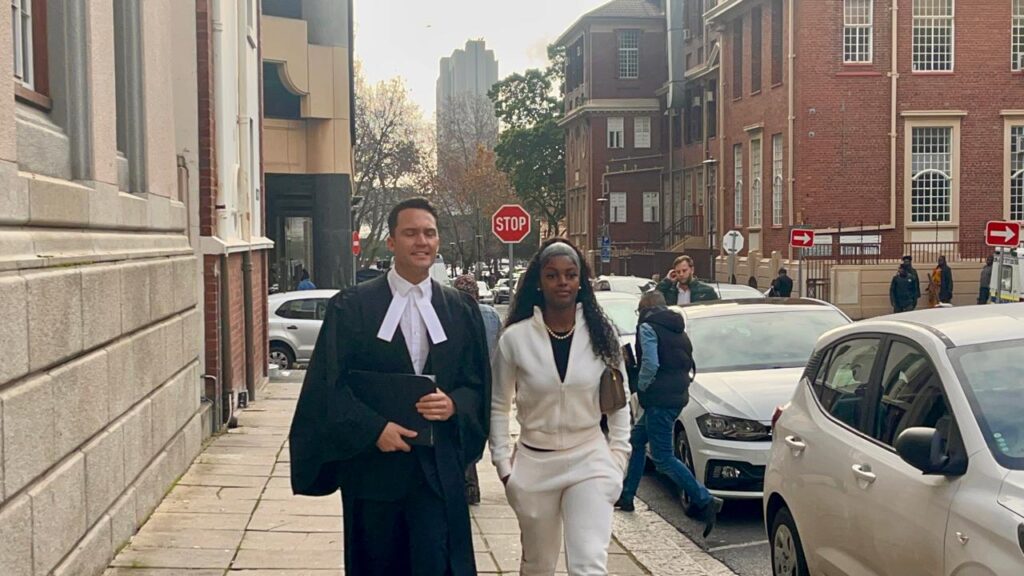
Home Affairs vs Chidimma Adetshina: Court Reserves Judgment in Deportation Battle Until 19 August
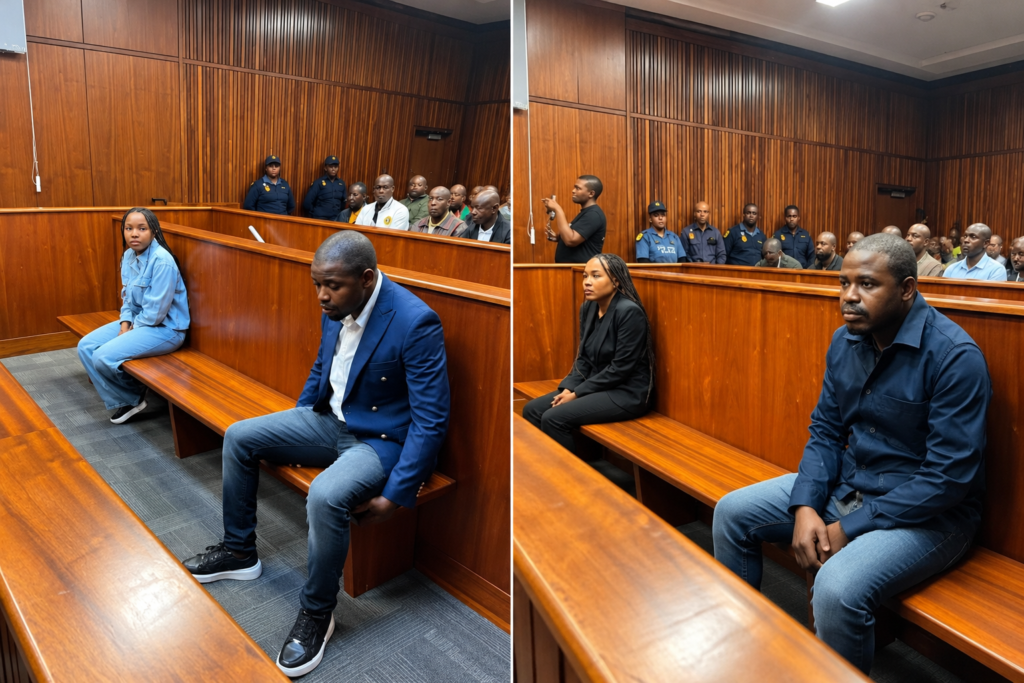
The courtroom fell silent as South Africa’s long running dispute over the identity and citizenship of former beauty queen Chidimma Adetshina entered another critical chapter on Monday. With her future hanging in the balance, the Department of Home Affairs and Adetshina’s legal team delivered sharply opposing versions of who she is and whether she has the legal right to remain in the country.
What unfolded in the Cape Town Regional Court was a tense legal confrontation that could have far reaching consequences for Adetshina, whose case has drawn widespread public attention and renewed debate around citizenship, immigration and identity.
Home Affairs argued that Adetshina is an illegal foreign national who has no valid South African documentation. The department asked the court to order her detention while deportation proceedings continue.
According to the department, Adetshina obtained Nigerian passports for both herself and her minor child before travelling to South Africa through Mozambique. Officials further alleged that she had previously applied for a South African visa while in Lagos, a claim they say supports their position that she is not legally entitled to remain in the country.
Adetshina’s legal team firmly rejected those allegations.
Her lawyers argued that she was born in South Africa and has no meaningful personal or social ties to Nigeria. They insisted she poses no flight risk and should not be detained while legal questions surrounding her citizenship remain unresolved.
The defence also told the court that Adetshina’s citizenship status is already the subject of a separate High Court challenge. They argued that Home Affairs reached its conclusions without carrying out a fair and thorough investigation into her personal circumstances before declaring her documentation invalid.
As both sides remained entrenched in their positions, the presiding magistrate urged the parties to find common ground and resolve the dispute without further court intervention. Despite the encouragement, no agreement was reached.
With no breakthrough achieved, the court reserved judgment on whether Adetshina should be detained while deportation proceedings continue.
That decision is now expected on 19 August, a date that could prove decisive in one of South Africa’s most closely watched immigration and citizenship disputes.
Until then, the legal battle remains unresolved, leaving Adetshina’s future uncertain as the courts continue to weigh competing claims over her identity, nationality and right to remain in South Africa.