DA Says South Africa Should Fix Home Affairs Instead of Challenging UK Over Visa Rules
CAPE TOWN | The Democratic Alliance (DA) says South Africa should focus on repairing its own Home Affairs system rather than criticising the United Kingdom’s tighter visa rules, even as questions continue over whether the measures coincide with growing calls for slavery reparations.
The party’s position follows MDNtv’s reports on the UK’s tougher visa measures affecting citizens from 33 African countries and complaints from South Africans who say obtaining British visas has become increasingly difficult.
The issue has also attracted political attention because the changes come at a time when African and Caribbean nations are intensifying calls for former colonial powers, including the United Kingdom, to engage on slavery reparations.
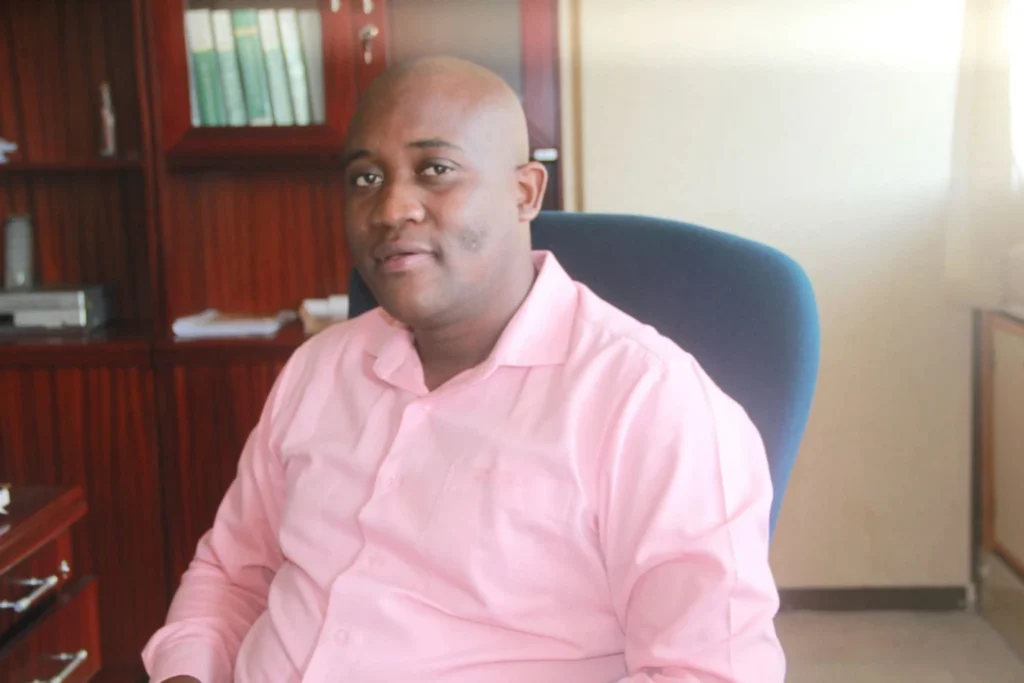
Asked whether South Africa should challenge Britain’s decision, DA spokesperson on International Relations and Cooperation Ryan Smith said the UK is entitled to determine its own immigration policies.
“The United Kingdom is well within its rights as a sovereign nation to determine its own migration policies, including stricter visa regulations for South African travellers,” Smith said.
He acknowledged that stricter visa requirements may inconvenience South Africans travelling for business, education and tourism, but argued that the underlying problem is South Africa’s own passport system.
“The bigger problem is domestic and regional issues affecting the strength of South Africa’s passport which only we can and must address,” he said.
The DA argues that South Africa should not blame foreign governments for tightening immigration controls while weaknesses remain within the country’s own identity management system.
According to Smith, fraud involving South Africa’s green barcoded identity books and weaknesses in border security have contributed to international concerns about the integrity of South African travel documents.
He said replacing green ID books with smart ID cards, strengthening border management and completing the digitisation of Home Affairs would help rebuild confidence in South African passports.
Smith also credited Home Affairs Minister Leon Schreiber with beginning reforms aimed at strengthening the national population register, expanding digital services and tackling fraud and corruption.
The DA believes those reforms could eventually improve South Africa’s passport ranking and support future negotiations for broader visa-free travel.
The party’s response differs from those who believe South Africa should push back against the UK’s immigration measures because of their timing amid renewed international debate over slavery reparations.
While critics argue the visa changes risk sending the wrong message to African nations pursuing historical justice, the DA maintains that South Africa’s priority should be fixing its own institutions rather than challenging Britain’s sovereign immigration decisions.
- border security, DA, Democratic Alliance, Gavaza partner content, Home Affairs South Africa, Leon Schreiber, partner content, Ryan Smith DA, smart ID cards, south africa travel, South Africa UK visas, South African passport, South African travellers, UK immigration policy, UK visa rules, visa restrictions