Tinubu Takes South Africa Xenophobia Concerns to African Union, Demands Continental Action
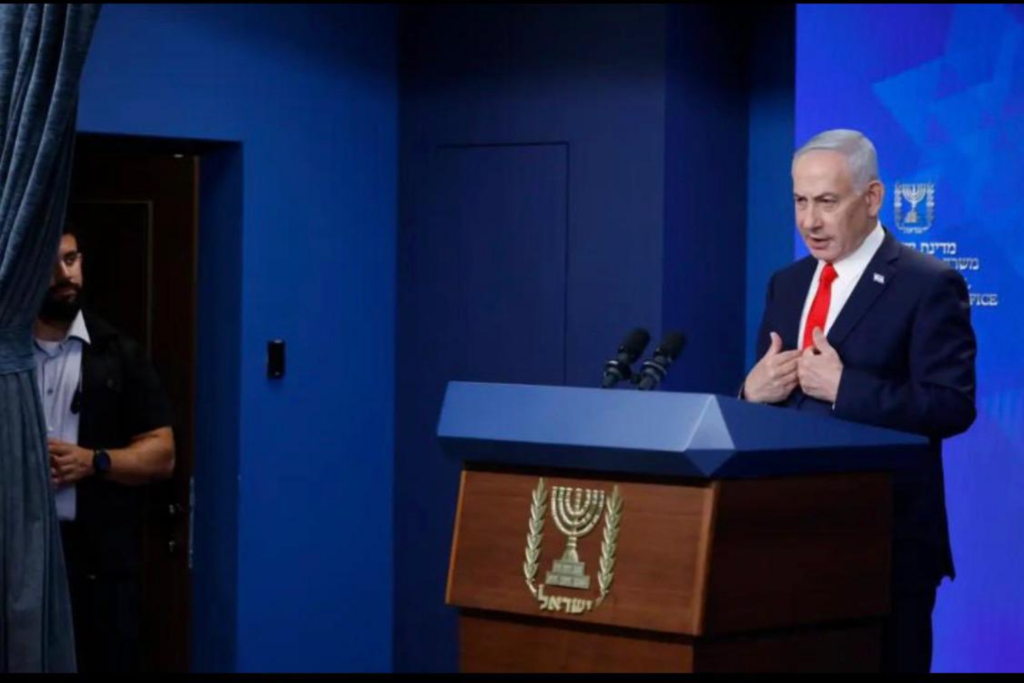
Nigeria has formally taken its concerns over recurring xenophobic and Afrophobic attacks in South Africa to the African Union, with President Bola Tinubu calling for the issue to be placed before African heads of state and warning that attacks against African nationals threaten continental unity and peaceful coexistence.
LUANDA/PRETORIA/ABUJA, 31 August 2026 — Nigerian President Bola Tinubu has escalated concerns over xenophobia and Afrophobia in South Africa to the African Union, calling for collective continental action and asking African leaders to formally consider the issue at their next ordinary summit.
Nigeria presented its position during the African Union’s 21st Extraordinary Session of the Assembly in Luanda, Angola, on Sunday.
Tinubu was represented by Vice President Kashim Shettima, who delivered the Nigerian government’s message to African leaders.
Nigeria said it was concerned about what it described as recurring attacks against Africans and other foreign nationals in South Africa.
Tinubu warned that such attacks undermine African solidarity, unity and peaceful coexistence and therefore require collective attention from the continent’s leadership.
Nigeria Wants South Africa Issue Put on AU Agenda
The most consequential part of Nigeria’s intervention is its request for the issue to move onto the African Union’s formal agenda.
Tinubu asked the AU Assembly to place the matter before its 40th Ordinary Session scheduled for January 2027.
That could potentially bring South Africa’s handling of xenophobia and Afrophobia before presidents and heads of government from across the continent.
Nigeria called for what it described as appropriate continental consideration and action.
The intervention therefore moves the controversy beyond statements exchanged between Pretoria and Abuja.
Nigeria is now asking Africa’s principal intergovernmental body to consider it.
Tinubu Acknowledges South Africa’s Right to Enforce Immigration Laws
Nigeria’s position contains an important distinction.
Tinubu explicitly recognised South Africa’s sovereign right to enforce its immigration laws.
He also acknowledged South Africa’s contributions to the African continent.
Nigeria is therefore not arguing that South Africa should abandon immigration enforcement.
Its argument is that lawful enforcement must be distinguished from violence, intimidation or hostility directed at African nationals.
That distinction is especially significant in South Africa, where immigration has become one of the country’s most politically sensitive issues.
Immigration Debate Intensifies in South Africa
South Africa has experienced growing public debate over undocumented immigration, pressure on public services and the enforcement of immigration laws.
Civil society organisations, political movements and community groups have taken sharply different positions.
Some groups argue that the government has failed to enforce immigration laws adequately.
Others warn that legitimate concerns over immigration are increasingly being accompanied by Afrophobic rhetoric and actions targeting foreign Africans.
Nigeria’s decision to intervene at the AU introduces a significant diplomatic dimension to that domestic debate.
Abuja Calls for Protection of African Nationals
Tinubu called on African governments to reaffirm their commitment to protecting the safety, dignity and rights of Africans living outside their countries of origin.
Nigeria argued that attacks against foreign Africans cannot simply be viewed as isolated domestic incidents when they undermine relations between African countries.
The Nigerian president called for dialogue, preventive diplomacy and collective action against xenophobia and Afrophobia.
Why Nigeria’s Intervention Matters
Nigeria and South Africa are two of the continent’s most influential countries.
Both are members of the G20.
Both exercise substantial diplomatic influence across Africa.
Their relationship has also experienced periods of tension.
Violence against Nigerians and other African immigrants in South Africa has repeatedly generated anger in Nigeria.
Previous outbreaks have resulted in diplomatic protests and retaliatory demonstrations.
Moving the issue to the African Union therefore carries considerably more political weight than another public statement from Abuja.
Tinubu Also Warns About Foreign Military Forces in Africa
Nigeria’s intervention extended beyond South Africa.
Tinubu used the extraordinary AU summit to warn about the increasing involvement of foreign military forces, mercenaries and private defence contractors in African conflicts.
He argued that growing dependence on external actors risks weakening African institutions and undermining the principle that Africans should take ownership of the continent’s peace and security architecture.
The comments are particularly notable amid rapidly expanding Russian military involvement in parts of the Sahel.
Russia’s Africa Corps has just assisted Niger’s military government in suppressing a major mutiny by disaffected soldiers in Niamey.
Nigeria Backs Luanda Action Plan
Nigeria also backed adoption of the Luanda Action Plan as a framework for strengthening conflict prevention.
Tinubu argued that preventing conflicts is more sustainable and less costly than attempting to resolve them after violence has erupted.
Nigeria further called for predictable financing for African Union peace operations and implementation of United Nations Security Council Resolution 2719, which provides a framework for UN financing of eligible AU-led peace-support operations.
Nigeria Raises Arms Trafficking Concern
Tinubu also called on countries that manufacture and export weapons to work more closely with African governments.
Nigeria wants stronger measures preventing weapons and ammunition from reaching terrorists and other armed non-state organisations.
The appeal reflects Nigeria’s own longstanding battle against insurgents, bandits and other armed organisations.
Tinubu argued that Africa already possesses institutions capable of preventing and resolving conflicts but said mistrust and inconsistent implementation continue to weaken them.
What Happens Next?
Nigeria’s immediate request does not itself mean that the African Union has sanctioned South Africa or made any finding against the country.
That distinction is important.
Abuja has asked for the issue to be placed on the agenda of the AU’s 40th Ordinary Session in January 2027.
The AU would then determine how the matter is handled.
South Africa would also have an opportunity to present its position.
There is currently no basis for reporting that the African Union has ruled against South Africa.
Pretoria’s Response Will Be Critical
Attention will now turn to the South African government.
Pretoria will have to decide whether to respond publicly to Nigeria’s intervention and how it addresses Abuja’s allegations.
The two countries have substantial political, diplomatic and economic ties.
An escalating public dispute would therefore have consequences beyond immigration.
South African companies have significant commercial interests in Nigeria, while Nigerians constitute an important African migrant community in South Africa.
Both governments have historically attempted to prevent disputes over xenophobia from causing lasting damage to bilateral relations.
What Is Verified
President Bola Tinubu formally raised Nigeria’s concerns about recurring xenophobic and Afrophobic attacks in South Africa at the African Union’s 21st Extraordinary Session in Luanda on 30 August 2026.
Vice President Kashim Shettima delivered the message on Tinubu’s behalf.
Nigeria asked the AU to place the issue on the agenda of the 40th Ordinary Session of the Assembly in January 2027.
Tinubu acknowledged South Africa’s sovereign right to enforce its immigration laws while arguing that attacks against African nationals undermine continental solidarity and require collective attention.
The African Union has not at this stage made a finding against South Africa.
Why This Matters
South Africa’s increasingly heated immigration debate has now acquired a significant continental diplomatic dimension.
Nigeria is not merely criticising Pretoria from Abuja.
Africa’s most populous country has taken its concerns directly to the African Union and wants presidents from across the continent to formally consider the issue.
For South Africa, that creates both a diplomatic challenge and an opportunity to explain how it intends to enforce immigration laws while protecting foreign nationals from unlawful violence or intimidation.
For Nigeria, the message is equally clear: Abuja wants the safety and dignity of Nigerians and other Africans living elsewhere on the continent treated as an African Union issue.
The next major development will be Pretoria’s response and whether the African Union agrees to formally place Nigeria’s complaint before African leaders in January.
- African Nationals, african politics, african union, African Union Summit, afrophobia, AU, Bola Tinubu, immigration laws, Kashim Shettima, Luanda, Nigeria, Nigeria Politics, Nigeria South Africa Relations, South Africa, south africa politics, South African Immigration, Tinubu South Africa, xenophobia, xenophobic attacks