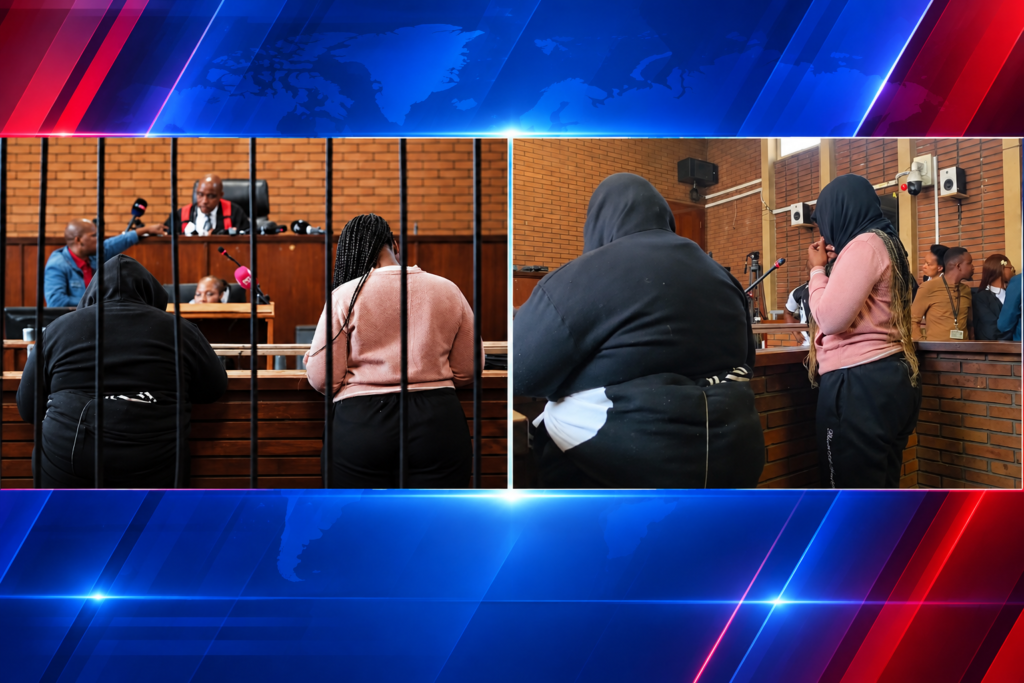
Johannesburg High Court Orders R326 Million Asset Forfeiture in Tembisa Hospital Corruption Case

A sprawling luxury mansion overlooking the Atlantic Ocean, Lamborghinis, a Bentley, exclusive Sandton properties and a boat have all become the latest casualties in one of South Africa’s most notorious public health corruption investigations.
In a landmark ruling on Monday, the Johannesburg High Court ordered the final forfeiture of assets worth approximately R326 million, marking a major victory for the National Prosecuting Authority’s Asset Forfeiture Unit (AFU) in its pursuit of those accused of looting Gauteng’s healthcare system.
The assets belong to businessman Hangwani Maumela and several associates who are accused of benefiting from a sophisticated corruption network linked to fraudulent tenders at Tembisa Hospital.
According to the National Prosecuting Authority (NPA), the forfeited assets include an extravagant R88.57 million mansion in Bantry Bay, Cape Town, several high value properties in Sandton, luxury vehicles including Lamborghinis and a Bentley, as well as a boat.
Authorities allege the assets were acquired using proceeds from more than R400 million in fraudulent hospital tenders awarded between 2016 and 2022. Investigators believe money intended for essential medical supplies and healthcare services was instead diverted through an alleged criminal syndicate.
The ruling represents one of the most significant civil recoveries in South Africa’s continuing fight against corruption in the public healthcare sector.
Shadow of Babita Deokaran Still Looms Over the Case
The Tembisa Hospital scandal has remained deeply intertwined with the murder of Babita Deokaran, the Gauteng Department of Health’s chief accounting officer.
Deokaran was assassinated outside her Johannesburg home in August 2021 after raising concerns over suspicious procurement transactions linked to hospital contracts. Her death sent shockwaves across the country and became a powerful symbol of the dangers faced by whistleblowers exposing corruption.
Although investigations into her murder and the alleged corruption network continue separately, the case remains a painful reminder of the human cost of exposing wrongdoing.
NPA Hails Major Victory Against Corruption
The NPA described the forfeiture order as a significant step towards dismantling organised corruption networks and recovering money that should have benefited South Africans.
Officials said the recovered assets will ultimately be redirected to support Gauteng’s public health services, helping restore funds that investigators believe were unlawfully diverted from hospitals and patients.
The forfeiture also reinforces the powers available to the AFU to seize assets believed to have been acquired through criminal activity, even while related criminal proceedings continue.
Criminal Cases Still Await Conclusion
Despite the substantial civil victory, questions remain over the pace of criminal prosecutions involving Maumela and other individuals implicated in the investigation.
The Special Investigating Unit (SIU) had previously secured preservation orders targeting even larger amounts allegedly linked to the same corruption network, highlighting the scale of the suspected fraud.
The criminal proceedings are expected to continue as investigators work to hold those allegedly responsible accountable.
A Defining Test in South Africa’s Fight Against State Corruption
The Johannesburg High Court’s ruling sends another strong signal that authorities remain determined to recover public money lost through corruption and tender fraud.
For many South Africans, however, the case represents far more than luxury homes and expensive vehicles. It reflects the devastating impact that corruption can have on hospitals already struggling to provide healthcare, while also serving as a lasting reminder of the sacrifice made by whistleblowers who risk everything to expose the truth.
As investigations continue, the forfeiture of R326 million in assets marks a significant milestone, but many will be watching closely to see whether criminal accountability follows.