
UK Tightens Visa Rules for 33 African Countries Amid Slavery Reparations Row
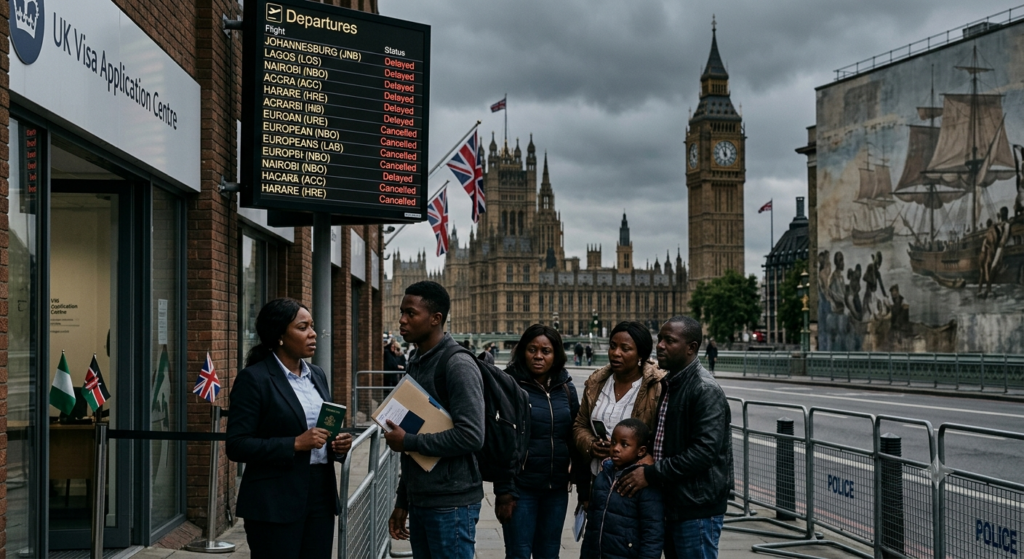
LONDON — A fresh diplomatic storm is brewing after the United Kingdom introduced tougher visa measures affecting citizens from 33 African countries, a move that critics say comes at a time when calls for slavery reparations are gaining unprecedented momentum across Africa and the Caribbean.
The updated visa measures have reignited a fierce global debate, with many observers arguing that the timing is far from coincidental.
The controversy follows growing international pressure on Britain to address its historic role in the transatlantic slave trade. Calls for reparations have intensified in recent months, particularly after African and Caribbean leaders strengthened their campaign during high-level meetings focused on historical justice.
The UK government says the revised visa requirements form part of ongoing efforts to strengthen border management, improve immigration controls and ensure compliance with existing immigration laws. However, analysts and campaigners have questioned whether the changes are instead a political response to mounting demands for reparations.
The debate escalated after former UK Home Secretary Suella Braverman, now a member of the right-wing Reform UK party, argued that the British Empire had brought significant benefits to many former colonies and suggested that those nations should instead repay Britain for its historical investment. Her remarks triggered widespread criticism across Africa and the Caribbean.
Reparations advocates point to historical research estimating that Britain could owe trillions of dollars for its role in the transatlantic slave trade. They argue that colonial systems extracted wealth, labour and natural resources from African societies while leaving long-lasting economic and social consequences that remain visible today.
Among the countries affected by the UK’s revised visa requirements are South Africa, Ghana, Nigeria, Kenya, Botswana, Zimbabwe, Namibia, Tanzania, Uganda, Rwanda, Malawi, Lesotho, Eswatini, Ethiopia, Sudan, South Sudan, Cameroon, Algeria, Angola, Egypt, Libya, Sierra Leone, Senegal, Liberia, Guinea, Guinea-Bissau, Côte d’Ivoire, The Gambia, Somalia, Burundi, the Republic of the Congo and the Democratic Republic of the Congo.
The issue has gained further attention following the Next Steps Conference in Accra, Ghana, where leaders and activists adopted a new reparations manifesto calling for financial compensation and broader restorative justice measures linked to the legacy of slavery and colonialism.
Barbados Prime Minister Mia Mottley rejected suggestions that former colonies owe Britain anything for its colonial past, arguing that Caribbean nations are seeking justice rather than charity.
“The Caribbean does not owe Britain for slavery, for colonial extraction, or for laws that treated African people as chattel. We are not asking for charity. We are asking for justice.”
Campaigners also note that after slavery was abolished, Britain compensated slave owners for the loss of enslaved people while those who had been enslaved received no compensation. Historical records cited in the debate indicate that British taxpayers continued servicing loans used to compensate slave owners until 2015.
The developments have once again placed Britain’s colonial legacy under the international spotlight, with governments, historians and civil society organisations increasingly calling for accountability, acknowledgement and meaningful dialogue over one of history’s darkest chapters.
As demands for reparations continue to gather momentum, Britain’s latest visa policy is likely to fuel even greater diplomatic tension between London and many African and Caribbean nations in the months ahead.