March and March leader dies after Ekurhuleni shooting as movement alleges targeted assassination
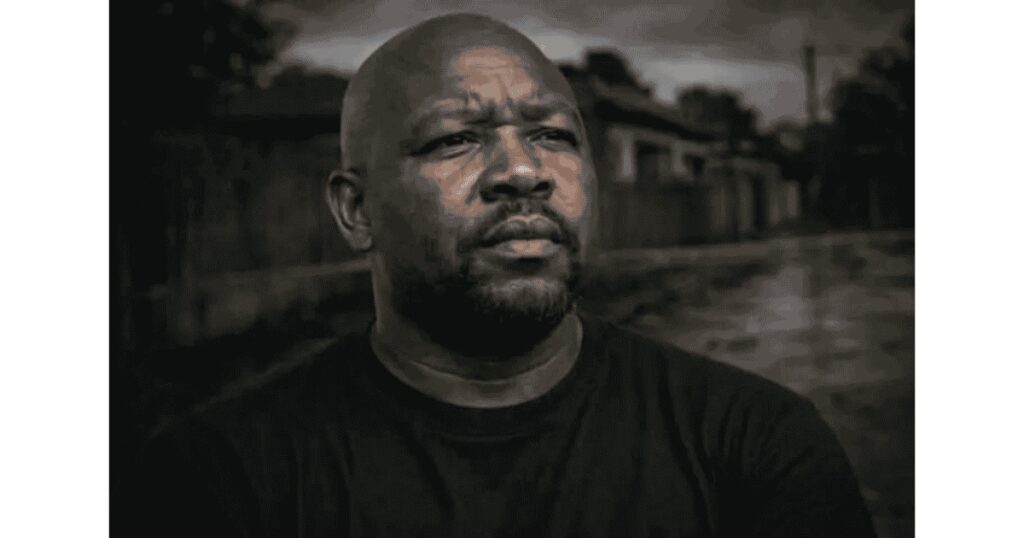
The death of a prominent March and March Movement leader has intensified fears of growing violence surrounding South Africa’s increasingly polarising anti-illegal immigration campaign, with the organisation alleging that its members are being systematically targeted.
Andile Mvuyelwa Somgxada died on 9 July after spending several days in critical condition following a shooting outside his Greenfields home in Ekurhuleni, Gauteng.
According to the movement, Somgxada was ambushed on 4 July as he was leaving for an evening engagement. He was shot multiple times before being rushed to a nearby hospital, where he underwent emergency surgery. Despite efforts by medical staff, he succumbed to his injuries five days later.
In a strongly worded statement released on Monday, the March and March Movement described the killing as a deliberate assassination and alleged that it was directly linked to the organisation’s outspoken campaign against illegal immigration and criminal networks operating in communities.
“Andile was not just a leader. He was the voice of communities tired of being overrun by unchecked illegal activities. His death will not silence us. It will fuel our resolve,” the movement said.
The organisation further alleged that Somgxada’s killing forms part of a broader campaign of intimidation against its leadership.
It claimed that organisers in Tshwane, Umlazi and parts of Mpumalanga have received death threats following recent anti-illegal immigration marches. According to the movement, some of these threats allegedly originate from individuals involved in extortion syndicates and protection rackets linked to illegal businesses operating in affected communities.
“Organisers have been warned to stop the marches or face the same fate,” the statement continued.
“These are not empty threats. We have evidence of coordinated efforts to undermine our peaceful protests.”
However, these allegations have not been independently verified, and no evidence has yet been presented publicly to support the claims.
Police have also not released detailed information about the investigation into Somgxada’s death or commented on any possible motive.
The movement has called on law enforcement agencies to prioritise the investigation.
“We demand that law enforcement agencies treat this as a priority case and bring those responsible to justice,” the statement said.
“Failure to act will only heighten tensions and erode trust in our justice system within these communities.”
Second killing raises further questions
Somgxada’s death came just days after another fatal shooting involving a member of the March and March Movement, raising further questions about whether the incidents are connected.
On 2 July, Mthobisi Gasa, a Durban municipal employee and activist associated with the movement, was shot dead in Isipingo, south of Durban, near the Lovu taxi rank while colleagues were working nearby.
Originally from the Mbotho area near Harding in KwaZulu-Natal, Gasa was known for his involvement in local politics and anti-illegal immigration activism.
The South African Police Service has opened an investigation into Gasa’s murder. However, authorities have not confirmed any connection between the two killings, and the motives behind both shootings remain under investigation.
Movement’s growing influence and controversy
The March and March Movement has gained national attention in recent months through community-led demonstrations calling for tighter border controls, the deportation of undocumented foreign nationals involved in crime, and stronger action against illegal trading operations and drug dens.
Supporters argue that the movement gives voice to communities frustrated by crime, unemployment and failing service delivery in townships and informal settlements.
Critics, however, have accused the organisation of promoting xenophobia and encouraging vigilantism.
Both shootings occurred in the days following nationwide anti-illegal immigration demonstrations held across several South African cities and towns on 30 June.
Whether the killings were politically motivated or linked to the movement’s activism remains unconfirmed, with police investigations continuing.