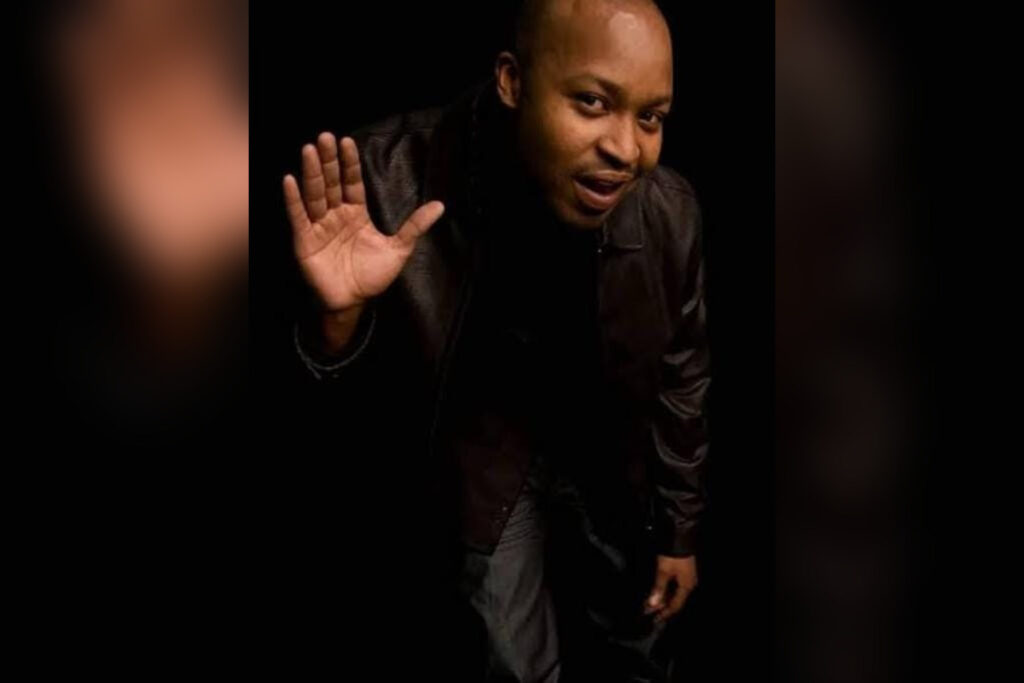
MEDIA STATEMENT BY NOLUBABALO MCINGA ON PUBLIC ANGER, IMMIGRATION SYSTEMS, AND CRIME ENFORCEMENT
South Africa is facing rising public anger over immigration pressures, unemployment, and the escalating drug and crime crisis. I want to state clearly that the dignity, safety, and economic future of South African citizens must always come first in national policy and governance.
I, Nolubabalo Mcinga, President of the Azania Movement, stand firmly for a South Africa that prioritises its people, restores state capacity, and enforces the law without fear or favour.
However, this must never be misinterpreted as a call for hostility or division. It is a call for systems, not scapegoats.
South Africa has faced different phases of administrative capacity over time, with variations in how effectively immigration and documentation systems have been managed. In the earlier post-transition period, certain systems were more stable and structured in their implementation. Over time, however, there has been a noticeable decline in efficiency and consistency, particularly within key institutions such as the Department of Home Affairs.
This current crisis reflects a breakdown in state capacity, systems management, and enforcement coordination, which has resulted in significant backlogs and long-term administrative delays.
No country can manage migration effectively without a functioning documentation system. When systems collapse, people become undocumented through no singular fault of their own.
At the same time, South Africa’s drug and crime crisis requires a far more serious national response.
We must move beyond surface-level enforcement and target the full structure of the drug economy: the syndicates, the drug trafficking networks, the drug laboratories/factories, and the financial systems that sustain them. This is where the real damage is being produced, not at street level alone.
We must learn from countries that have taken decisive, structured approaches to law enforcement and drug control.
Singapore is widely recognised for its strict enforcement framework and zero-tolerance approach to drug trafficking across the entire supply chain. Botswana has strengthened border control and coordinated policing to disrupt cross-border criminal activity. Portugal has implemented a decriminalisation model supported by strong state-funded rehabilitation systems and structured intervention. Germany has invested heavily in intelligence-led policing and the prosecution of organised crime networks.
These examples demonstrate that successful states do not rely on fragmented responses. They respond with coordinated, intelligence-driven enforcement that targets entire criminal systems.
South Africa must adopt a similar approach: intelligence-led policing, dismantling of drug trafficking networks, prosecution of high-level organisers, and disruption of drug production and supply systems through lawful state mechanisms.
Public anger must therefore be redirected into structured civic pressure that demands institutional accountability and effective enforcement—not disorder or misdirected hostility.
South Africans must come first in their own country. That principle is non-negotiable. But it must be implemented through law, policy, and institutional reform—not through chaos or division.
I also want to address the growing tendency to politicise these issues. This is deeply harmful and comes at the expense of ordinary people who are already under severe economic pressure. When immigration and crime are turned into political instruments, the result is division instead of solutions.
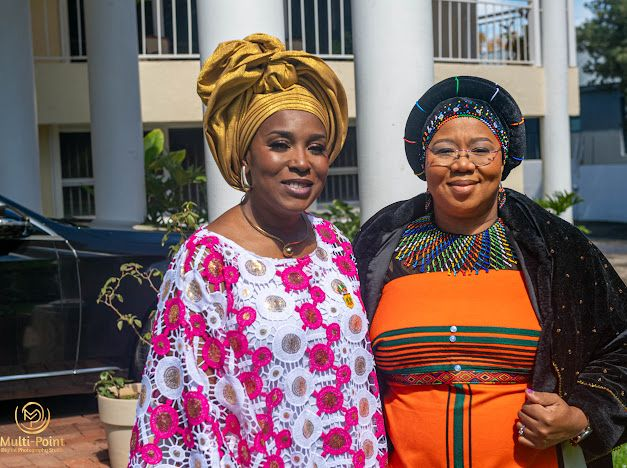
On Saturday the 18th April 2026, at the University of Pretoria Xhosa Society, I invited Ambassador (Mrs.)Ninikanwa Olachi Okey-Uche (mni), the Consul General of Nigeria in Johannesburg, South Africa, to engage students on immigration and community concerns.
During that engagement, students raised concerns regarding the conduct of some foreign nationals. The Consul General acknowledged these concerns, expressed regret over incidents involving certain individuals, and reaffirmed that criminal conduct is not condoned.
She further committed that her office will conduct visits across all six provinces under her jurisdiction to engage communities directly, listen to concerns, and strengthen consultation processes regarding Nigerian nationals in South Africa.
She also confirmed that voluntary return processes will be supported for individuals who choose to return to their country of origin, Nigeria in coordination with relevant authorities.
South Africa’s challenges require discipline, clarity, and system reform—not scapegoating or division.
We must therefore be clear:
* Prioritise South Africans in national policy and opportunity
* Strengthen and repair Home Affairs systems to resolve documentation backlogs
* Strengthen intelligence-led policing against organised crime
* Dismantle drug trafficking networks, laboratories, and syndicates through lawful enforcement
* Uphold constitutional rights and due process for all
This is not about division. It is about restoring order, sovereignty, and functional governance.