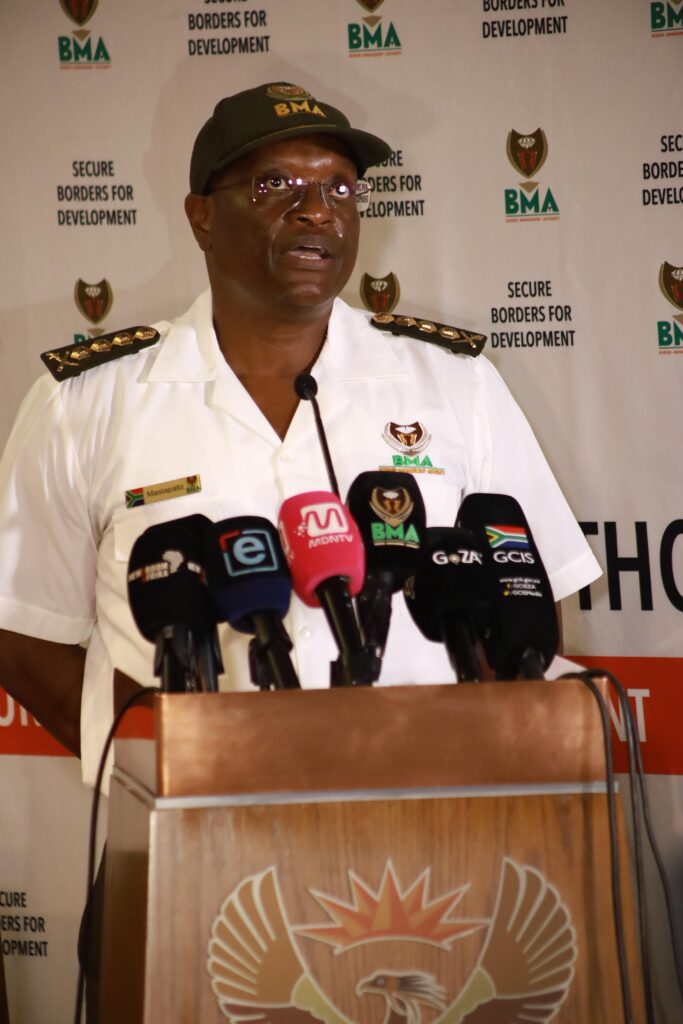
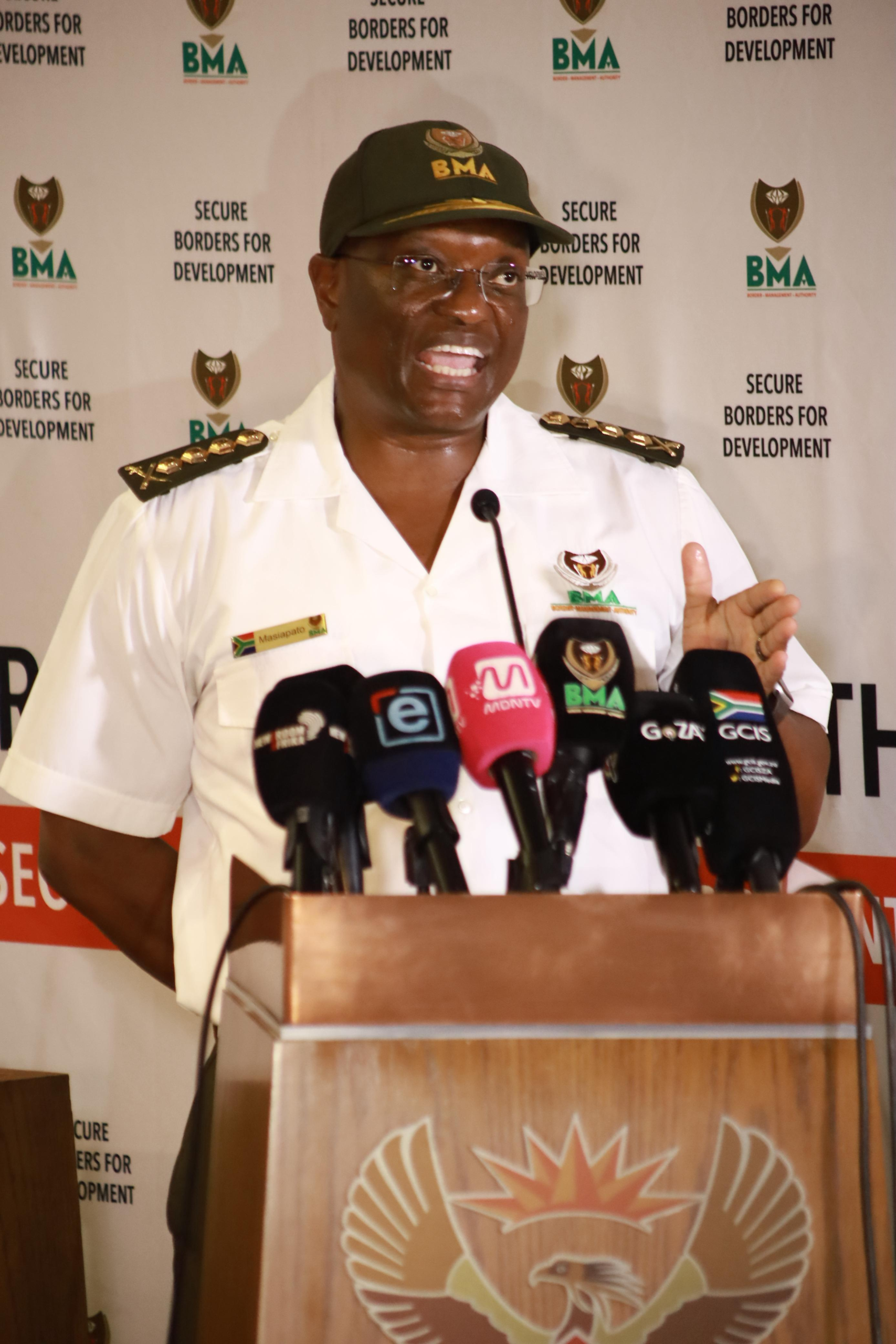
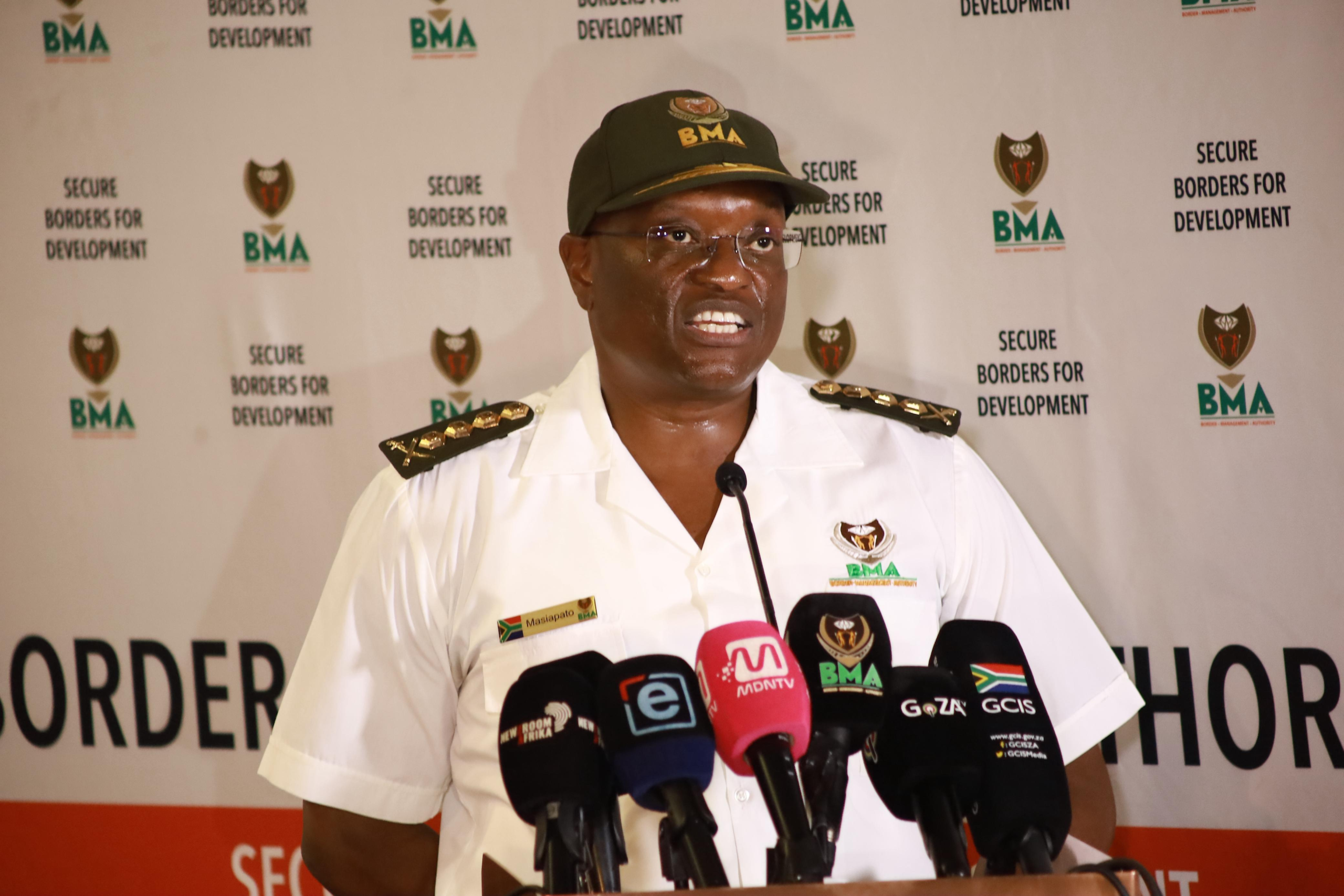
 Media Statement by BMA Commissioner, Dr Michael Masiapato on the 2026 Easter Operational Plan
Good morning to everyone present — our Deputy Commissioners, partners from both the public and private sectors, members of the border management community, the media, and all distinguished guests.
As the Border Management Authority (BMA), we are once again rolling out our Easter Festive Season Plan. This plan is designed to ensure the safe, secure, and smooth movement of people and goods across South Africa’s 71 ports of entry during the busy Easter period.
Easter is one of the busiest travel seasons in the country, and our goal is to strike the right balance between strong border enforcement and enabling legitimate travel, tourism, and trade.
This plan is backed by strong collaboration across government and security structures, including the Inter-ministerial Consultative Committee on Border Management, the Border Technical Committee, Natjoints, Provjoints, and other key partners in the border management system.
How the Plan Works
The Easter operational plan is divided into four phases:
Planning, Execution, Demobilisation, and Sustenance.
Planning Phase
Our planning phase began toward the end of the last festive season, running from early February 2026 and concluding on 30 March 2026.
Despite limited resources, we focused on strengthening partnerships to boost our capacity.
Key support includes:
The Western Cape Government, which has deployed about 50 officials to assist as Immigration Officers at Cape Town International Airport.
The Gauteng Provincial Government, which has provided 80 officers at OR Tambo International Airport.
To better protect vulnerable travellers, especially minors and victims of trafficking, we partnered with the Department of Social Development, which has deployed social workers to ports of entry across provinces.
We also continue working closely with the Department of Tourism, which has sent over 160 tourism safety officers to help manage traveller movement and improve safety within ports.
On infrastructure, the Department of Public Works and Infrastructure is supporting operations by providing temporary lighting, sanitation facilities, barricades, and water tankers to improve conditions at ports and along transit routes.
Improving Road and Corridor Safety
Traffic authorities at national, provincial, and local levels will step up enforcement to ensure road safety and compliance during this high-traffic period.
Public and Private Sector Partnerships
Beyond government collaboration, we’ve strengthened partnerships with private sector players such as DCD Protected Mobility, Paramount Group, Aselsan South Africa, and Unipro Protective Wear. These partners are helping us deploy advanced surveillance, mobility, and protective technologies to modernize border operations.
In addition, Sanlam/Assupol will support the health and wellbeing of officials working in demanding border environments.
We also appreciate industry partners in the maritime and aviation sectors, including the South African Association of Freight Forwarders (SAFF) and the Association of Meat Importers and Exporters (AMIE), for their continued cooperation.
Regional Cooperation
At a regional level, we’ve held discussions with our six neighbouring countries — Lesotho, Mozambique, Zimbabwe, Namibia, eSwatini, and Botswana — to improve coordination and streamline border processes.
These engagements led to agreements to extend operating hours at selected ports of entry that do not run 24 hours a day. These extensions have been approved by the Minister of Home Affairs, Dr Leon Schreiber, in his role as Chairperson of the Inter-ministerial Committee on Border Management.