Massive Protests Sweep Israel as Families Demand Hostage Release
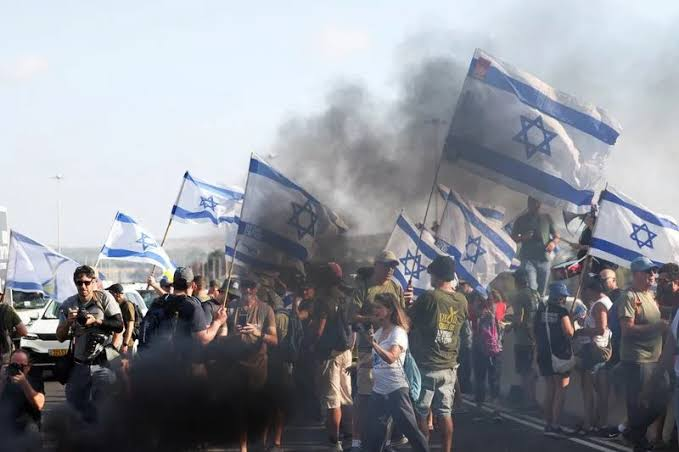
Hundreds of thousands of people filled the streets across Israel on Sunday in one of the largest demonstrations since the Gaza war began nearly two years ago. In Tel Aviv, Hostages Square became the focal point, with organizers reporting more than 400,000 participants.
The protests, which grew into a nationwide strike, began at 6:29 a.m.—the exact time Hamas launched its deadly attack on October 7, 2023. By nightfall, over a million people had joined rallies, blocked major roads, and shut down businesses in solidarity with the families of hostages still held in Gaza.
At the central gathering in Tel Aviv, a newly released video of captive Matan Zangauker was shared, intensifying calls for the government to reach a deal. In the clip, filmed months earlier, Zangauker urged his loved ones and fellow citizens to keep raising their voices. His mother, Einav, later addressed the crowd with an emotional plea, criticizing the government for prolonging the war and failing to bring the hostages home.
Family members of the captives announced an “emergency break” movement, declaring that the country must halt everything until the 50 remaining hostages are released. They insisted that only a comprehensive agreement—ending the war in exchange for the hostages—can end what they called a “nightmare” gripping the nation for nearly two years.
While many businesses, universities, and private companies joined the strike, Israel’s largest labor union stopped short of official participation, though it encouraged employers to let workers take part. Police reported several arrests during roadblocks and demonstrations, but the scale of the protest underscored widespread public support for a hostage deal.
Israel’s president expressed solidarity with hostage families, saying the entire country shares their pain. But government officials were divided. Some ministers called the protests a political stunt, while Prime Minister Netanyahu warned that calls to end the war without defeating Hamas would only embolden the group and risk repeating past attacks.
Despite the criticism, the families vowed to continue their campaign. A new protest site called “Waypoint 50,” symbolizing the hostages still in Gaza, is being set up near the border as pressure mounts on the government to act.