Limpopo Indigenous Games 2026 to be hosted in Tzaneen
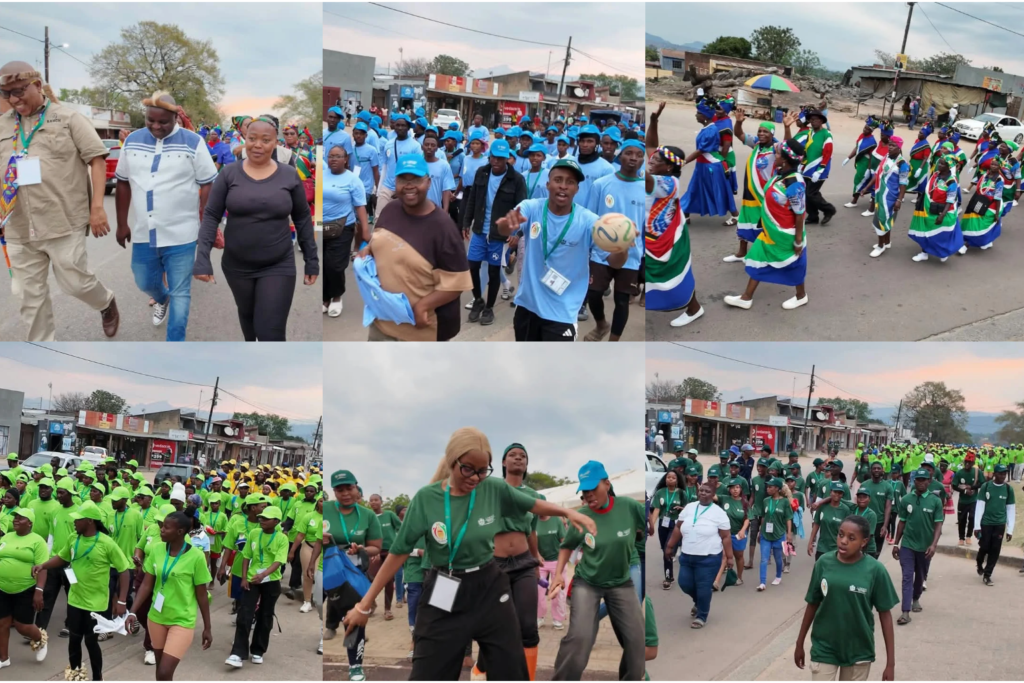
NKOWANKOWA – Limpopo’s rich cultural heritage took centre stage at Nkowankowa Stadium on Thursday night as the province officially opened its 2026 Indigenous Games, bringing together participants from all five districts.
The games are being hosted in the Greater Tzaneen area, with the colourful opening ceremony attended by newly appointed Limpopo MEC for Sport, Arts and Culture Bellah Kupa-Mabuza, councillors from Mopani District Municipality and Greater Tzaneen Municipality, athletes and community members.
The opening ceremony showcased the province’s cultural diversity through traditional sporting codes, music, dance and colourful displays as participants prepared to compete for a place in the national Indigenous Games Festival.
Kupa-Mabuza officially opened the provincial games, which are aimed at preserving indigenous sporting practices and knowledge while exposing younger generations to traditions that form an important part of their cultural identity.
The programme includes traditional sporting codes such as Kgati, Diketo, Morabaraba, Ncuva/Moruba, Dibeke, Jukskei, Kho-Kho, Drie Stokkies and Intonga.
The provincial competition forms part of a broader national Indigenous Games programme aimed at reviving traditional games, promoting cultural diversity and social cohesion, and encouraging healthy lifestyles.
According to the Department of Sport, Arts and Culture, the revival of Indigenous Games in South Africa gained momentum following a national call to embrace the African Renaissance.
The national Indigenous Games programme was formally launched at the Basotho Cultural Village in the Free State in February 2001. It initially featured seven sporting codes before additional indigenous games were introduced.
The programme has since developed into an annual competition staged at local, district, provincial and national levels.
Limpopo’s Department of Sport, Arts and Culture says the games provide an important platform for preserving cultural heritage while keeping communities, particularly young people, engaged in healthy recreational activities.
Beyond competition, the traditional sporting codes help participants develop skills such as agility, strength, balance, reflexes, hand-eye coordination, accuracy, strategy and patience.
The provincial games bring together representatives from Limpopo’s five districts, with participants competing for the opportunity to represent the province at the national Indigenous Games Festival.
Limpopo has previously recorded strong performances at national level. In 2022, Team Limpopo finished second overall at the National Indigenous Games Festival, according to the provincial Department of Sport, Arts and Culture.
The games also coincide with the province’s Heritage Month activities, providing communities with an opportunity to celebrate heritage as something that remains alive through everyday cultural practices.
The national Department of Sport, Arts and Culture describes living heritage as practices and knowledge passed from one generation to another, including language, music, dance, rituals, oral traditions, indigenous knowledge systems, craftsmanship and customary practices.
As participants take to the various sporting fields in the coming days, the Indigenous Games are expected to provide both a competitive platform and an opportunity for communities to celebrate and preserve Limpopo’s diverse cultural traditions.