
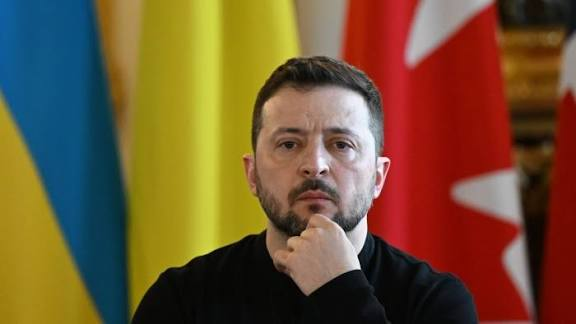
Talks in Geneva between the United States and Ukraine have wrapped up with both sides saying they made progress, but many big questions remain unanswered — especially when it comes to Ukraine’s territorial integrity.
President Volodymyr Zelensky welcomed the momentum but stressed that the biggest stumbling block is Russia’s demand that Ukraine legally recognize the territories Moscow currently occupies in the east. He warned that agreeing to this would undermine Ukraine’s sovereignty and reward Russia for seizing land by force.
On social media, President Donald Trump hinted that “something good may be happening” but urged people not to believe anything until a real breakthrough is visible.
Russia was not part of the Geneva discussions, and the Kremlin said it had not received any updates. However, Moscow noted that it was aware changes had been made to the peace proposal previously shared with President Putin.
The earlier 28-point plan, drafted by the US and Russia, raised concerns in Kyiv and across Europe because it appeared to lean heavily toward Moscow’s long-standing demands.
Tensions rose last week after comments from Trump suggested Ukraine had only until Thursday to accept the proposal or risk losing key US support. The pressure pushed European capitals into rapid consultations and emergency diplomacy.
By Sunday evening, US Secretary of State Marco Rubio said an impressive amount of progress had been made and that he believed the sides could reach a deal. But European leaders were more cautious. Poland’s Donald Tusk said he was unsure peace was any closer, and Germany’s Friedrich Merz warned that negotiations would likely be slow and difficult.
European countries quickly drafted a counter-proposal that rejects any recognition of Russian-held territories, increases Ukraine’s permitted army size, and leaves open the door to NATO membership. The Kremlin dismissed this version as unhelpful.
Russia continues to insist that Ukraine withdraw completely from the Donbas region — a demand Kyiv says would only invite future attacks. Zelensky has repeatedly argued that giving up any territory would endanger Ukraine long-term.
For now, the path forward is unclear. Zelensky is expected to speak directly with Trump soon, after which a revised peace plan may be sent to Moscow. Russia says there are currently no plans for its negotiators to meet US officials this week.
British Prime Minister Keir Starmer said more work is needed to secure a “just and lasting peace,” and announced that a virtual meeting of supportive countries would take place on Tuesday to coordinate next steps.