
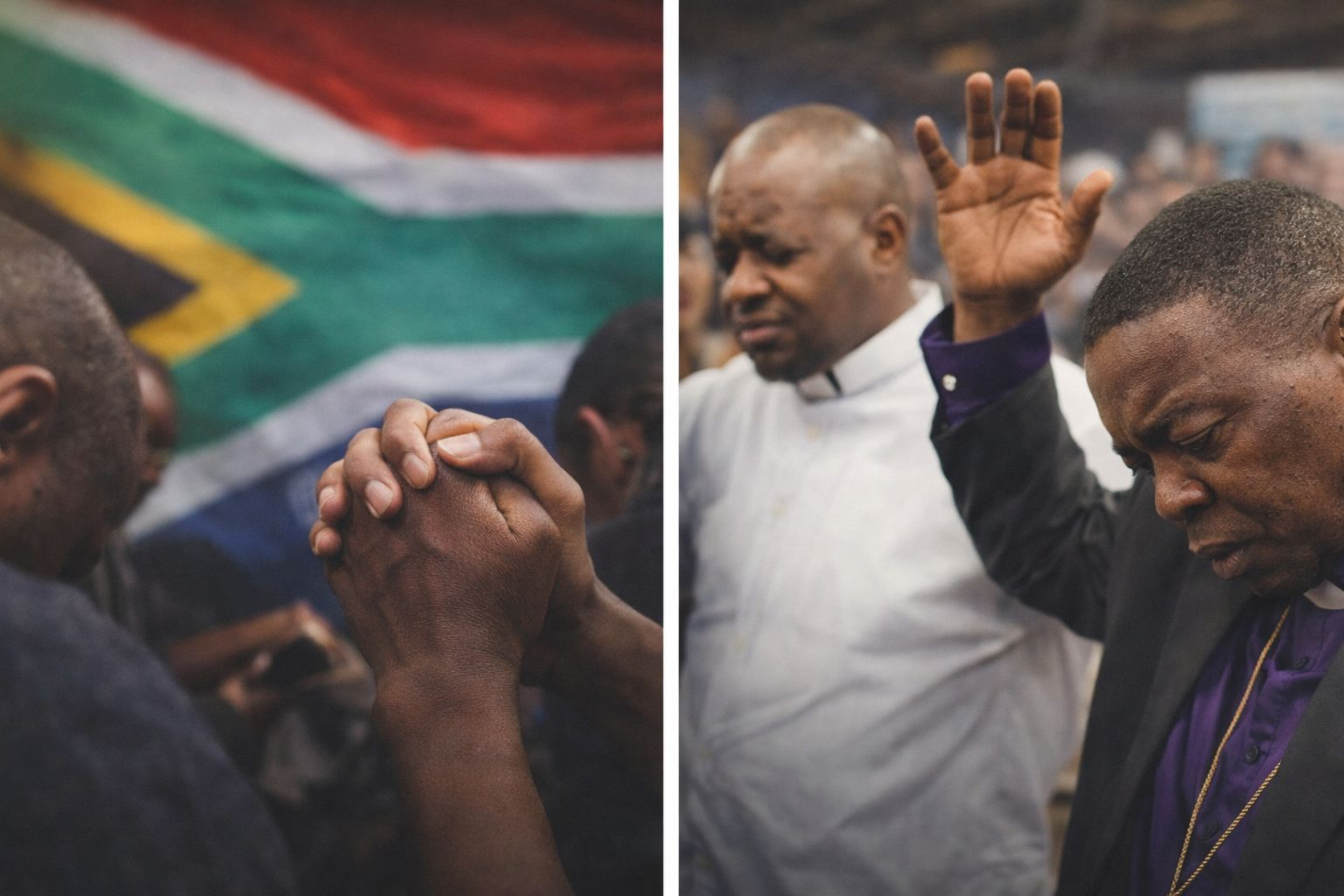
As the CRL Rights Commission consults on a proposed self-regulatory framework for the Christian sector, one reality has become clear: faith leaders themselves are deeply divided.
Some welcome the initiative as a step toward accountability. Others view it as an overreach that risks undermining religious independence.
Understanding this divide requires looking beyond headlines to the competing concerns shaping the debate.
Why Some Faith Leaders Support the Framework
Supporters of the CRL proposal argue that:
• Abuse and exploitation have damaged public trust
• Ethical standards vary widely across churches
• Voluntary self-regulation could promote accountability
For these leaders, the framework is seen as a way for churches to demonstrate responsibility without direct state control.
They believe participation could help restore credibility where misconduct has occurred.
Why Others Strongly Oppose It
Opponents raise a different set of concerns.
They argue that:
• Existing laws already address abuse and crime
• Certification systems create indirect pressure to conform
• Religious governance should not be influenced by state-linked bodies
For these leaders, the issue is not accountability, but who defines legitimacy.
They fear that churches unwilling to participate could be marginalised, regardless of their compliance with the law.
The Role of History and Trust
South Africa’s history plays a significant role in shaping scepticism.
Faith communities remember periods where belief systems were monitored, constrained, or politicised. As a result, any proposal involving oversight of religious practice is met with caution.
Trust, once lost, is difficult to restore.
A Question of Authority
At the centre of the divide is a fundamental question:
Who has the authority to regulate religious life?
Supporters see the CRL as a facilitator.
Critics see it as a state-linked institution stepping beyond its mandate.
Both sides agree on one thing. Abuse must be confronted. Where they differ is on whether oversight mechanisms strengthen or weaken the Church’s moral authority.
What This Division Signals
The disagreement among faith leaders suggests that the CRL consultation process faces significant challenges.
Any framework that does not command broad confidence risks deepening division rather than fostering unity.
For many observers, the debate highlights the need for:
• Stronger law enforcement
• Clear victim protection mechanisms
• Respect for religious self-governance
A Debate That Is Far From Over
The CRL’s proposal has opened an important national conversation.
Whether it leads to consensus or continued division will depend on how seriously constitutional concerns, historical context, and faith diversity are taken into account.
What is clear is that the future relationship between faith communities and the state is now under renewed scrutiny.