
The World Health Organization has voiced deep concern over recent military actions in central Gaza, claiming its operations have been severely impacted after its staff quarters and main warehouse were targeted and damaged during a renewed offensive.
The organization reported that one of its buildings, which was sheltering staff members and their families, was struck multiple times, forcing terrified women and children to flee on foot amid active gunfire. Male staff and relatives were reportedly detained, stripped, interrogated, and screened at gunpoint. While three were later released, one staff member remains in detention.
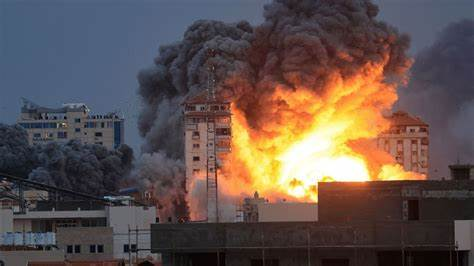
In addition to the assault on the residence, WHO’s central warehouse in the city was also hit, resulting in explosions and a subsequent fire. The facility was later looted by desperate civilians. WHO warned that these incidents form part of a broader trend of destruction targeting healthcare infrastructure across the region.
Efforts to continue providing medical support are now seriously compromised. With over two million people relying on humanitarian assistance, the destruction of facilities and ongoing displacement threaten to collapse an already fragile health system.
Tens of thousands of civilians have been forced to flee their homes in Deir al-Balah as ground operations intensify. The military recently issued evacuation orders for multiple blocks in the area, advising residents to move south toward safer zones. Humanitarian agencies, however, have chosen to remain in place to support those unable or unwilling to flee, stressing the urgent need for protection.
Reports emerging from the region describe worsening hunger and malnutrition. Clinics and hospitals are seeing increasing numbers of severely undernourished individuals, and several deaths have been linked to starvation in recent days.
The vast majority of Gaza is now either under evacuation orders or within heavily militarized zones. With over two million people squeezed into a shrinking area, essential services are collapsing and humanitarian corridors remain highly restricted.
The military campaign, which began in response to a deadly attack nearly two years ago, has resulted in significant civilian casualties. Despite international appeals for restraint, the violence has continued to escalate, with ongoing concerns over the safety of hostages still believed to be held in the territory.
Families of those captives have expressed fear that intensified operations might endanger their loved ones. Meanwhile, growing international criticism has centered on the toll the conflict has taken on civilians, especially those seeking aid and medical help.