
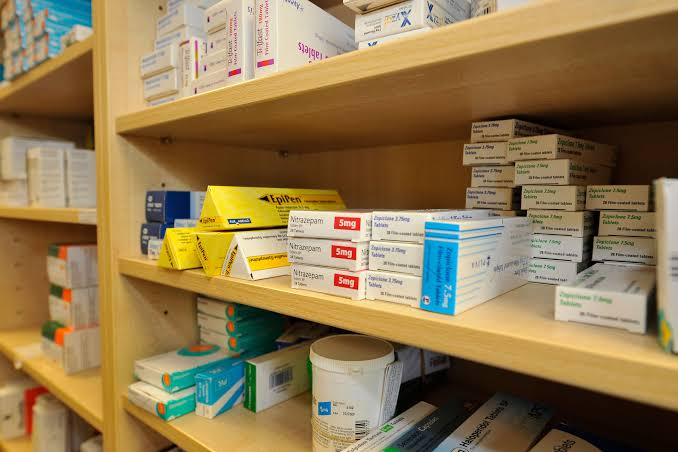
The United States and the United Kingdom have reached a new agreement that keeps tariffs on British-made pharmaceuticals entering the US at zero—an outcome that safeguards one of the UK’s most valuable export sectors.
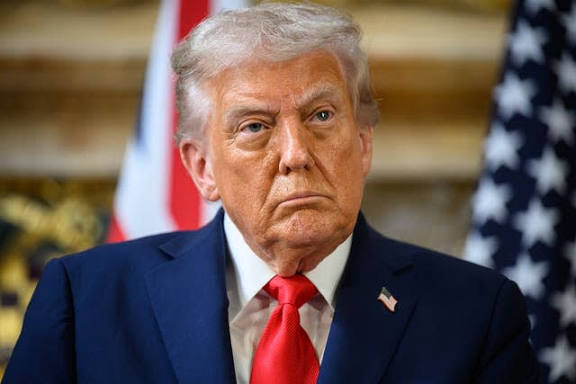
But the deal comes with a major trade-off: the UK has agreed to increase what the NHS pays for medicines, marking the first rise in over two decades.
The agreement follows months of pressure from US President Donald Trump, who had repeatedly threatened to impose tariffs of up to 100% on branded drug imports. Pharmaceuticals remain one of the UK’s strongest exports to America, worth more than £11bn in the year leading up to September.
Business and Trade Secretary Peter Kyle said the new terms will protect at least £5bn worth of UK pharmaceutical exports each year. He added that the deal supports jobs, draws investment, and strengthens the UK’s ambitions to be a life sciences hub.
At the centre of the agreement is a 25% increase in the price threshold used to determine whether new treatments are too expensive. The UK has also committed to doubling NHS spending on medicines—from 0.3% to 0.6% of GDP—over the next decade.
The amount drug companies must reimburse the NHS each year will be capped at 15%, a decrease from the more than 20% paid back last year. In return, the US has guaranteed that tariffs on UK-made medicines will remain at zero for three years.
The White House described the agreement as a significant step toward making other countries pay more of the true cost of the medicines their citizens use. US officials argue that American patients have long carried a disproportionate share of global drug pricing.
The deal comes amid a growing debate within the UK over drug costs and the future of the NHS budget. Health Secretary Wes Streeting previously criticized drug companies for pushing high prices, but Science Minister Sir Patrick Vallance later acknowledged that NHS spending on medicines has not kept pace with patient needs.
NICE, the NHS advisory body, expects the changes to allow three to five additional medicines to be approved each year—although it remains unclear how much this will cost. Drugs already account for around 10% of NHS spending.
Analysts warn that the new commitments could drive NHS drug spending up by as much as £3bn annually. Critics argue that funding increases may be better directed toward GP services or reducing hospital backlogs.
The backdrop to the deal includes major pharmaceutical companies pulling back from UK investments. GSK, Merck, and AstraZeneca have all shifted attention to the US, where they have announced large-scale spending plans.
Trade experts say the new agreement may help stabilize the UK’s position in the global pharmaceutical industry. Some US drugmakers, including Bristol Myers Squibb, have already indicated they may now increase their UK investments.
US officials say the agreement ensures Americans won’t continue paying the world’s highest drug prices for medicines partly funded by US taxpayers, while also improving the balance of pharmaceutical trade between the two allies.
Visit MDNtv YouTube Channel for our video content