
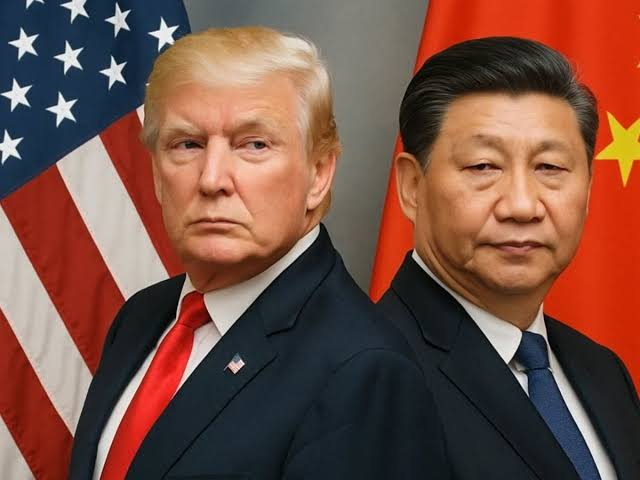
The United States and China have agreed to keep their current tariffs in place for another 90 days, avoiding a steep escalation in their ongoing trade dispute.
The agreement came just hours before higher duties were set to take effect. US President Donald Trump signed an executive order extending the pause until 10 November, while Beijing announced the same move. Under the deal, the US will maintain a 30% tariff on Chinese goods, and China will keep a 10% tariff on American products.
Earlier this year, both nations had threatened to raise tariffs to triple-digit levels, nearly bringing trade between the two economies to a standstill. Those plans were scaled back after talks in Geneva in May, but tensions have remained high.
Washington says the extension will give both sides more time to address trade imbalances, open up markets for US exporters, and tackle national security concerns. The US has cited a trade deficit of almost $300 billion with China in 2024 as a key driver for its position.
Beijing has urged the US to lift trade restrictions and work together to protect industries on both sides, including the global semiconductor supply chain.
Even with the pause, trade volumes have fallen sharply. US imports of Chinese goods dropped nearly 50% in June compared to the same month last year, while American exports to China are down 20% for the first half of 2025.
The two countries remain locked in discussions over sensitive issues such as technology sales, rare earth access, and the future of TikTok’s ownership. For now, the truce offers a temporary reprieve—but the underlying disputes remain unresolved.