
TSHWANE WATER CRISIS: 408 FALL ILL AS CITY ADMITS NEGLIGENCE OVER CONTAMINATED SUPPLY
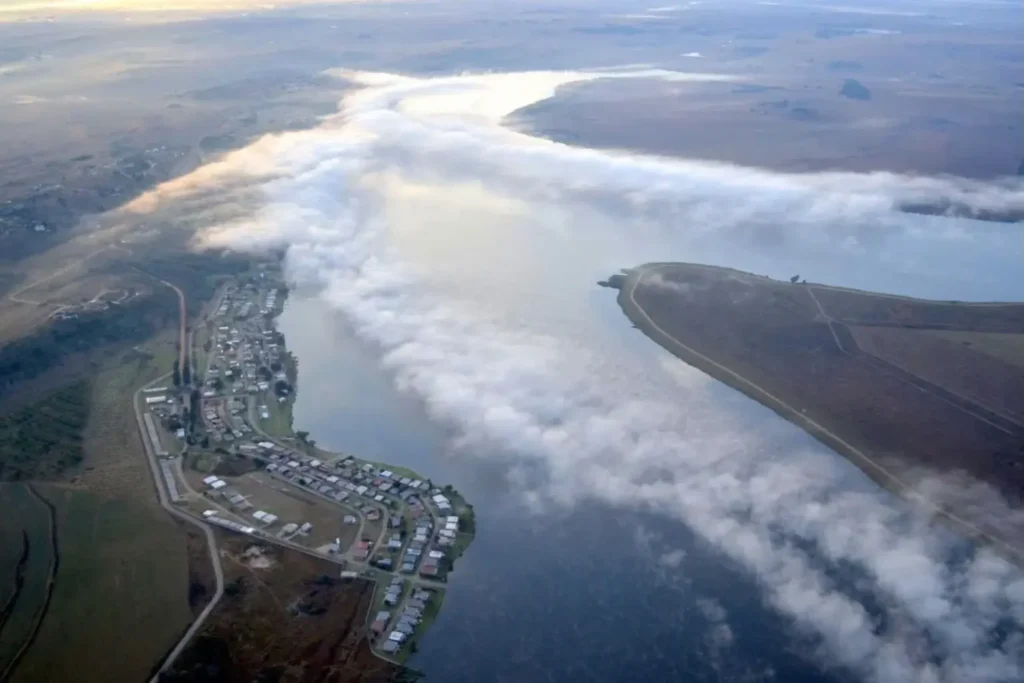
PRETORIA – A major public health crisis has unfolded in Tshwane after 408 people, most of them children under the age of four, developed gastrointestinal illnesses linked to contaminated water supplied by the Bronkhorstspruit Water Treatment Works.
The City of Tshwane has admitted negligence after investigations revealed that the treatment facility supplied water without adequate chlorination for approximately three weeks, exposing communities to serious health risks.
According to a joint government statement, the illnesses were recorded between 7 and 18 October, with patients reporting diarrhoea, stomach cramps and other gastrointestinal symptoms.
The affected communities include Bronkhorstspruit, Zithobeni, Rethabiseng, Dark City and surrounding areas supplied through the municipal water system.
No deaths had been reported in the official update.
Water treatment failures exposed
Investigations revealed that the Bronkhorstspruit treatment facility had operated without chlorine between 24 September and 14 October.
The interruption followed problems involving the municipality’s chlorine supplier.
Chlorine is essential in municipal water treatment because it helps destroy disease-causing microorganisms before water is distributed to households.
Without adequate disinfection, contaminated source water can pose serious health risks, particularly to young children and other vulnerable residents.
Laboratory investigations identified serious bacterial contamination, including E. coli, while health authorities investigated the pathogens responsible for the reported illnesses.
The findings have raised concerns about municipal monitoring systems, the management of treatment chemicals and the delay in alerting affected communities.
Mayor acknowledges negligence
Tshwane Executive Mayor Nasiphi Moya has acknowledged that the municipality failed in its responsibility to ensure the safety of the water supply.
The city has accepted responsibility for the negligence and indicated that disciplinary processes will follow.
The admission raises questions about how a major municipal treatment facility could operate for an extended period without a critical treatment chemical.
It also places renewed scrutiny on the city’s systems for reporting operational failures to senior officials and the public.
Residents warned not to use tap water
Authorities have instructed residents supplied by the affected system to use tap water only for flushing toilets until the municipality formally confirms that it is safe.
Residents have been advised not to use the affected water for drinking, preparing food, bathing, brushing teeth or washing food.
Municipal water tankers have been deployed to provide alternative supplies.
The warnings extend to communities receiving water through the cross-border supply system serving parts of Thembisile Hani Local Municipality.
Restoring chlorine treatment does not automatically mean that water already circulating through the distribution network is safe.
Further testing and official clearance are required before restrictions can be lifted.
Government intervenes
The national departments of Health and Water and Sanitation, the Gauteng provincial government and the City of Tshwane have established a coordinated response.
Health teams began investigating the increase in patients presenting with gastrointestinal symptoms after unusually high numbers were reported at Bronkhorstspruit Hospital.
Government officials have also examined the treatment works and the broader water supply system to determine the extent of the failures.
The crisis has intensified concerns about the condition of municipal water infrastructure and the consequences of inadequate oversight.
For affected households, the immediate priority remains access to safe water and medical care.
Residents experiencing persistent diarrhoea, vomiting, fever or signs of dehydration are encouraged to seek medical attention promptly, particularly where infants and young children are affected.
The City of Tshwane has not announced that the affected tap water is safe for normal household use. Residents should continue following official safety notices until restrictions are lifted
- 408 people fall ill, Bronkhorstspruit water crisis, Bronkhorstspruit Water Treatment Works, contaminated municipal water, E. coli contamination, Gauteng public health crisis, inadequate water chlorination, MDNTV, mdntvlive, mdntvnews, Nasiphi Moya, Rethabiseng water contamination, Tshwane water contamination crisis, Tshwane water safety warning, Zithobeni water supply