
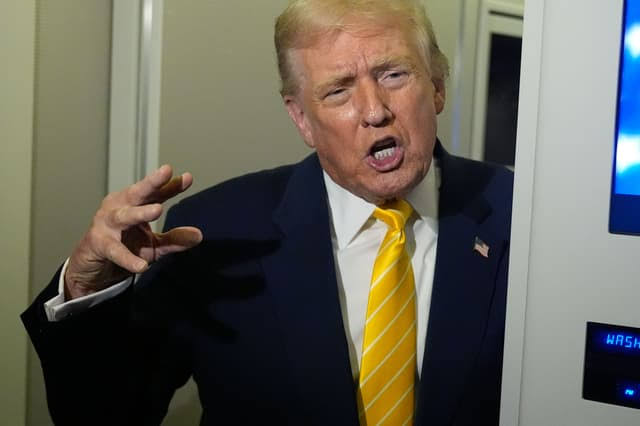
US President Donald Trump says he plans to take legal action against the BBC over an edited clip of his 6 January 2021 speech that appeared in a Panorama documentary. The BBC has apologised for the edit, saying it was unintentional, but it has refused to offer him any financial compensation.
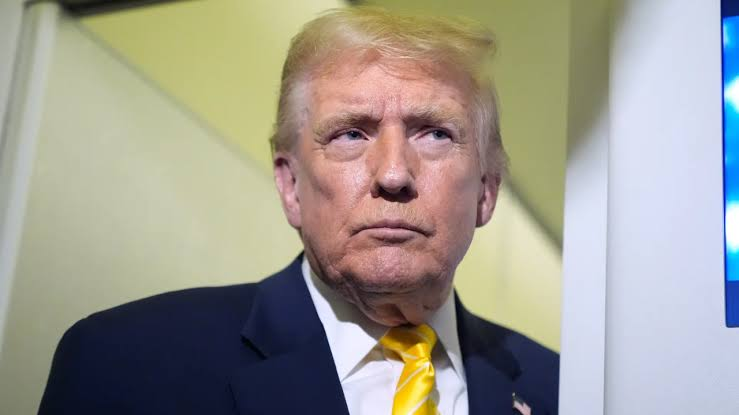
Speaking to reporters on Air Force One, Trump said he intends to file a lawsuit seeking between $1bn and $5bn, likely sometime next week. He accused the broadcaster of altering his words, saying, “They cheated. They changed the words coming out of my mouth.”
The BBC acknowledged that the edit created the wrong impression — specifically, that Trump had issued a direct call for violence — but said the clip would not be broadcast again. The organisation apologised to Trump but stood firm that no compensation would be paid.
Trump told reporters he had not yet raised the issue with the UK prime minister, though he said he planned to speak with him over the weekend. As of Friday evening, no lawsuit had been officially filed.
A BBC spokesperson said there had been no further communication from Trump’s legal team and that the organisation’s position remained unchanged.
In a separate interview recorded earlier, Trump said he felt an “obligation” to sue, arguing that failing to act would allow similar incidents to happen to others. He described the edit as “egregious” and compared it to a previous dispute he had with another US media outlet.
The Panorama programme at the centre of the controversy featured a shortened sequence of his 2021 speech. Critics said it falsely connected lines that were spoken more than 50 minutes apart. The backlash led to the resignation of the BBC’s director general and its head of news.
In its official clarification, the BBC admitted the edit unintentionally made it appear as if Trump had made a continuous call to action, when in fact it was a combination of separate excerpts. The broadcaster insisted it never intended to mislead and strongly disputed any basis for a defamation claim.
BBC lawyers outlined several reasons they believe Trump has no case, including that the programme was not broadcast in the US, was only available to UK viewers, did not harm Trump’s political prospects, and was not edited with malice. They also noted that political speech is heavily protected under US law.
The issue widened further after a second similar edit from a different BBC programme, aired years earlier, came to light.