
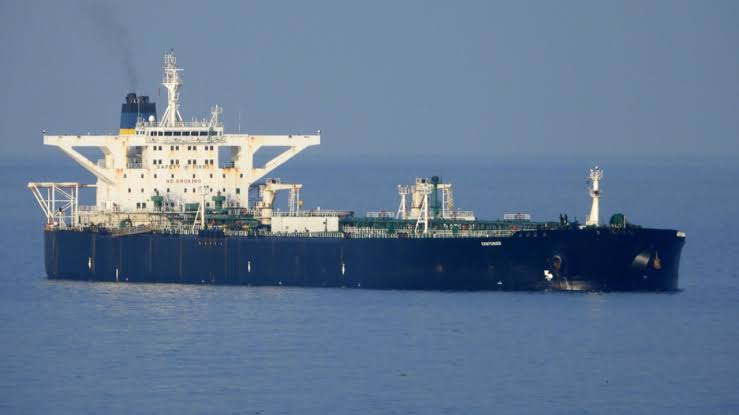
The US military has ramped up its high-seas pressure campaign on Venezuelan oil exports, seizing yet another tanker in the Caribbean—this time the Olina, marking the fifth such vessel taken in recent weeks.
In a dramatic pre-dawn operation on Friday, US Marines and Navy sailors (backed by the Coast Guard) boarded the ship in international waters, with troops descending from helicopters onto the deck. Officials described it as smooth and without incident, part of a broader effort to dismantle the so-called “ghost fleet” or “shadow fleet” hundreds of often opaque, heavily flagged vessels that sneak around sanctions to move oil from countries like Venezuela, Russia, and Iran.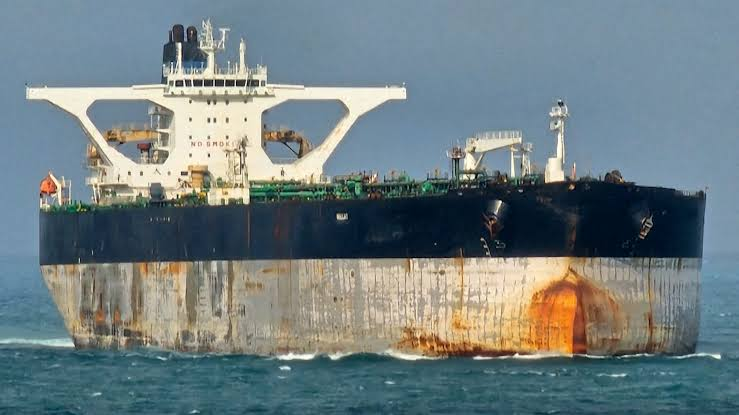
The Olina, previously known as the Minerva M, was already on US and other sanctions lists for allegedly shuttling Russian oil to help fund Moscow’s war in Ukraine. It had been flying a false flag from Timor-Leste (a tiny Southeast Asian nation), making it effectively stateless under maritime rules, which gave the US legal grounds to intervene. The ship reportedly loaded hundreds of thousands of barrels of Venezuelan crude recently and was trying to slip past the ongoing US naval blockade in the region, its tracking signal had gone dark for weeks, last pinging northeast of Curaçao.
Homeland Security Secretary Kristi Noem posted video of the boarding on X, calling it another win against “embargoed oil” smugglers: “The ghost fleets will not outrun justice.” The US Southern Command echoed the tough tone: “There is no safe haven for criminals.”
This latest grab comes amid massive US involvement in Venezuela following the stunning January 3 raid that saw American forces capture former President Nicolás Maduro (and his wife) in Caracas now held in the US facing drug and narco-terrorism charges. With an interim government in place under Delcy Rodríguez, Trump has pushed hard for control over the country’s vast oil reserves (the world’s largest proven), announcing plans to take 30–50 million barrels (worth billions at current prices) for sale on the open market, with proceeds supposedly benefiting Venezuelans (and the US). He’s even said the US could oversee things “indefinitely” while rebuilding the industry with American companies.
Earlier this week, forces seized two more tankers (including the Russian-flagged Marinera after a weeks-long Atlantic chase), showing the blockade isn’t letting up. Critics call it resource grabs or violations of sovereignty; supporters see it as cracking down on illicit trade and corruption.
Tensions are high. Russia has protested some seizures, and the region watches closely as US diplomats even explore reopening an embassy in Caracas.