
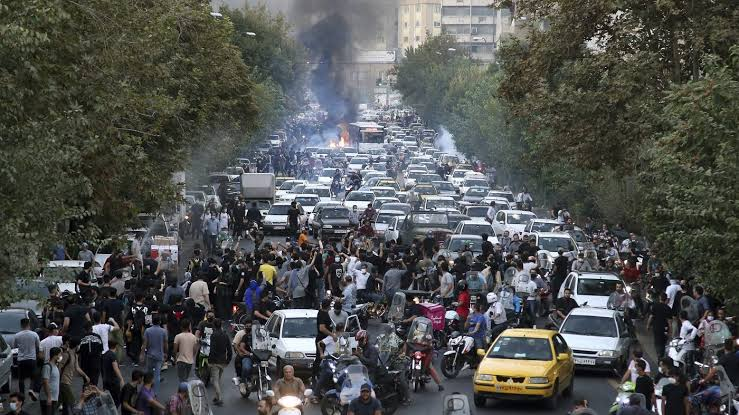
The streets of Iran are once again alive with anger and defiance, as massive anti-government protests continue to spread across the country—now in their second week and showing no signs of slowing down.
What began in late December as frustration over the sharp collapse of the Iranian rial (the national currency plunging to record lows amid sky-high inflation) has quickly grown into widespread calls for regime change, freedom, and an end to the current leadership. Demonstrators in Tehran and dozens of other cities are chanting against the supreme leader and the entire system, with some openly calling for the return of Reza Pahlavi, the exiled son of the last Shah.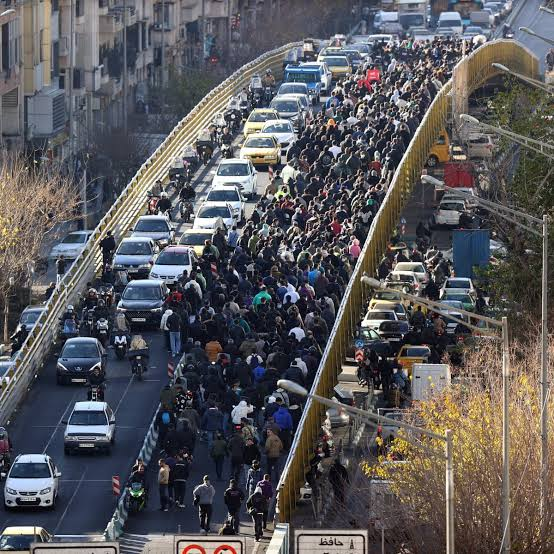
Human rights organizations report that at least 48 protesters have lost their lives since the unrest started, with many more injured from live ammunition and heavy-handed crackdowns by security forces. Videos from the ground show chaotic scenes: crowds facing off against police, injured people being rushed to hospitals, and even reports of gunfire in places like Karaj and southern cities.
The government has responded with force and isolation. Authorities have imposed a nationwide internet blackout (now over 24 hours long in many areas), cutting off mobile data, WhatsApp messages, and most online communication. ATMs and card payments are failing, supermarkets are seeing panic buying, and everyday life is grinding to a halt for millions. State media has shifted to calling protesters “armed terrorists” and showing arrests, while downplaying or denying civilian deaths.
Supreme Leader Ayatollah Ali Khamenei has harshly dismissed the demonstrators as “vandals” acting to please foreign powers specifically pointing fingers at US President Donald Trump, whom he accused of having “Iranian blood” on his hands. Meanwhile, Trump has repeatedly warned that the US would respond forcefully (“hit very hard”) if the regime continues killing peaceful protesters.
In a dramatic appeal from exile, Reza Pahlavi has directly urged Trump to “be prepared to intervene” and support the Iranian people, describing the moment as urgent as crowds face bullets and now total communication silence. Some protesters are waving the old lion-and-sun flag and chanting his name, though it’s unclear how widespread that support truly is.
The situation feels tense and unpredictable. Families inside Iran are cut off from loved ones abroad, with messages stuck undelivered and constant anxiety about safety. One woman who fled to the UK after losing her mother in earlier protests (back in 2022) shared how these events painfully bring back those memories, yet she remains hopeful that this wave of uprisings is connected to the long struggle for freedom.
International voices, including leaders from the UK, Germany, and France, have condemned the violence and called for restraint, while the blackout makes it harder than ever to know the full picture on the ground.