
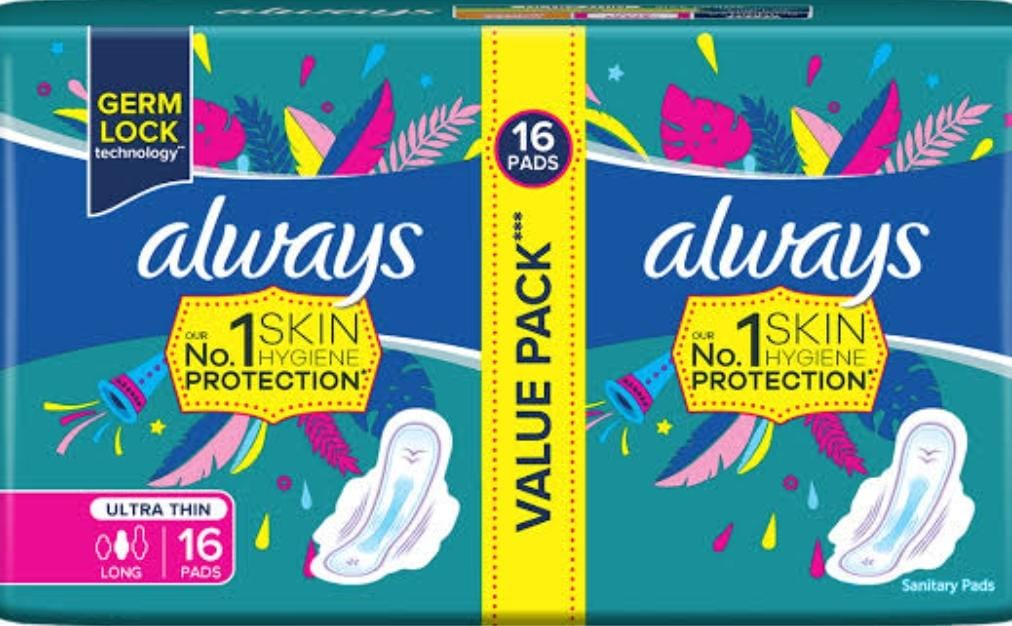
The National Consumer Commission (NCC) has launched a formal investigation into several major sanitary pad and panty liner suppliers following the release of a study detecting potentially harmful chemicals in some products sold in South Africa.
The study, conducted by the University of the Free State and titled: “The Presence of Endocrine Disrupting Chemicals in Sanitary Pads.”
A Study done in South Africa, found that certain sanitary products may contain endocrine-disrupting chemicals (EDCs), including parabens, phthalates and bisphenols.
According to Jacaranda FM these substances have been linked in scientific literature to health risks such as hormonal imbalances, infertility, endometriosis and certain cancers.
With millions of South African women and girls relying on sanitary products each month, the NCC described the findings as serious enough to warrant urgent regulatory scrutiny.
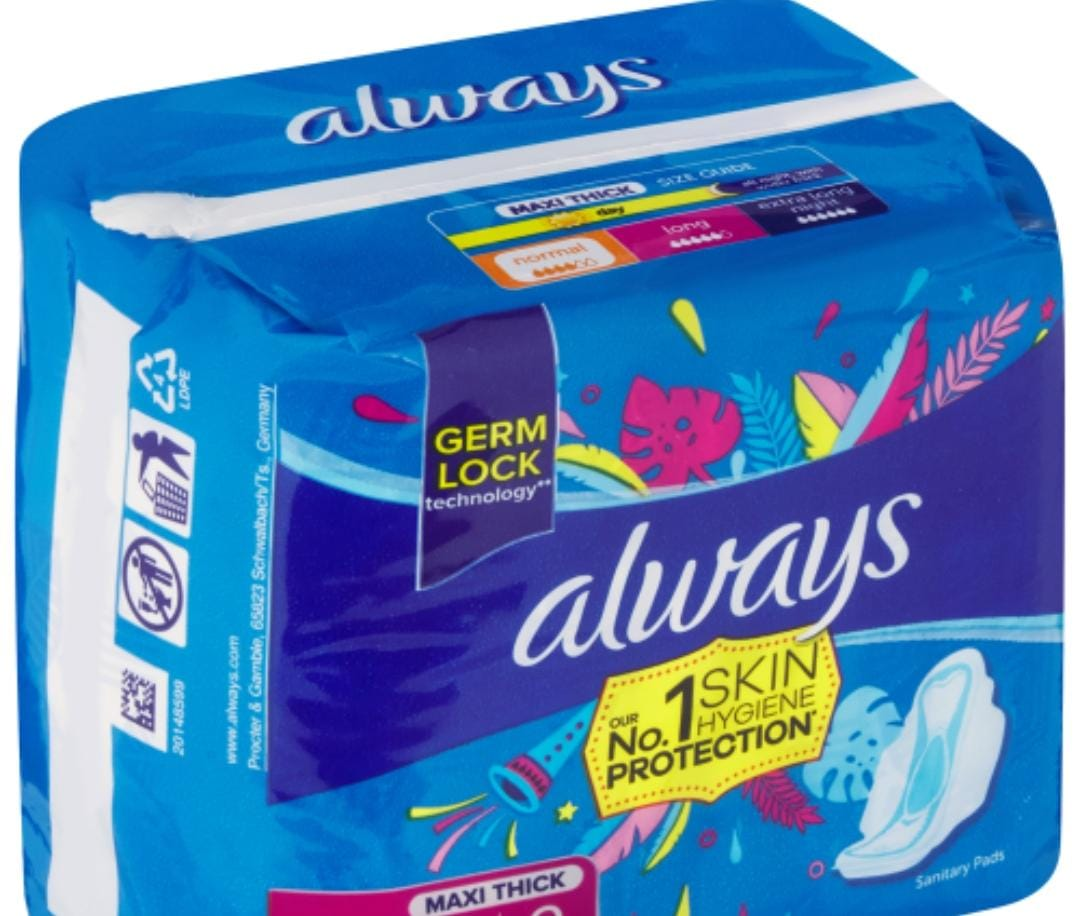
Suppliers under investigation, the investigation targets the following companies whose products were reportedly included in the study, Kimberly-Clark of SA (Pty) Ltd (Kotex), Procter & Gamble (Pty) Ltd (Always), Anna Organi, The Lion Match Company (Pty) Ltd trading as Comfitex
Here We Flo trading as Flo, Johnson & Johnson (Pty) Ltd trading as Stay Free
Premier Group of Companies trading as Lil-lets, Essity Hygiene and Health AB trading as Libresse South Africa.
The NCC will assess whether these suppliers are compliant with Sections 55 and 24 of the Consumer Protection Act (CPA).
These provisions guarantee consumers the right to goods that are reasonably suitable for their intended purpose, of good quality, in good working order and free from defects.
The NCC will look into the possible product testing and recalls.
As part of its probe, the Commission will require the companies to conduct further testing on the affected products or submit recent laboratory results that specifically test for endocrine-disrupting chemicals.
The findings will be reviewed to determine whether a product recall under Section 60 of the CPA may be necessary.
Acting Commissioner Hardin Ratshisusu said the matter has been prioritised due to its potential public health implications.
“The findings of the study raise serious concerns affecting women and girls that warrant an investigation, making this a priority investigation,” Ratshisusu said. “The affected suppliers will be afforded an opportunity to respond to the concerns as part of the investigation before the NCC makes a determination on the matter,” said Ratshisusu.
Ratshisusu said the Commission confirmed that it will also engage with other regulatory authorities and stakeholders throughout the investigation to ensure a comprehensive review of the safety concerns.
“The outcome of the probe could have significant implications for consumer safety standards and product oversight within South Africa’s personal care sector,” said Ratshisusu.