Thabo Bester Tried Repeatedly to Get Me Alone, DCS Boss Tells Madlanga Commission
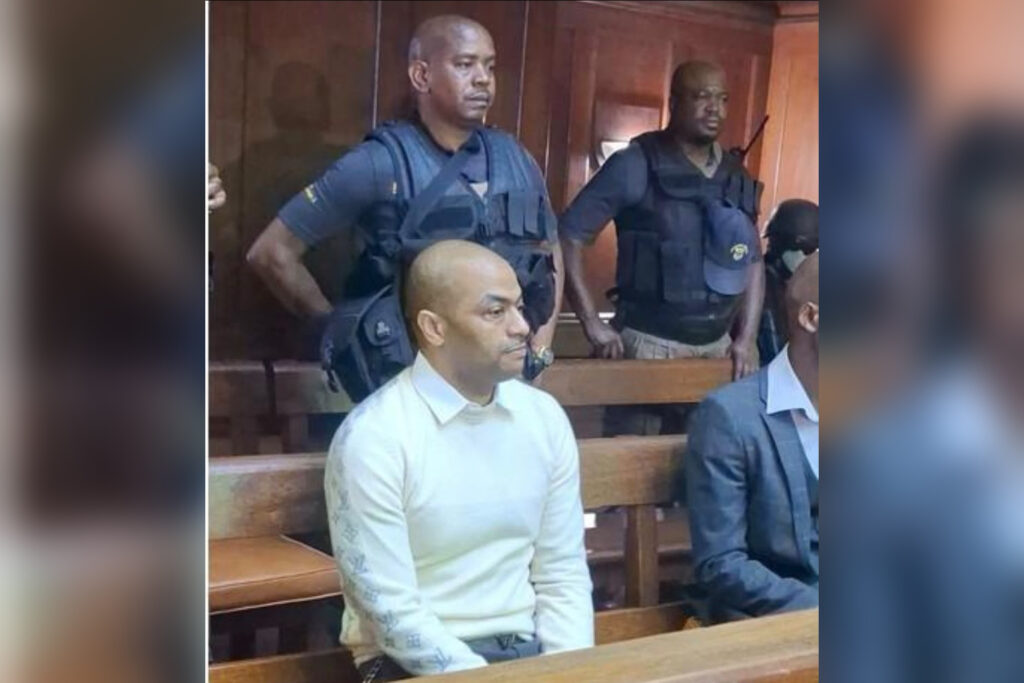
Convicted murderer and rapist Thabo Bester repeatedly tried to secure the personal attention of South Africa’s National Commissioner of Correctional Services, Makgothi Samuel Thobakgale, the Madlanga Commission has heard.
Thobakgale made the revelation while testifying before the Commission on Thursday, 17 September 2026, as he explained the risks posed by inmate influence and the importance of limiting inappropriate access to senior correctional officials.
“I can give an example of an inmate, Thabo Bester, who has tried a number of times to get my attention alone,” Thobakgale told the Commission.
The Correctional Services Commissioner said he did not agree to private one-on-one engagements with Bester.
Instead, he repeatedly directed Bester to the Department of Correctional Services’ established complaints and requests procedures.
“I’ve always referred him to the complaints and request processes and always insisted that it is better if a representation is put in writing and it is then referred to accordingly,” Thobakgale testified.
Why Thobakgale avoided meeting Bester alone
Thobakgale’s evidence came during questioning about the ability of inmates to influence officials throughout the correctional system.
He told the Commission that the opportunities for influence can begin with officials who have daily contact with inmates and potentially extend to more senior levels.
Thobakgale explained that a National Commissioner would only personally engage an individual inmate in exceptional circumstances, including where the inmate possesses information that could implicate correctional officials.
Even then, he said, such an interaction would not take place privately.
“For a national commissioner to put himself in a space of interacting with a specific inmate, it will be in instances where one is wanting to get specific information that might implicate officials and ensuring that that inmate is not intimidated,” he said.
“I always do that with my head of security. It’s not a one-on-one.”
Inmates can target officials, Commission hears
The Bester revelation emerged from a broader discussion about the vulnerability of the correctional system to inmate influence.
Thobakgale told the Commission that interaction between inmates and officials creates opportunities for influence at different levels.
He used the example of an inmate seeking access to a cellphone, saying such an inmate would have a greater opportunity to influence a security officer who has regular contact with prisoners than the National Commissioner.
Thobakgale told the Commission that the department manages approximately 167,000 inmates, while having around 18,000 security officers.
He said the scale of the prison population makes policing and monitoring interactions between inmates and officials extremely difficult.
“And that is what inmates are taking advantage of,” Thobakgale said.
The Commission raised the possibility that wealthy and influential inmates could attempt to target officials at the very highest levels of Correctional Services.
Thobakgale agreed that such attempts were possible.
Thabo Bester remains one of South Africa’s most notorious inmates
Bester’s name immediately carries significance in any discussion about security inside South Africa’s correctional system because of the extraordinary circumstances surrounding his escape from Mangaung Correctional Centre.
His escape and subsequent recapture triggered intense scrutiny of prison security, alleged assistance from inside the correctional system and the controls governing inmates’ access to people outside prison.
Thobakgale’s latest evidence does not suggest that Bester succeeded in obtaining a private meeting with him.
Instead, the National Commissioner’s testimony is that Bester repeatedly sought his personal attention and that those approaches were redirected into formal departmental channels.
The distinction is significant as the Madlanga Commission examines the broader question of how inmates can attempt to influence, compromise or obtain access to officials within the correctional system.
Thobakgale’s evidence continues before the Commission.
- Correctional Services Commissioner, correctional system, Department of Correctional Services, inmate influence, madlanga commission, Makgothi Samuel Thobakgale, Mangaung correctional centre, prison security South Africa, south africa crime, Thabo Bester, Thabo Bester Madlanga Commission, Thabo Bester prison escape