
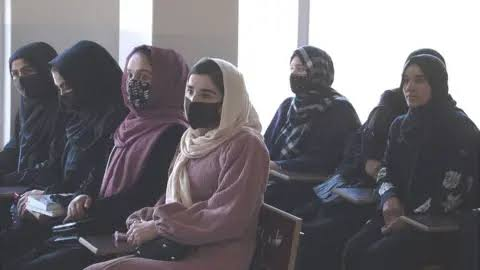
Afghan universities have been ordered to remove all books written by women as part of a sweeping new ban. The decision also prohibits teaching human rights, sexual harassment, and several other subjects deemed “against Sharia” by the Taliban.
The directive targets 680 books considered problematic, including 140 authored by women. Among the banned titles are academic works such as Safety in the Chemical Laboratory. In total, 18 subjects have been outlawed, six of which focus specifically on women, including Gender and Development, Women’s Sociology, and The Role of Women in Communication.
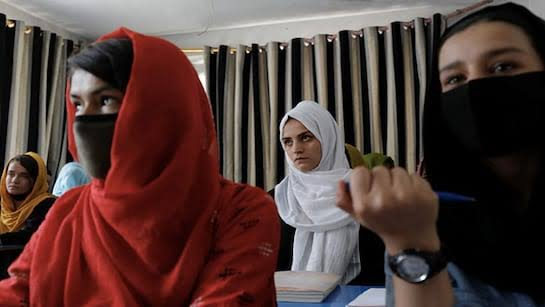
This move comes amid a broader clampdown on freedoms since the Taliban’s return to power four years ago. Women and girls have been most severely affected: they are already banned from studying beyond sixth grade, and even midwifery courses were quietly closed in late 2024.
Officials insist the curriculum changes align with their interpretation of Islamic principles. A panel of religious scholars and experts reviewed the books and issued the ban, which also extends to many works by Iranian authors or publishers. Authorities said this was meant to prevent “foreign influence” in Afghanistan’s education system.
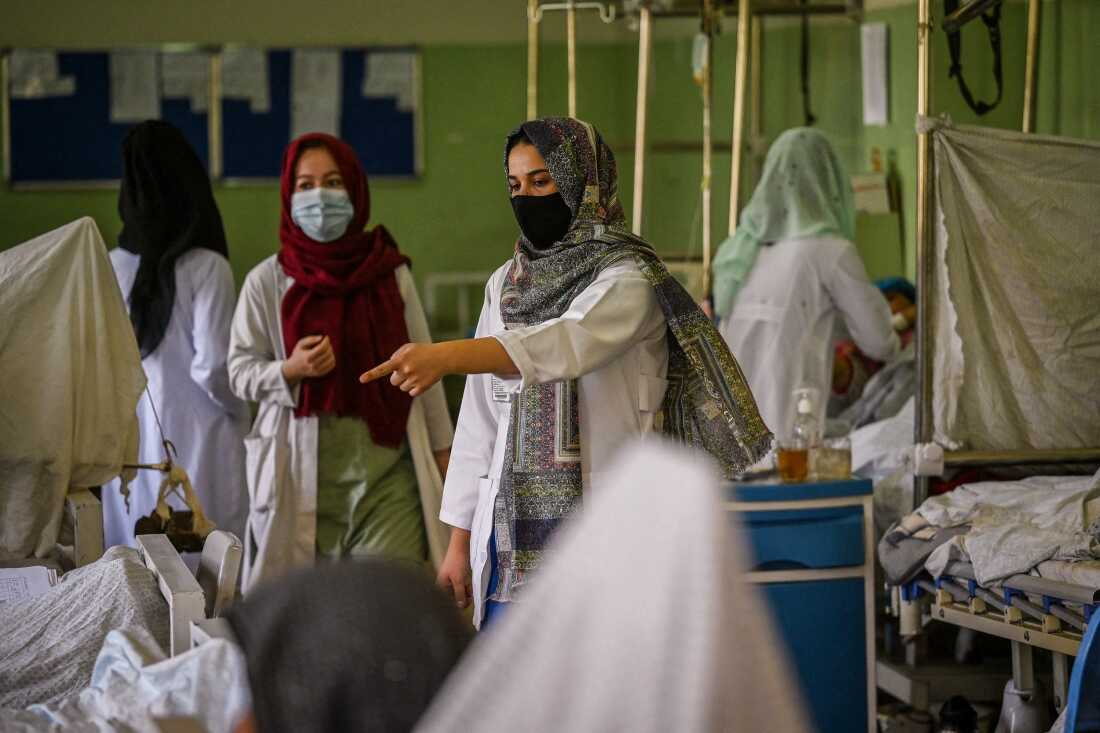
The ban has raised deep concerns among academics. Iranian literature and translations have long served as a key bridge between Afghanistan’s universities and global scholarship. With so many works now forbidden, some professors fear it will be nearly impossible to maintain academic standards.
“We are left to write our own chapters under strict restrictions,” said one lecturer, noting that this creates a serious gap in higher education.
The changes highlight the growing isolation of Afghan universities, leaving students with fewer opportunities and resources, while deepening the exclusion of women from public and academic life.