
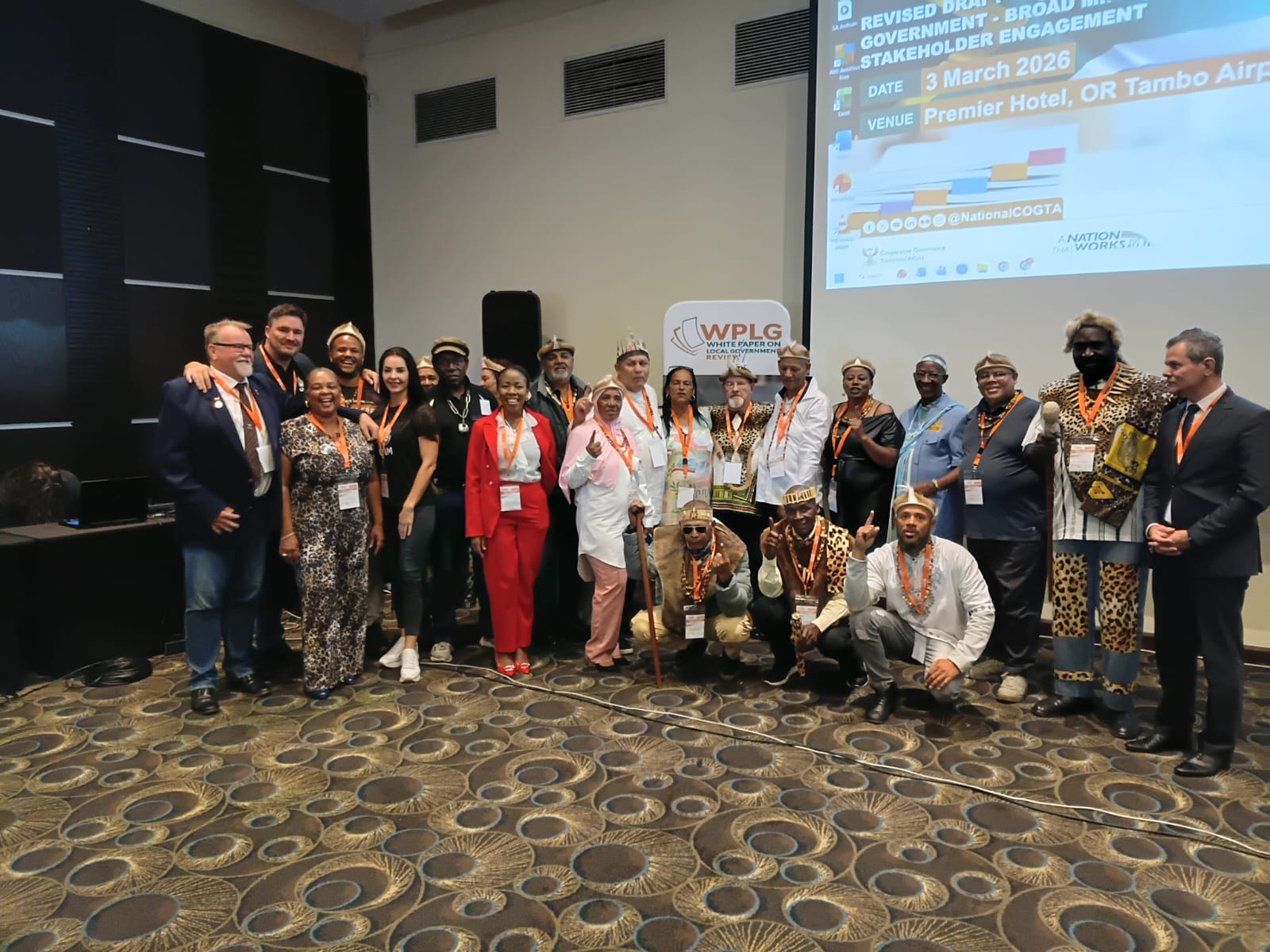
On 3 March 2026, over 400 people from all walks of life gathered at the Premier Hotel near OR Tambo Airport for what was meant to be a key public consultation on the government’s draft Revised White Paper on Local Government. The event was hosted by Minister of Cooperative Governance and Traditional Affairs, Velenkosini Hlabisa, under the hopeful theme “Every Municipality Must Work: A Call to Collective Action.”
This group comprised with government ministers and deputy ministers, MPs, directors-general, the president of SALGA, political party leaders, traditional leaders, NGOs, civic groups, and everyday citizens. Among them were representatives from the Progressive Forces of South Africa, including President Mthetho Ngcukayithobi, Deputy President Thabiso Makwela, National Strategist Bonang Sepoloane, and Secretary Lebogang Shovhote who also spoke as a concerned resident of Midrand.
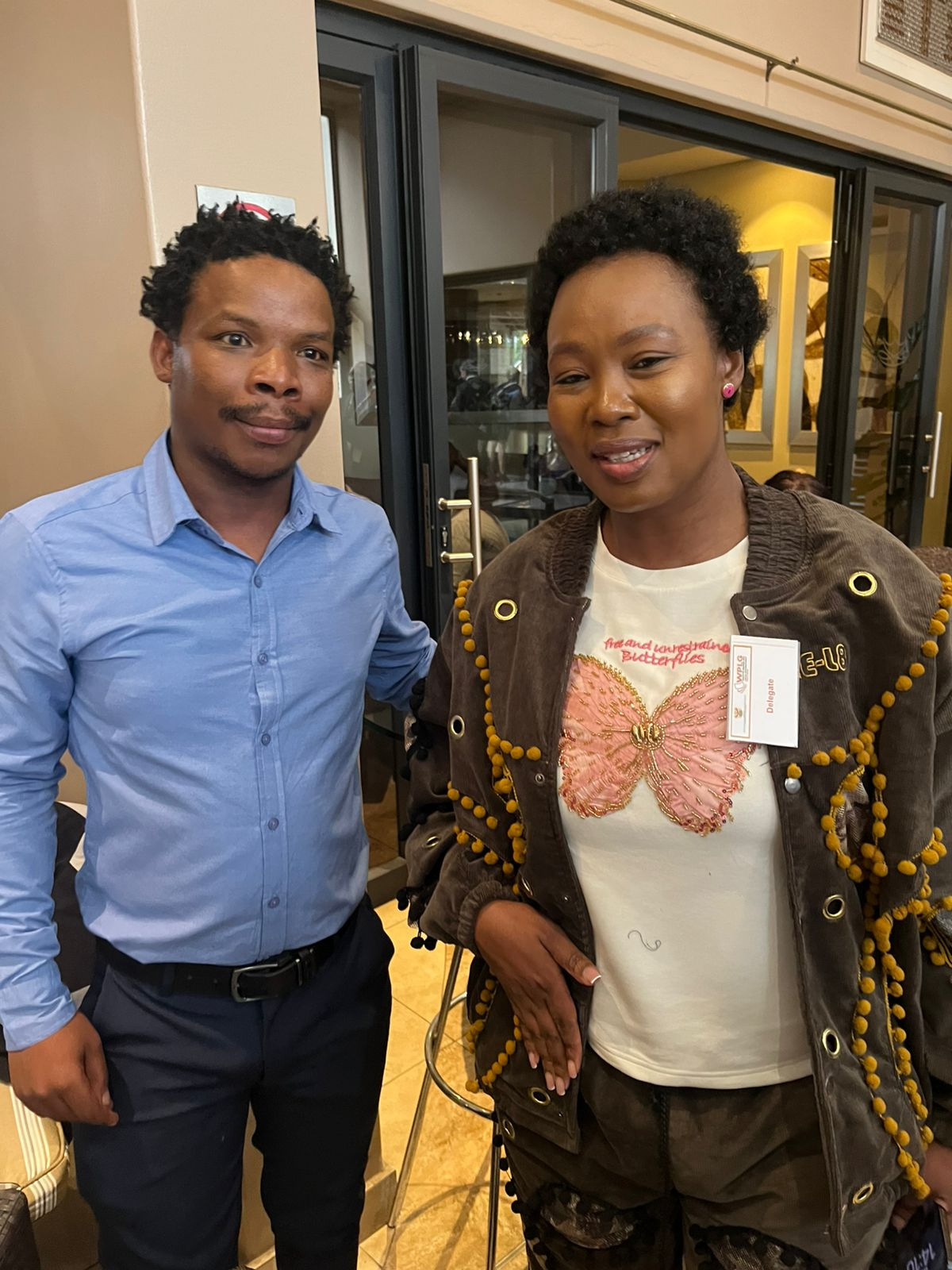
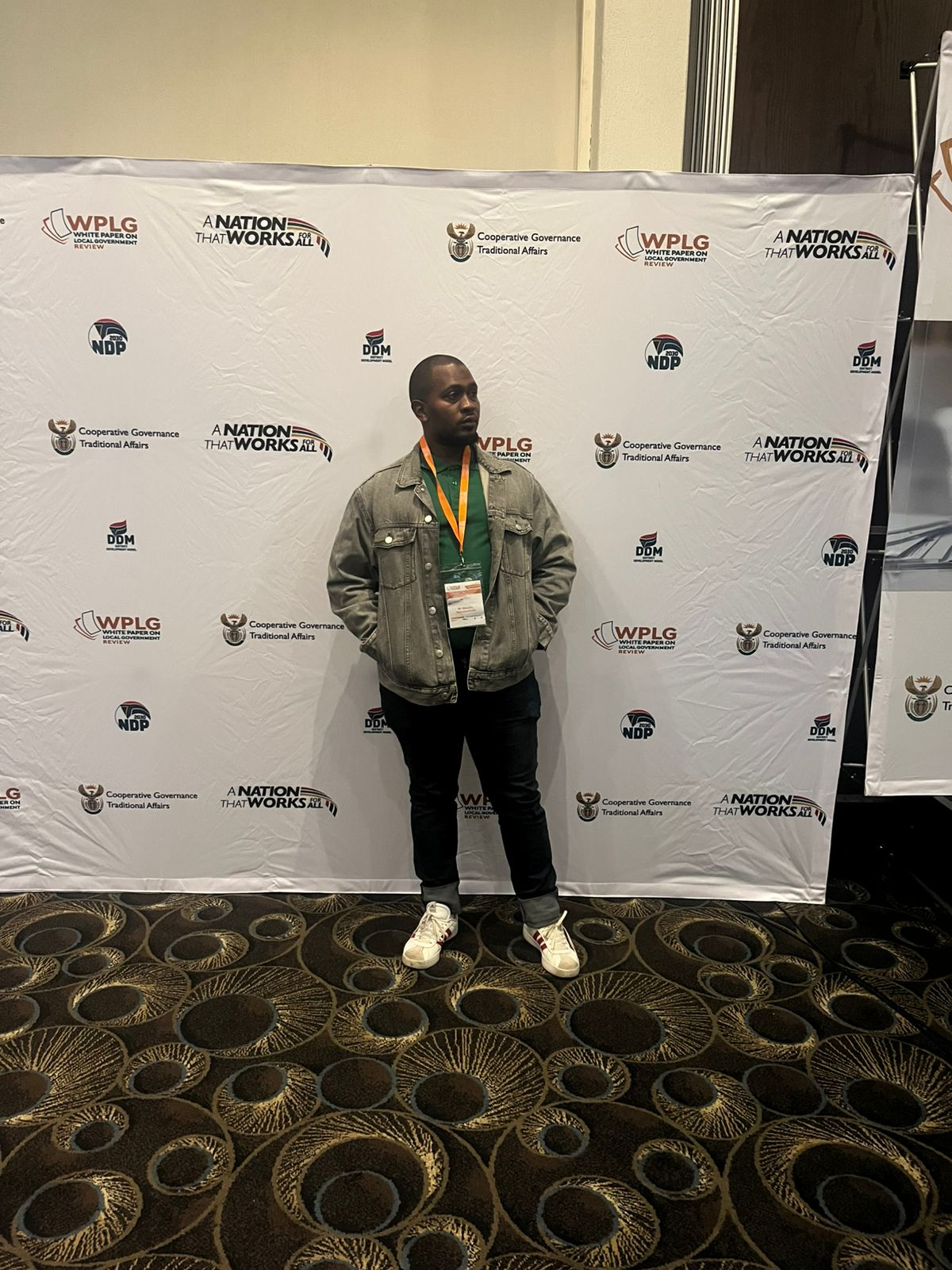
A standout attendee was Melisizwe Mayibuye Mandela, great-grandson of Nelson Mandela and the newly appointed Gauteng spokesperson for King Buyelekhaya Dalindyebo of the AbaThembu Royal House.
But what started as a promising dialogue quickly turned sour. Many participants left deeply frustrated, feeling the draft white paper still needs massive work to truly reflect the voices and realities of South Africans.
The biggest flashpoint came early: Minister Hlabisa delivered welcoming remarks but then left the venue shortly afterwards. This sparked sharp criticism, with Melisizwe Mandela openly accusing the process of showing disrespect. He pointed out the irony of inviting the public to consult, only for key government figures to miss the real discussions.
Bonang Sepoloane didn’t hold back either, arguing that the draft white paper confirms a long-standing lack of respect from government toward traditional leadership.
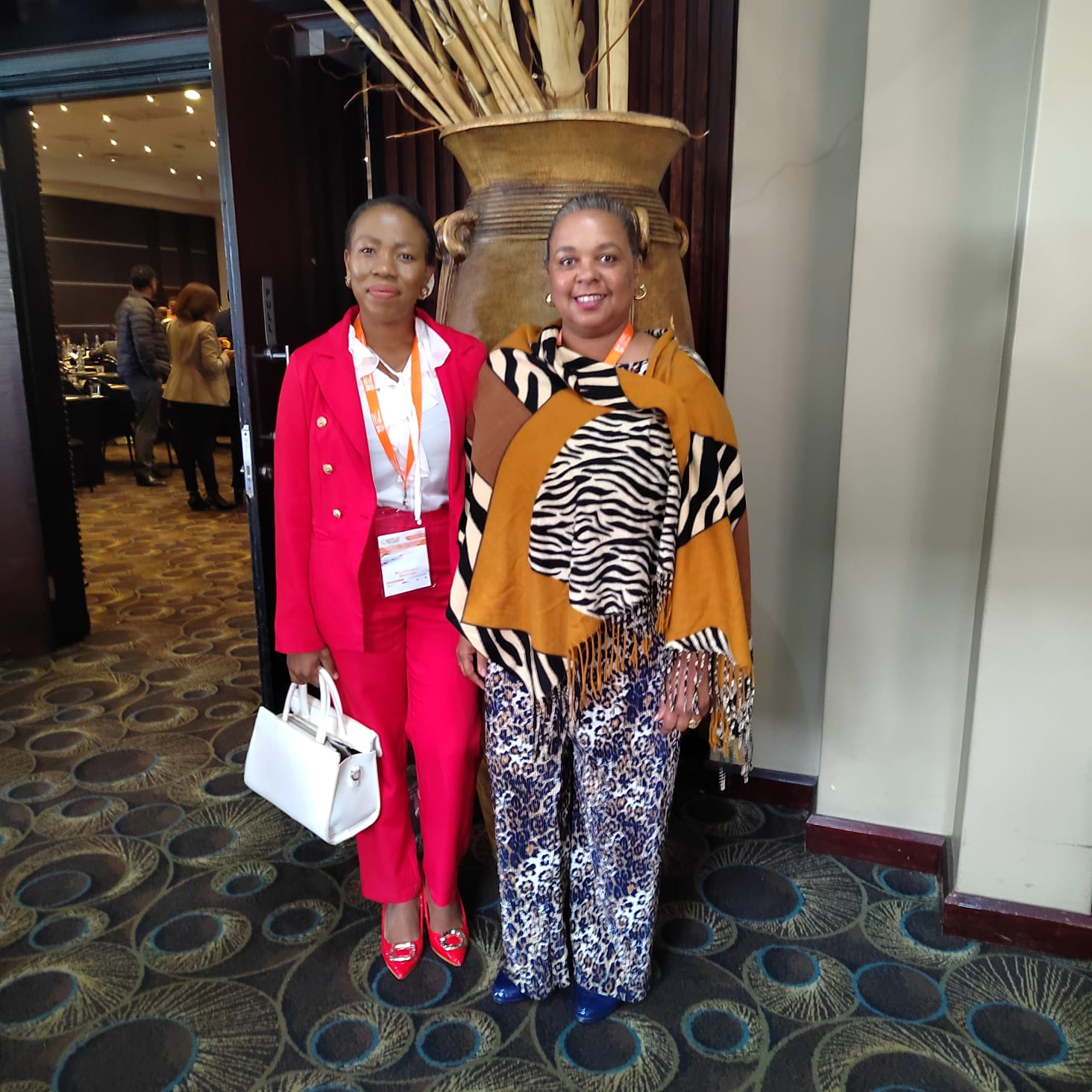
Lebogang Shovhote was equally blunt. She slammed the document for being available only in English, calling it an “appalling” barrier for indigenous traditional leaders who are forced to debate laws in a language once tied to oppression. She pushed hard for depoliticising councillor roles, cutting political meddling in municipal jobs, and tackling illegal immigration. As a Midrand local, she also spotlighted the area’s ongoing water supply headaches, a problem that resonated with many others in the room.
Tensions boiled over again when Fatima Abdool from the United Independent Movement challenged the programme director on fair speaking time. After a heated back-and-forth, she got the floor and powerfully highlighted how coloured communities in places like Eersterus, Noordgesig, and Eldorado Park continue to feel sidelined in local governance decisions.
The Gauteng water crisis came up repeatedly, with speaker after speaker echoing the same urgent concerns about failing service delivery.
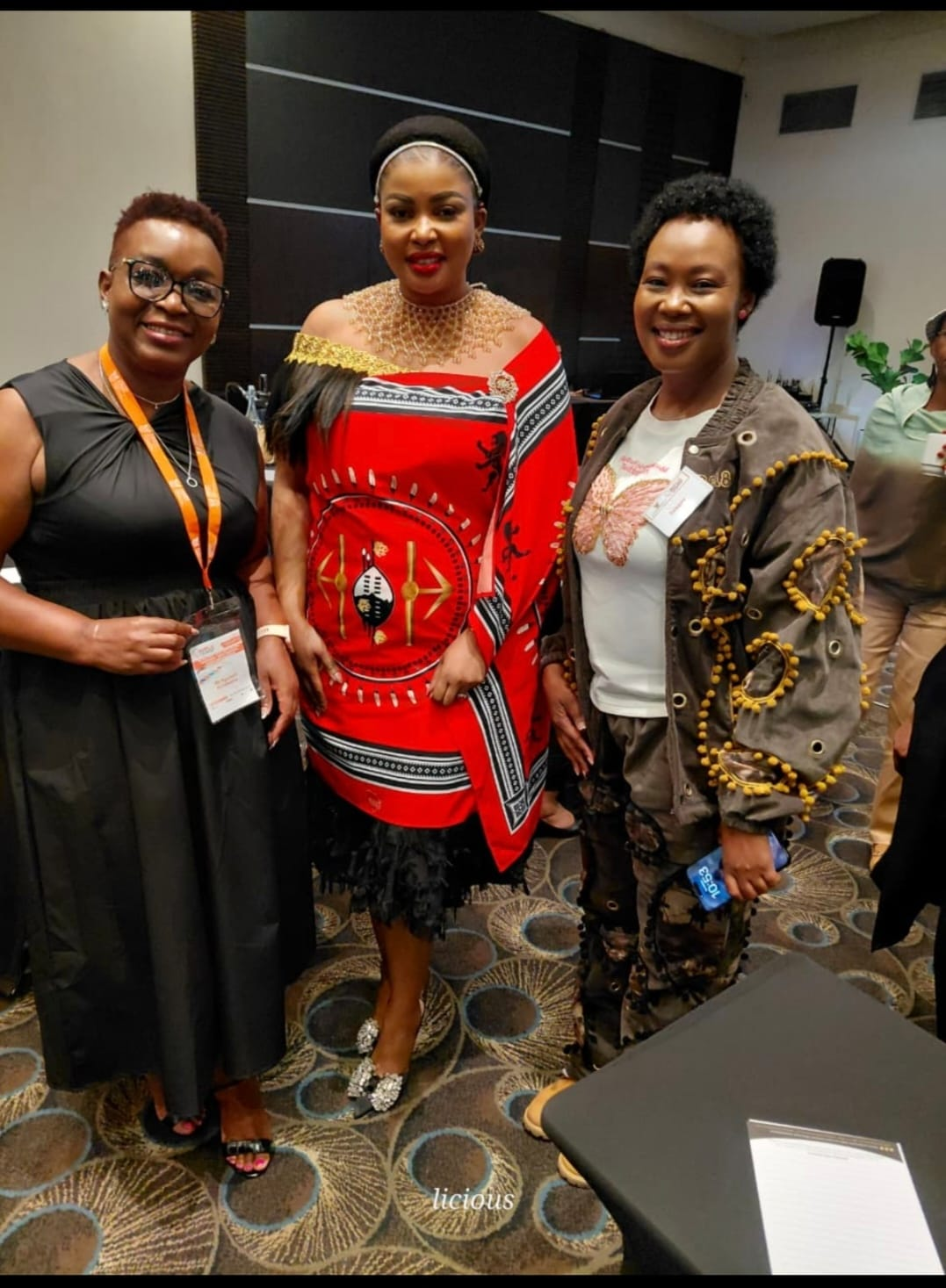
By the end, the message from the floor was unmistakable: this draft needs to be fundamentally reworked. Participants demanded far more genuine, inclusive engagement moving forward, real listening, not just box-ticking consultations.
The consultation laid bare deep frustrations with local government reform efforts. While the goal of making every municipality work remains widely shared, yesterday’s gathering showed there’s still a long road ahead to build trust and get the policy right.