
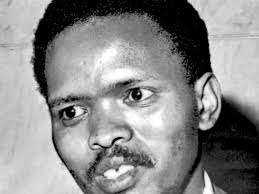
Nearly half a century after the brutal death of Steve Biko, South Africa is reopening the inquest into how the anti-apartheid activist and founder of the Black Consciousness Movement lost his life in police custody.
The new inquest will begin on Friday, September 12, at the Gqeberha High Court—the same date Biko died in 1977 after enduring days of torture at the hands of apartheid’s Special Branch police.
Biko, only 30 at the time, was arrested on August 18, 1977, alongside comrade Peter Jones for breaking his banning order that confined him to King Williamstown. He was detained in Gqeberha, where he was allegedly shackled, beaten, and kept naked in a cell. After weeks of mistreatment, he collapsed and was transported—still naked and unconscious—in the back of a police Land Rover to Pretoria, more than 1,200 kilometers away. He died days later from severe brain injuries and organ failure.
The original inquest, held in November 1977, cleared both the police officers accused of torture and the doctors who failed to intervene. Magistrate MJ Prins accepted the police’s claim that Biko had injured himself during a scuffle, and in 1978 prosecutors declined to pursue charges.
But decades later, during the Truth and Reconciliation Commission hearings in 1997, several former Special Branch officers admitted to fabricating their statements and colluding to cover up the real circumstances of his death.
The National Prosecuting Authority says the purpose of reopening the case is to present new evidence so the court can finally determine whether Biko’s death was caused by criminal acts or omissions. For Biko’s family and many South Africans, the reopening represents not just a legal process but also a renewed search for truth and justice in one of the darkest chapters of the country’s history.