
The South African Church Defenders (SACD) have launched a high stakes legal challenge against the CRL Rights Commission, warning that the commission’s proposed self regulatory framework for churches threatens constitutional freedoms and opens the door to state control of religion.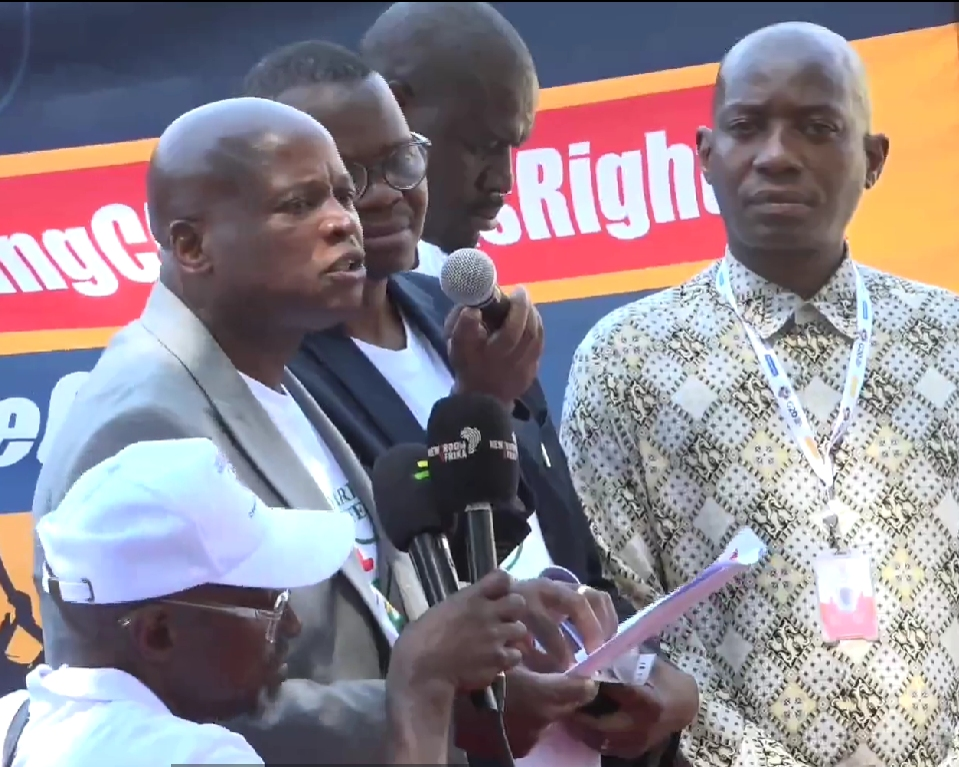
Speaking at a media briefing, SACD leaders confirmed that they have filed papers in the Gauteng High Court, where they are seeking urgent relief against what they describe as unlawful and unconstitutional actions by the commission.
Legal Challenge Explained
SACD says its court case is not about avoiding accountability or protecting wrongdoing within churches. Instead, the organisation argues that it is acting to defend constitutional democracy, the rule of law, and the fundamental right to freedom of religion.
At the centre of the dispute is a Section 22 Committee established by the CRL Rights Commission. SACD is asking the court to declare that the creation of this committee was unlawful, that all its actions are invalid, and that it must be disbanded.
The organisation is also challenging the CRL’s communication with state security structures, which allegedly labelled charismatic churches as a domestic threat. SACD says this claim is false, reckless, and has caused unnecessary fear and division within religious communities.
Constitutional Rights at Stake
According to SACD, the draft framework violates multiple sections of the Constitution, including protections for freedom of religion, freedom of association, and the collective rights of religious communities.
They argue that churches must be free to worship, teach, discipline, and govern themselves without interference from the state. SACD also raised concerns that the framework breaches the principle of equality by singling out churches for special regulation not imposed on other civil society organisations.
Although the CRL has described the framework as voluntary, SACD says the inclusion of registration requirements, accreditation standards, and a so called seal of good standing creates indirect pressure on churches to comply.
Fears of State Driven Regulation
SACD warned that the framework amounts to state driven regulation of religion through indirect means. They pointed to clauses that propose future legislation to establish a state appointed and state funded body with broad powers over the religious sector.
According to SACD, a Section 22 Committee has no authority to legislate, enforce rules, or regulate churches. Its role is limited to research, consultation, and advice.
The organisation says the draft framework goes far beyond this mandate by attempting to dictate how churches should organise themselves, appoint leaders, manage finances, and govern their internal affairs.
Warning Against Abuse of Power
SACD leaders warned that South Africa must never become a country where the state decides who may hear from God, who may start a church, or how faith should be practised.
They also cited international examples, including Rwanda, Angola, Russia, and China, where increased state control over religion has led to church closures and suffering among believers.
What SACD Is Demanding
SACD says it fully supports the enforcement of criminal law where abuse or corruption occurs, noting that South Africa already has adequate legal mechanisms to deal with crimes such as fraud, assault, and sexual abuse.
However, the organisation rejects any additional regulatory regime imposed specifically on religious communities.
In its court application, SACD is seeking to halt what it describes as unlawful conduct by the CRL Rights Commission and to ensure that religious freedom in South Africa remains real, meaningful, and protected.
The organisation insists that churches must remain free to practise their faith, govern themselves, and operate without state interference.