
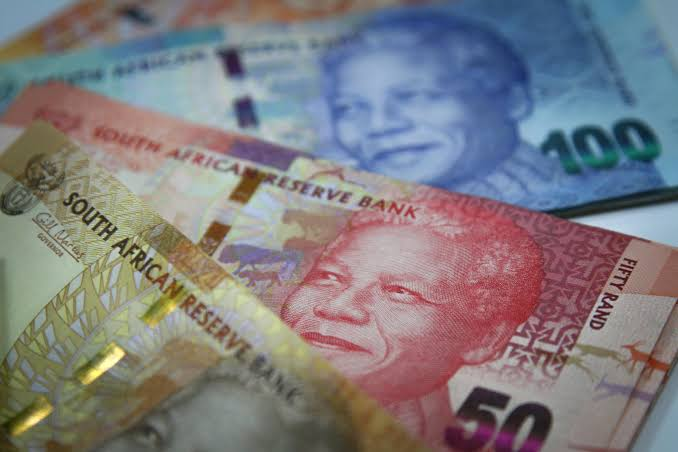
South Africa’s currency has delivered a rare dose of good news, climbing past the R16-per-dollar mark for the first time in almost four years. The rally comes as investors increasingly turn away from the US dollar and look to emerging markets, precious metals, and higher-yielding assets for better returns.
On Monday, the rand strengthened by as much as 0.8%, trading at around R15.99 to the dollar, its best performance since June 2022. The currency has already gained more than 3% this year, building on a strong 14% rise in 2025.
Analysts say the rally is being driven by a mix of global and local factors. Globally, the US dollar has been weakening amid concerns over trade tensions, rising debt, and questions about the independence of the US Federal Reserve. This has encouraged investors to shift funds into emerging-market currencies like the rand.
At the same time, soaring precious-metal prices have played a major role. Gold surged above $5,000 for the first time, while platinum. South Africa’s largest single export also hit record highs. Because the rand often moves in step with commodity prices, the metals rally has added fresh momentum to the currency.
Local conditions have also helped. Improved political stability and strong demand for South African assets have boosted foreign investor confidence, making the country more attractive in a turbulent global environment.
The positive mood wasn’t limited to the currency market. Government bonds rallied, with the yield on South Africa’s 10-year bond falling to about 8.1%, its lowest level in more than 20 years. Meanwhile, the local stock market reached a new record, led by gains in mining shares.
Looking ahead, many investors believe the rand still has room to strengthen in 2026. Some forecasts suggest it could reach around R15.60 to the dollar by the end of the year, provided global conditions remain supportive and commodity prices stay strong.
For now, the rand’s surge marks one of its strongest stretches in years and a rare moment of optimism for South Africa’s financial markets.