
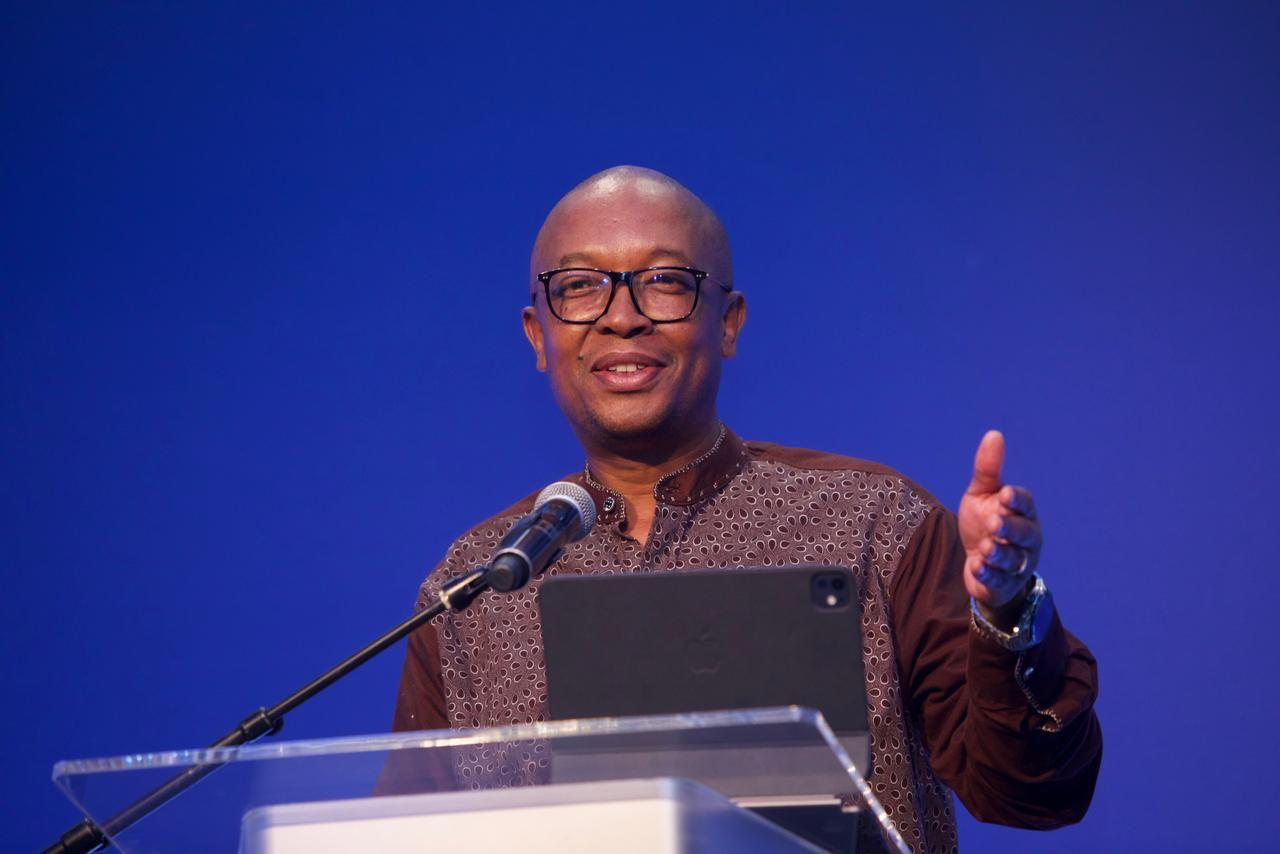
South Africa’s industrial future depends on bold decisions and strong partnerships. That was the central message from Trade, Industry and Competition Minister Parks Tau as he addressed business leaders at the Sasol Engagement Dinner in Cape Town.
Tau made it clear that collaboration between government and the private sector will determine whether the country successfully navigates its economic transition. He said South Africa must embrace a low-carbon industrial policy that not only tackles climate challenges but also attracts global investment, opens new markets and protects local industries.
According to the minister, the move towards cleaner energy is not just about cutting emissions — it is also about rebuilding and strengthening the country’s industrial base.
“If we build the energy system of the future, mobilise capital at scale and secure our position in the global critical minerals economy, we will not only decarbonise — we will reindustrialise,” Tau said.
He highlighted Sasol’s strategic position in this transition, noting that the company operates at the crossroads of energy, chemicals, fuels and advanced manufacturing. This, he said, places both responsibility and opportunity on its shoulders.
Tau stressed that government is ready to work hand in hand with industry players to turn the current period of change into a launchpad for growth, competitiveness and job creation.
He acknowledged that the transition will not be simple. South Africa needs reliable electricity that is both green and affordable. While many sectors can move toward electrification, some heavy industries cannot easily do so. For those sectors, sustainable fuels that are cost-effective at scale will be essential.
The minister also called for better coordination, transparency and long-term policy certainty to give investors confidence. He said collaboration must go beyond local partnerships and include stronger international ties — deepening trade dialogue with the United States, strengthening cooperation with China and expanding engagement with the European Union through clean trade and investment initiatives.
Tau pointed to major opportunities ahead, including large-scale investment in renewable energy, energy storage, high-voltage transmission infrastructure and gas-to-power projects. Liquefied natural gas, he added, is expected to play an increasingly important role in South Africa’s industrial strategy beyond 2028.
In his view, the choices made now will shape whether South Africa emerges from the global energy transition as a stronger, more competitive industrial economy.