
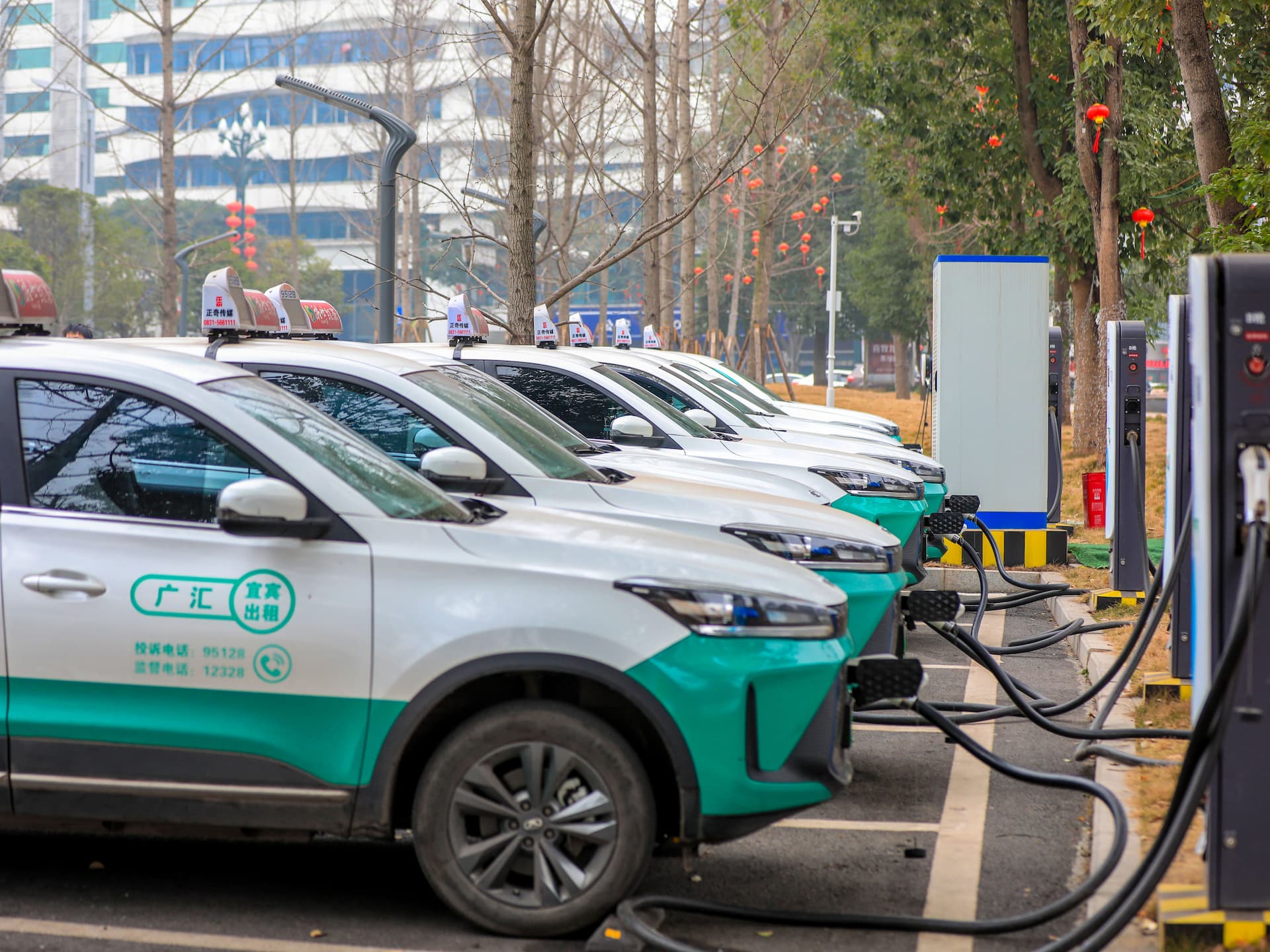
Nigeria has officially approved China’s plans to establish electric vehicle (EV) factories in the country, marking a significant step in industrial and economic collaboration between the two nations.
During a courtesy visit to the Minister of Solid Minerals Development, Dr. Dele Alake, the Chinese Ambassador to Nigeria, Yu Dunhai, highlighted China’s interest in helping Nigeria tap into its vast mineral wealth—especially lithium—to drive electric vehicle production.
Ambassador Dunhai stressed the importance of building a stronger partnership, recalling the recent meeting between Presidents Bola Tinubu and Xi Jinping, where both leaders agreed to deepen bilateral ties and advance strategic cooperation.
In response, Minister Alake expressed Nigeria’s readiness to welcome serious investors, particularly those committed to full-cycle operations—meaning extraction, processing, and manufacturing all within Nigeria. He emphasized that the era of exporting raw minerals without local value addition is over.
“With our lithium reserves, we want to see electric vehicles and batteries made here in Nigeria,” Alake said. “It’s time our resources fuelled our own development, not just foreign industries.”
Ambassador Dunhai confirmed that plans are underway, with Chinese companies already active in Nigeria’s mining sector and now looking to expand into EV manufacturing. He also reassured Nigerian officials of China’s commitment to legal and ethical practices, pledging support for Nigeria’s crackdown on illegal mining.
Minister Alake acknowledged that while most Chinese companies follow the rules, a few have engaged in misconduct. He pointed to a recent video showing a Chinese national allegedly bribing security officials and called for China’s cooperation in bringing such offenders to justice.
The ambassador responded by reaffirming China’s zero-tolerance policy toward illegal operations and pledged continued collaboration to ensure lawful and sustainable investment in Nigeria’s mining and manufacturing sectors.
This development is expected to boost Nigeria’s industrial growth, create jobs, and reduce dependence on fossil fuels through the local production of electric vehicles.