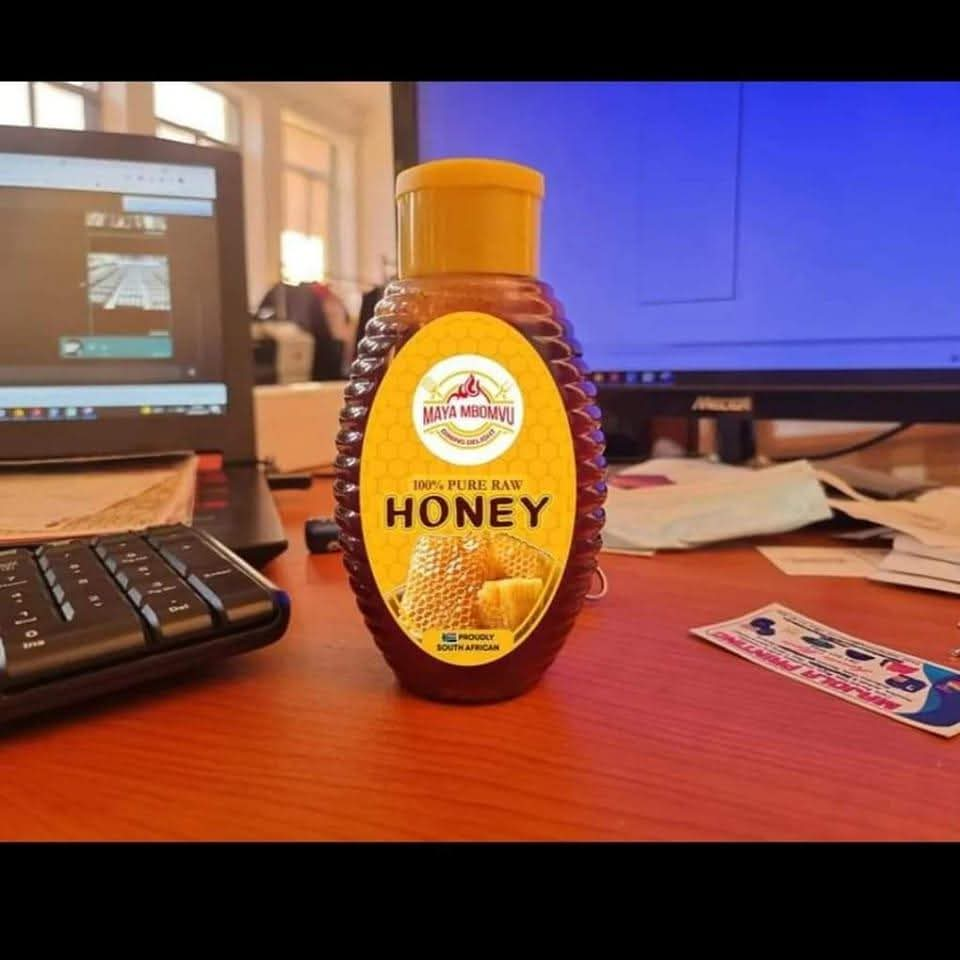
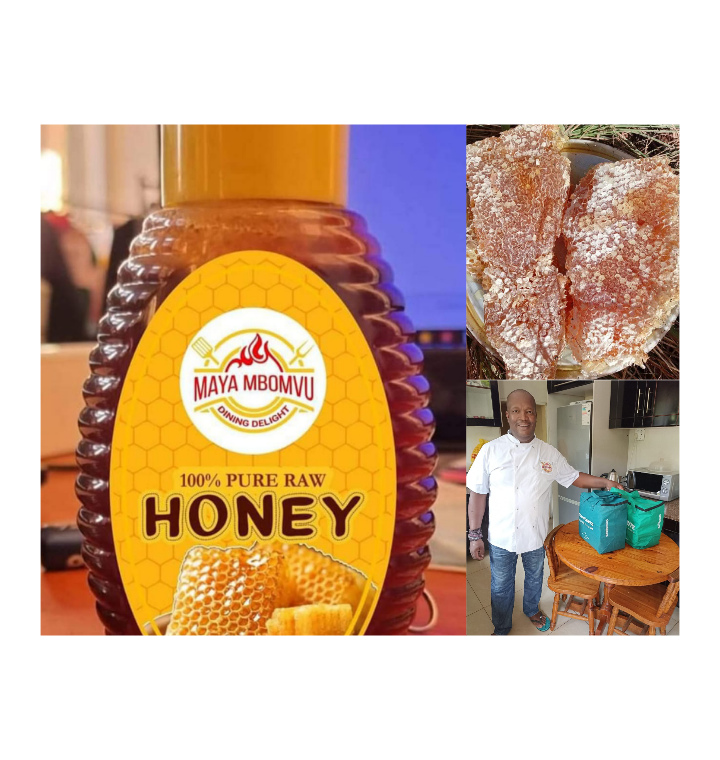
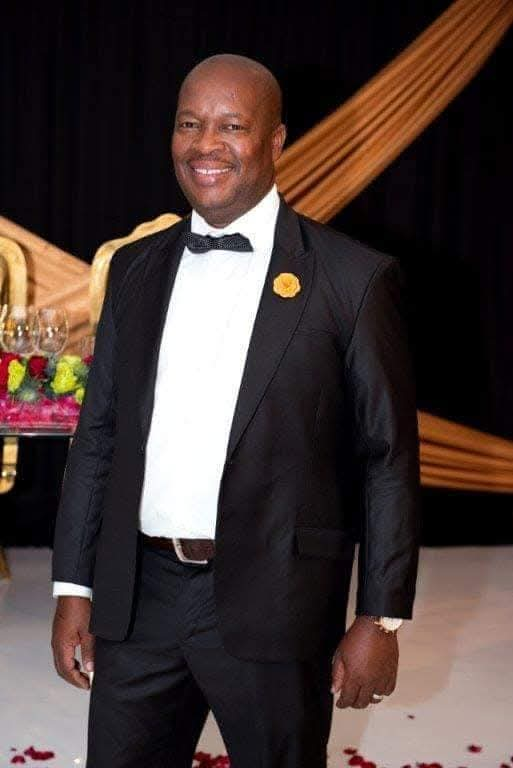
 Mhlekiseni Bulelane Ngubane from Umlazi, south of Durban in KwaZulu Natal, has turned his lifelong love for bees into a growing honey business.
Ngubane is the proud owner of Maya Mbomvu Dining Delight, a small enterprise that produces and sells honey directly to customers in the township.
His passion for honey began during his childhood in rural areas where hunting for bee nests was a common activity among young boys.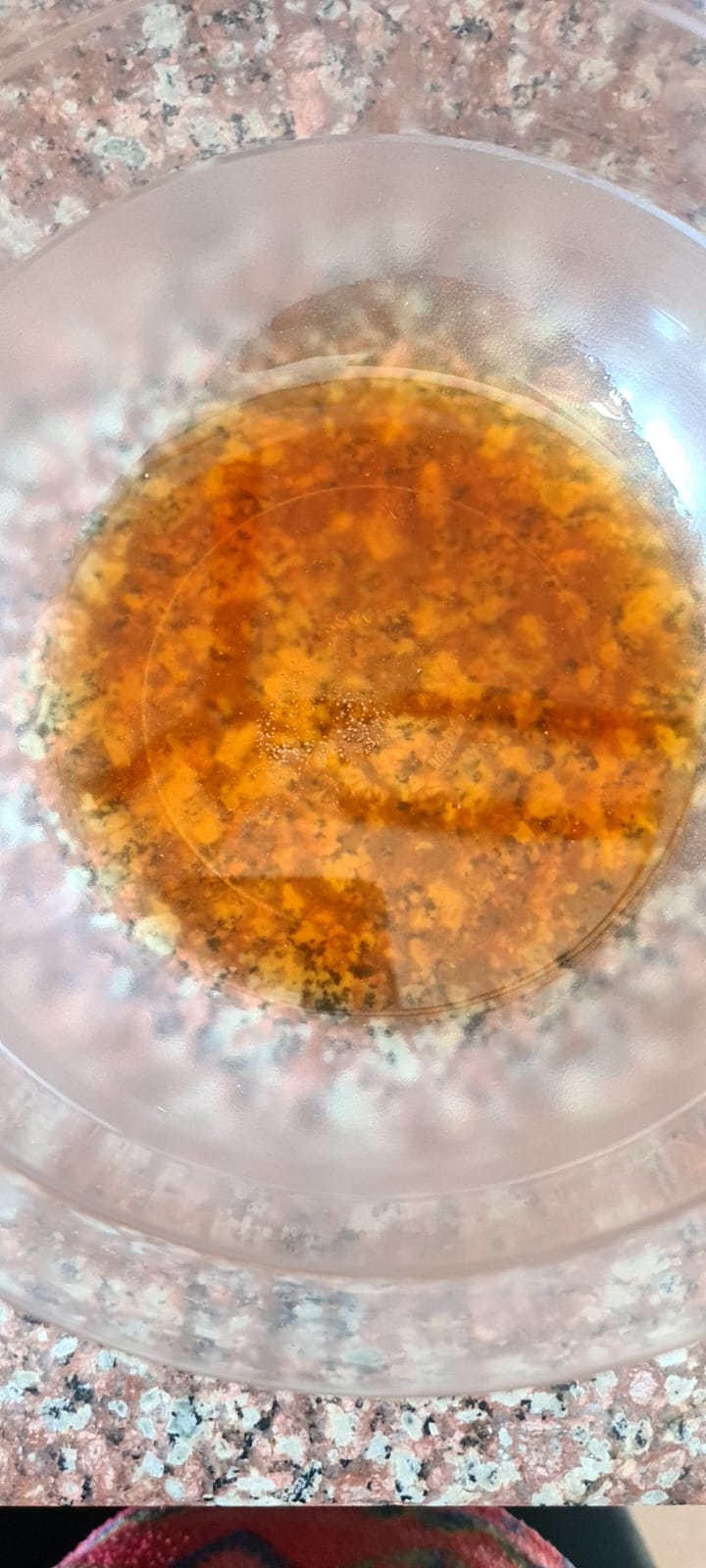
“It started when I was still very young because I always loved honey,” Ngubane said.
“Around 2000 and 2001 I used to pass through areas such as Mshwathi and Mpophomeni in the Midlands of KwaZulu Natal. I would see young boys standing by the roadside selling honey cakes. I became curious and asked them where they got the honey from. They told me they would go out hunting for bee nests, especially during winter, and store the honey to sell the following morning.”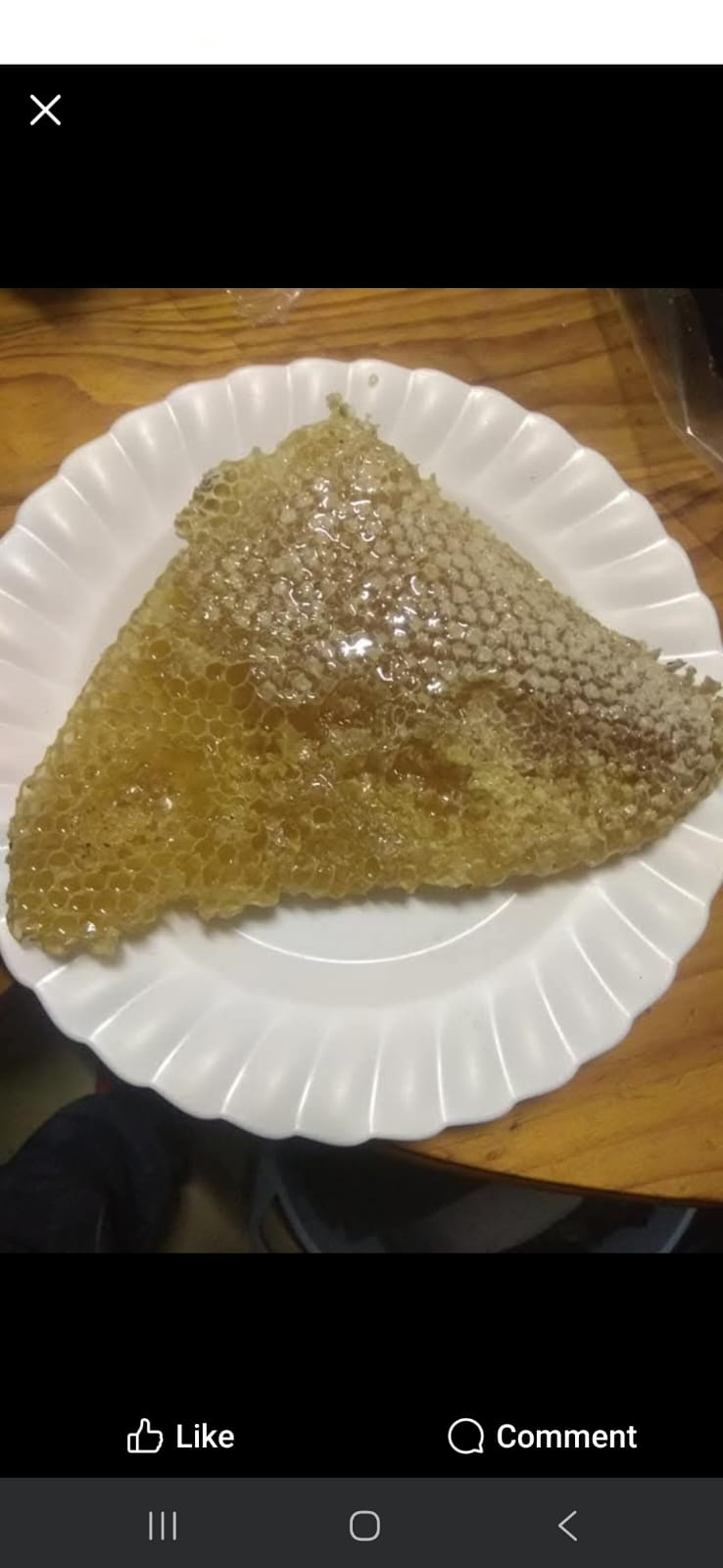
Inspired by what he saw, Ngubane began buying honey cakes from the boys and taking them home to process and store safely before selling the honey in his community.
“It started when I was young because I always loved honey.”
“The idea started there. I began buying the honey cakes and taking them home. I would process the honey and sell it around the township. I also deliver directly to people’s homes whenever they call and request it. Instead of going to the mall, customers can order honey directly from the provider,” he explained.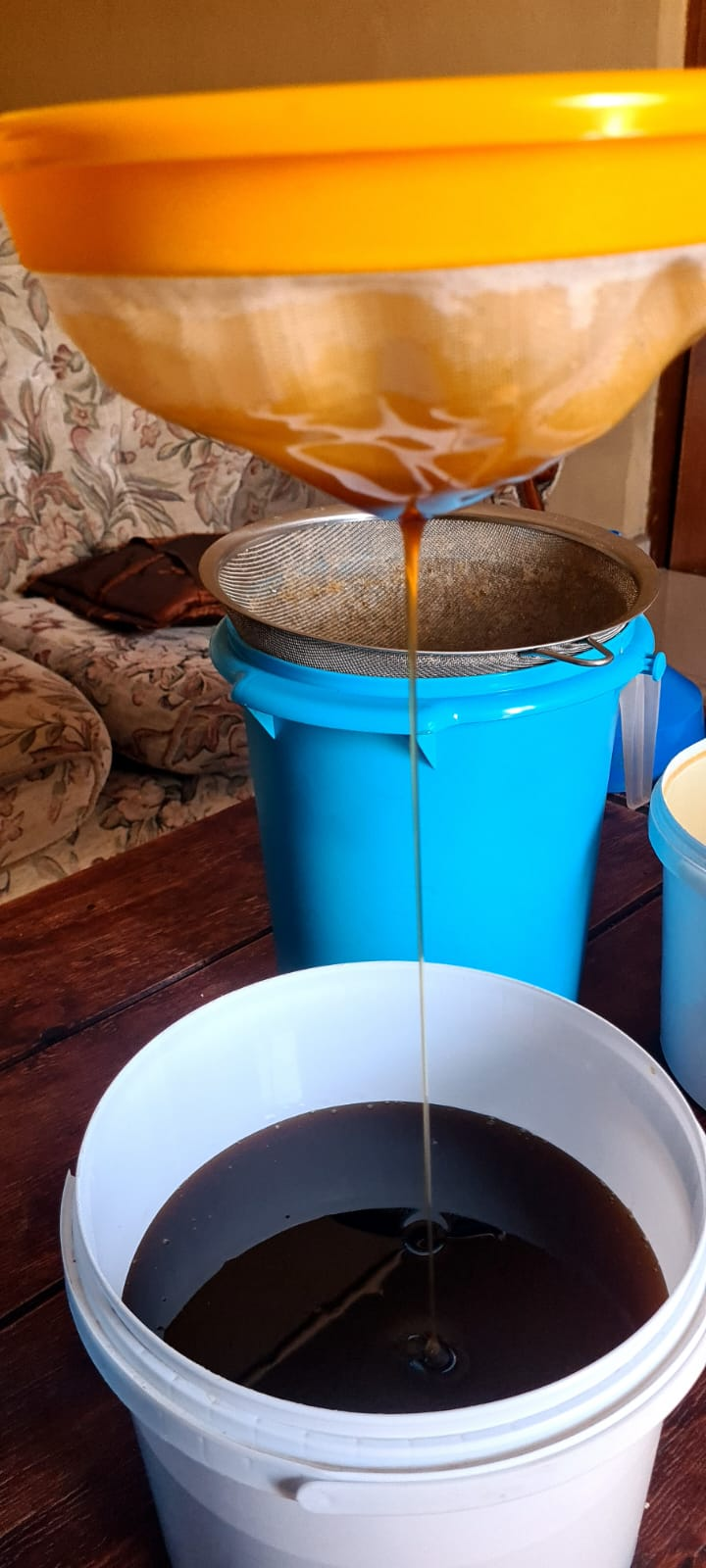
Ngubane says preparing the honey requires patience and a careful process to ensure quality.
“When I prepare the honey, I first heat the honey cakes in a pot until they melt and boil. After that I filter the honey three times to remove impurities. Once it cools down, I remove the remaining honey cake and continue with the filtering process before pouring the honey into 500 gram containers,” he said.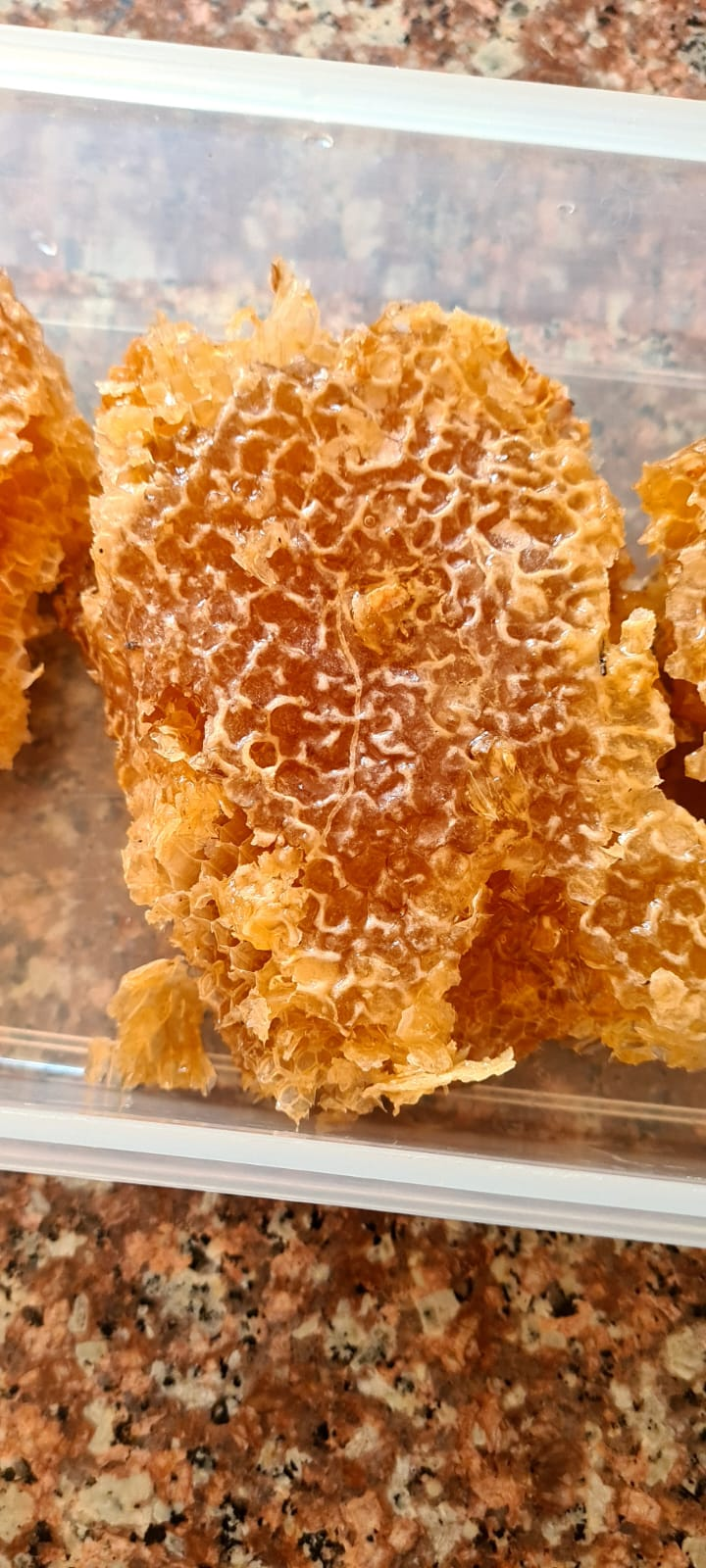
He currently sells each 500 gram container for R100.
Ngubane says he is funding the business himself while working another job and hopes to grow the enterprise in the future.
“For now I am running the business from the back of my house and I have not yet employed anyone. I usually order about 20 litres of honey at a time,” he said.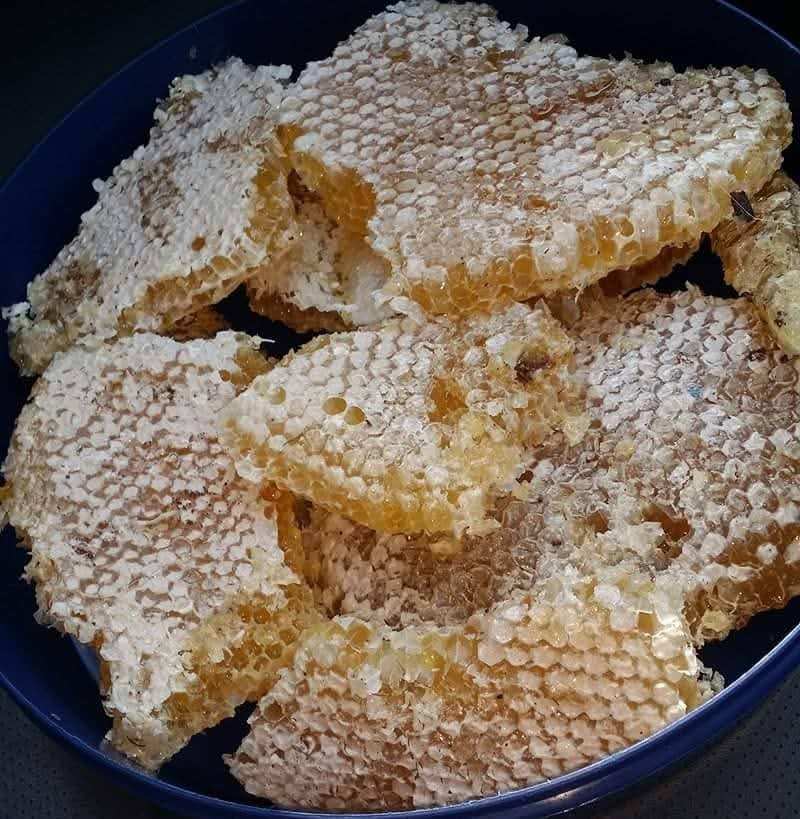
Despite its small scale, Ngubane believes the business has the potential to expand as more people begin to support locally produced honey.