
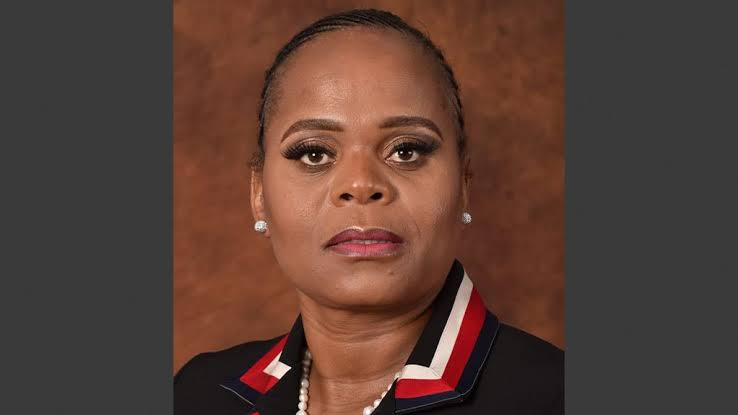
In a heartfelt opening to her State of the Province Address at the Limpopo Legislature’s Jack Botes Hall on March 5, 2026, Premier Dr. Phophi Ramathuba greeted the gathering in multiple local languages—Ndi Matsheloni! Thobela! Avuxeni! Silotshile! Gooie More! Good Morning! before sharing the heavy burden weighing on the province.
She described a province usually known for enduring drought and tough soil, now grappling with unprecedented flooding, the worst in the 25 years since the 2000 floods. “We stand here with one eye full of hope and intentions, while the other is wiping tears,” she said, capturing the mixed emotions of resilience and grief.
The troubles began around Christmas 2025 in areas like Modimolle-Mookgophong in Waterberg and Blouberg in Capricorn, where what seemed like a normal storm turned ferocious, destroying homes, claiming lives, flooding roads, and washing away freshly planted fields. Then, in early January 2026, heavy rains from the Mozambique Channel pounded the north-east, hitting hardest in places like Bennde Mutale, Thulamela, Giyani, Collins Chabane, and Ba-Phalaborwa.
Rivers such as the Mutale, Luvuvhu, Klein Letaba, Letaba, Selati, and Lepelle swelled dramatically, carrying trees and debris that blocked bridges and turned routes into barriers cutting people off from work, schools, and medical care.
The premier highlighted the tragedy in Mbaula village in Greater Giyani Municipality, which became a heartbreaking symbol of the floods’ power. Villages woke to find homes gone entirely. In one desperate moment, a woman climbed a tree to get phone signal and alert the Mopani Disaster Management Centre, leading to rescues through community bravery and help. But the losses were painful: a five-year-old boy was swept away from his mother as she clung to a tree branch for safety. Stories like a mother and teenage daughter stranded for days while fetching firewood, only to be saved on the third day, underscored both the terror and the miracles amid the chaos.
Premier Ramathuba emphasized Limpopo’s spirit of botho (humanity and community) that endures: “Even when the river rises, the calabash still floats. Even when the wind tears the roof, the home of botho remains.” She quoted a local saying: “Metsi a tlisa bophelo, eupša ge a feta moedi a tliša bohloko” (Water brings life, but when it overflows its banks, it brings pain).
The address acknowledged the widespread calls for help, the solidarity of rescuers, and the province’s determination to rebuild stronger, even as the premier noted this wasn’t the usual progress report but a moment to confront the disaster head-on.