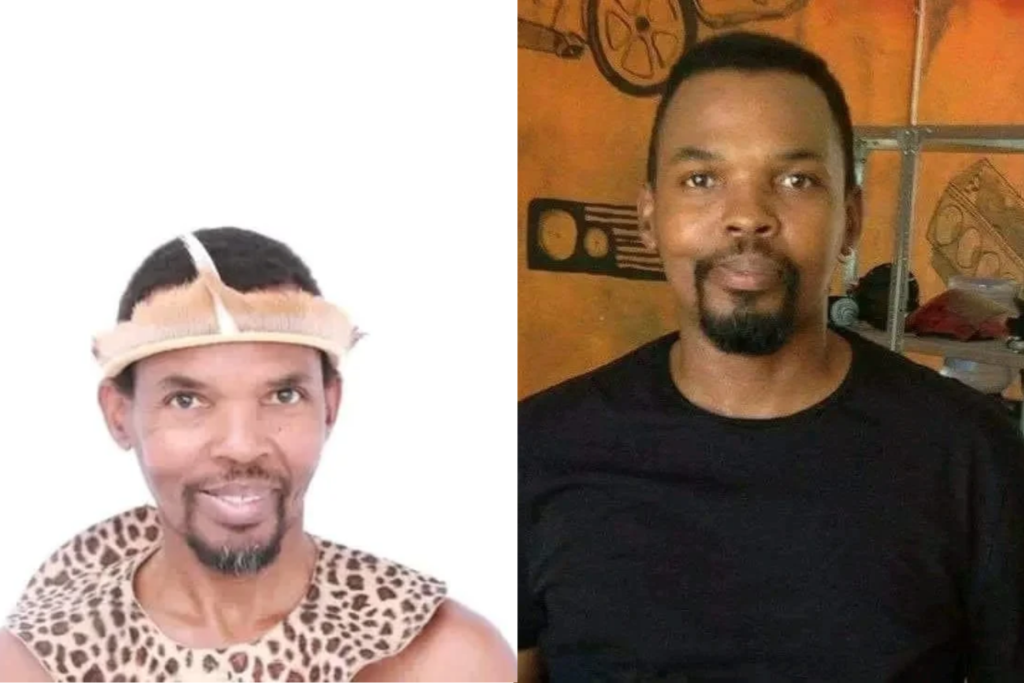
Late Taxi Boss Jothan ‘King Mswazi’ Msibi’s Farm Was ‘Operational and Political Command Centre’, Madlanga Commission Hears
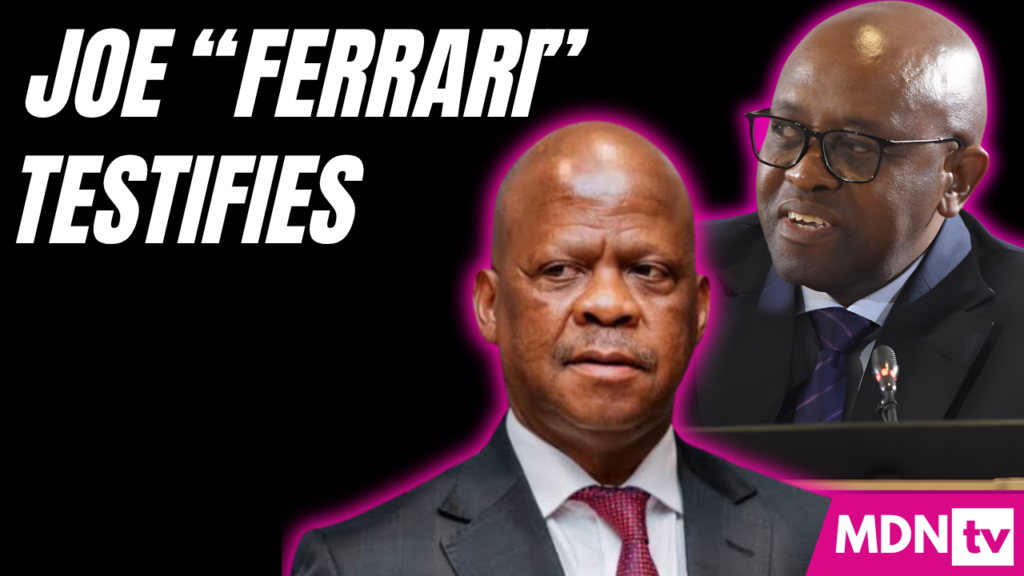
The farm of late taxi tycoon Jothan “King Mswazi” Msibi was allegedly far more than a private retreat. It was described before the Madlanga Commission of Inquiry as an operational and political command centre where taxi industry activities, criminal networks and political influence converged.
The explosive allegations were made on Friday by prominent Mpumalanga businessman and taxi owner Joe “Ferrari” Sibanyoni, who is testifying about the networks he says have fuelled violence and entrenched power within South Africa’s taxi industry.
Sibanyoni told the Commission that Msibi exercised significant influence behind the scenes, going as far as describing the late businessman as the “real president” during the administrations of former presidents Jacob Zuma and Cyril Ramaphosa.
The testimony offered a glimpse into the alleged power structures operating behind the country’s lucrative taxi routes, where control over territory can translate into millions of rand and, according to Sibanyoni, deadly consequences.
‘Bucket Money’ and Taxi Industry Violence
Sibanyoni, who described himself as a committed Christian, also told the Commission that he had survived two assassination attempts, in 2006 and 2022.
He referred to historical findings from the Shongwe Commission, which established that South Africa had about 100,000 legal and illegal taxis operating on its roads.
Against that backdrop, Sibanyoni described an unmonitored pool of cash known within the industry as “bucket money”.
He alleged that taxi associations controlled this money and used it to finance territorial disputes between rival operators.
According to his testimony, some of the money was allegedly used to hire “izinkabi”, or hitmen, from KwaZulu-Natal to eliminate competitors.
Although taxi association leaders have publicly promoted peace in the regions since 2020, Sibanyoni suggested that violence continued to be coordinated behind the scenes.
His testimony paints a picture of an industry where disputes over routes and control can extend well beyond legitimate commercial competition.
Sibanyoni Warned Bheki Cele in 2022
Sibanyoni told the Commission that he had tried to raise the alarm about the alleged criminal networks years before appearing before the inquiry.
In 2022, he sent a WhatsApp message to then Police Minister Bheki Cele, asking for government intervention.
According to Sibanyoni, the message warned that Msibi’s Hammanskraal farm was allegedly being used by a criminal syndicate with the backing of senior police officers.
He further alleged that the network was contributing to the disruption of municipal service delivery in Tshwane.
Sibanyoni claimed that Cele did not act on his warning.
He later approached then Transport Minister Sindisiwe Chikunga, whom he said was prepared to listen and assist.
But the consequences of speaking out were, according to Sibanyoni, severe.
Three months after reporting the alleged syndicate, he said gunmen launched a high calibre attack on his vehicle.
He survived the ambush.
Taxi Fleet Was Allegedly Shut Out
Sibanyoni also described the financial consequences of the conflict.
He told the Commission that his taxi fleet was allegedly prevented from operating on certain routes from 2020 until 2024, during the Covid 19 pandemic and its aftermath.
When he attempted to resume operations, he said only four of his 20 taxis were allowed back onto the routes.
The dispute eventually led him to approach the High Court, where he secured an order allowing his entire fleet to return to operation.
Ironically, Sibanyoni said the Covid 19 lockdowns also gave him a measure of protection because they kept him away from Msibi’s Hammanskraal property, where he feared for his safety.
Alleged Criminal Network at Msibi’s Farm
By 2022, Sibanyoni alleged that the activities connected to Msibi’s farm had expanded to include several figures associated with South Africa’s underworld.
He testified that he discovered Katiso Molefe was allegedly operating a drug distribution network from the property.
He further alleged that Vusimuzi “Cat” Matlala’s organisation provided security services.
Sibanyoni said the presence of these figures helped him understand why he believed he had become a target.
His testimony linked the alleged networks at the farm to the broader power struggles surrounding the taxi industry, although the allegations remain subject to the Commission’s investigation.
Praise for Nhlanhla Mkhwanazi
Sibanyoni ended his testimony by praising KwaZulu Natal Police Commissioner Lieutenant General Nhlanhla Mkhwanazi.
He described Mkhwanazi as an attentive police official who met with him twice after Msibi’s death in 2024.
According to Sibanyoni, decisive policing under Mkhwanazi had contributed to a decline in taxi related killings in the region.
His testimony has added another layer to the Madlanga Commission’s investigation into allegations of corruption, organised crime and violence within South Africa’s taxi industry.
The inquiry is now examining how political influence, criminal networks and control of lucrative transport routes may have become intertwined in a sector worth billions of rand.
For Sibanyoni, however, the allegations are more than a matter of industry politics. His testimony describes a world where speaking out could carry potentially fatal consequences.
The Commission continues its investigation.
- bheki cele, bucket money taxi industry, Hammanskraal farm, izinkabi taxi violence, Joe Ferrari Sibanyoni, Jothan King Mswazi Msibi, Jothan Msibi farm, Katiso Molefe, madlanga commission, Msibi taxi empire, Nhlanhla Mkhwanazi, Sindisiwe Chikunga, South Africa taxi violence, South African Taxi Industry, taxi industry corruption, taxi industry crime, taxi violence South Africa, Vusimuzi Cat Matlala