
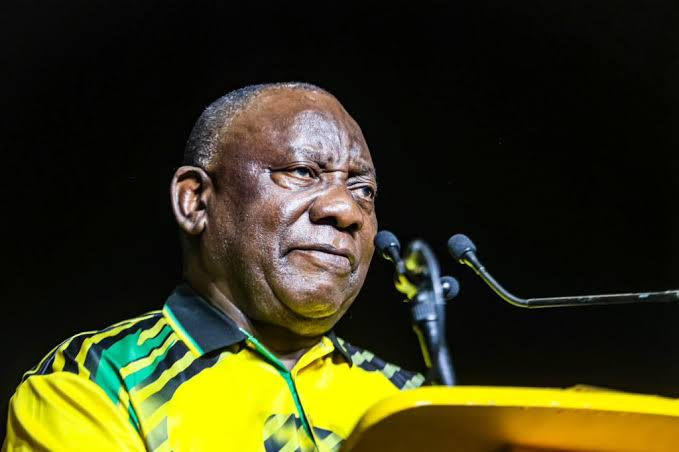
The uMkhonto weSizwe (MK) Party has reacted strongly to President Cyril Ramaphosa’s recent announcement in Ndwedwe regarding housing reparations for victims of apartheid.
While acknowledging that support for victims is long overdue, the party argues that the timing of the announcement raises concerns. According to the MK Party, the move appears closely tied to the upcoming 2026 local government elections, particularly in KwaZulu-Natal—a region where they believe the ruling African National Congress has struggled to meet expectations.
For decades, the MK Party says, many victims of apartheid-era injustices have waited for meaningful implementation of recommendations from the Truth and Reconciliation Commission. Some, they note, passed away without ever receiving assistance. Now, the party questions why significant action is only being taken in 2026.
The government’s allocation—reportedly R40 million for around 220 beneficiaries in one area—is described by the MK Party as insufficient when compared to the broader need. They argue that while some individuals may benefit, many families connected to past injustices continue to live without adequate housing, land, or basic dignity.
Ndwedwe itself carries a painful history, having been deeply affected by violence during apartheid and the political unrest of the late 1980s and early 1990s. The MK Party agrees that this suffering must be recognized, but insists that real justice requires more than symbolic gestures.
Instead, the party is calling for wider-reaching reforms. These include large-scale land redistribution, a more inclusive reparations programme that supports entire communities, and full implementation of outstanding TRC recommendations—including accountability for past human rights violations. They also stress the need to address corruption, which they believe has limited progress on restitution efforts.
The MK Party further criticizes the government’s broader record, pointing to ongoing challenges such as unemployment, poverty, and declining infrastructure. In their view, these issues continue to affect the same communities that bore the brunt of historical injustices.
Ultimately, the party maintains that South Africans deserve more than what they see as delayed and limited interventions. They say their focus remains on pursuing economic freedom, restoring land, and ensuring lasting justice for victims of both apartheid and unmet promises in the democratic era.