
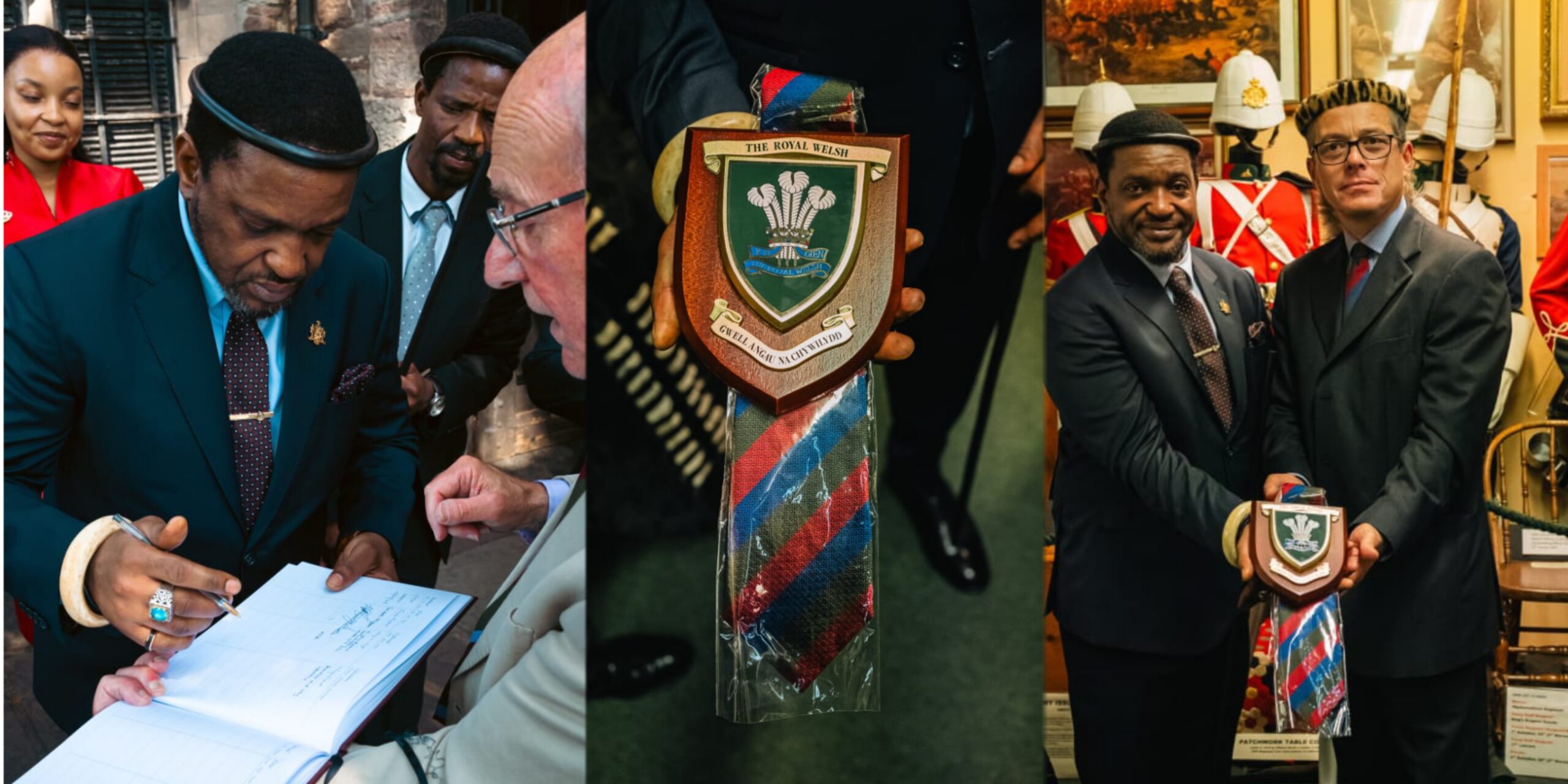
In a powerful act of historical remembrance and cultural diplomacy, His Majesty King Misuzulu kaZwelithini, accompanied by Her Majesty Queen Sihle KaMdhluli, completed a landmark royal visit to the Royal Welsh Regimental Museum in Brecon and St Martin-in-the-Fields Cathedral in London on 12 July 2025. The visit marked a profound retracing of the royal footsteps of King Cetshwayo kaMpande, the great-grandfather of His Majesty, who visited the United Kingdom in 1882 after the Anglo-Zulu War.
This royal engagement also honoured the legacy of His Majesty’s late parents—King Goodwill Zwelithini kaBhekuzulu and Queen Mantfombi Dlamini Zulu—both of whom previously visited Wales to commemorate the legacy of King Cetshwayo and to strengthen the spiritual and diplomatic ties between the Zulu Kingdom and the British Crown.
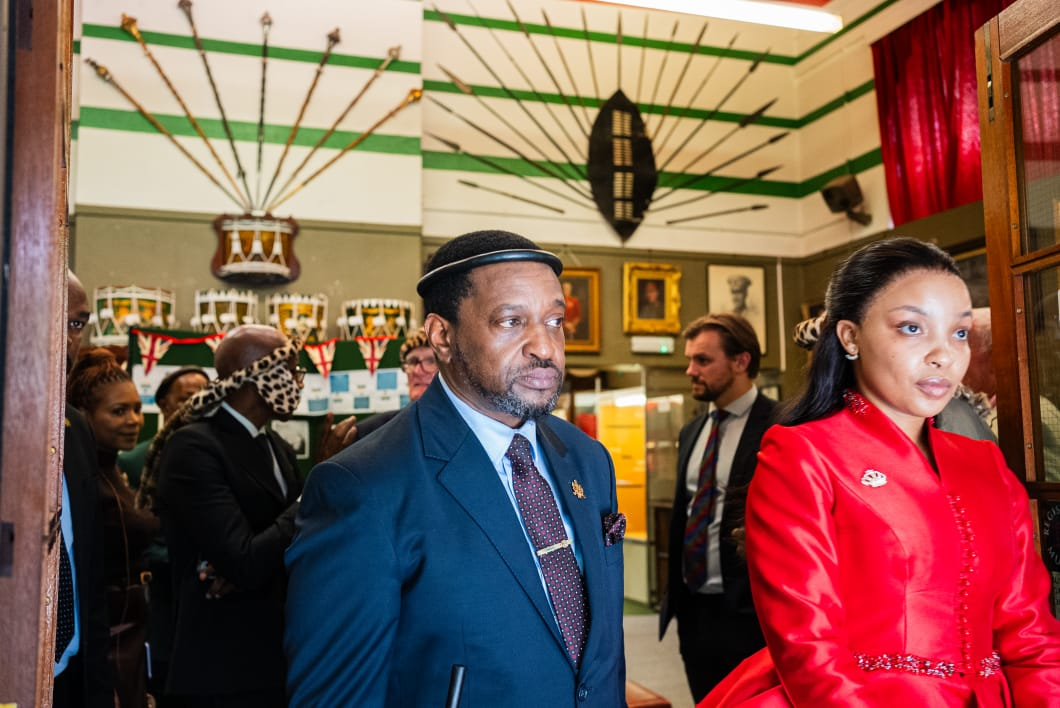
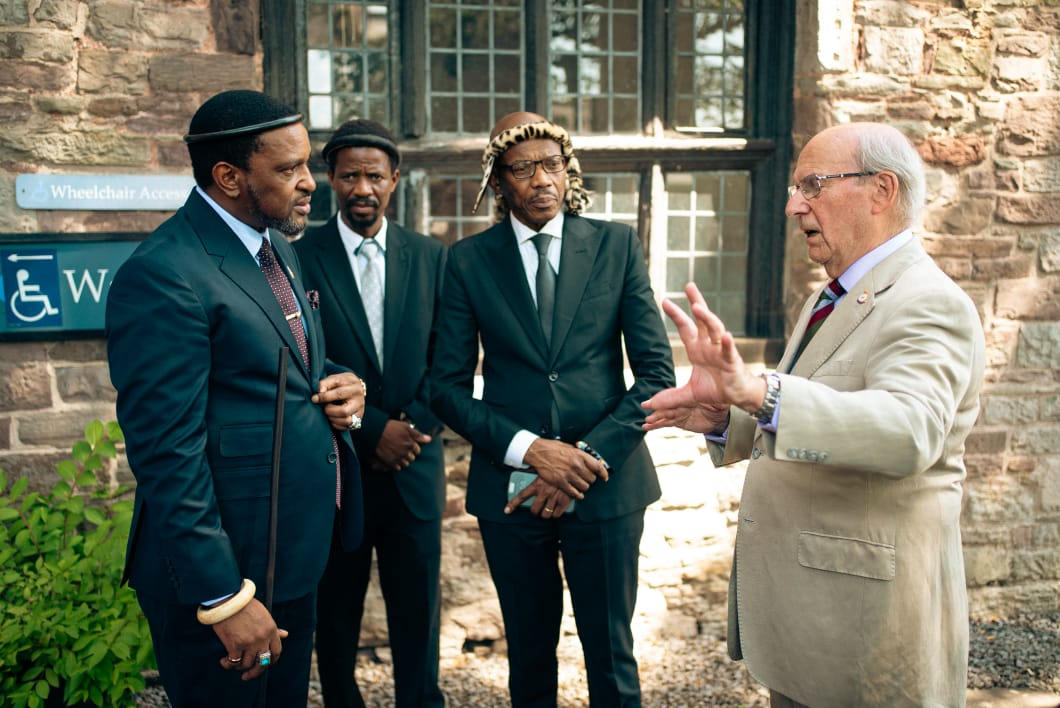
 At the Royal Welsh Regimental Museum, a significant site of Anglo-Zulu War history, King Misuzulu and Queen Sihle were received with full ceremonial honours. The museum, located in Brecon, houses extensive collections from the 1879 battles of Isandlwana and Rorke’s Drift. Among the ceremonial highlights of the day was His Majesty’s formal presentation of a Zulu traditional war shield—an ancestral symbol of peace and reconciliation. This act mirrored a similar gesture made by his late father, King Zwelithini, during his visits to the United Kingdom. The shield served as a diplomatic gift symbolising the continuation of peace between the Zulu Kingdom and the British Crown, first brokered by King Cetshwayo kaMpande and Queen Victoria following King Cetshwayo’s captivity and subsequent visit to Britain in the 1880s.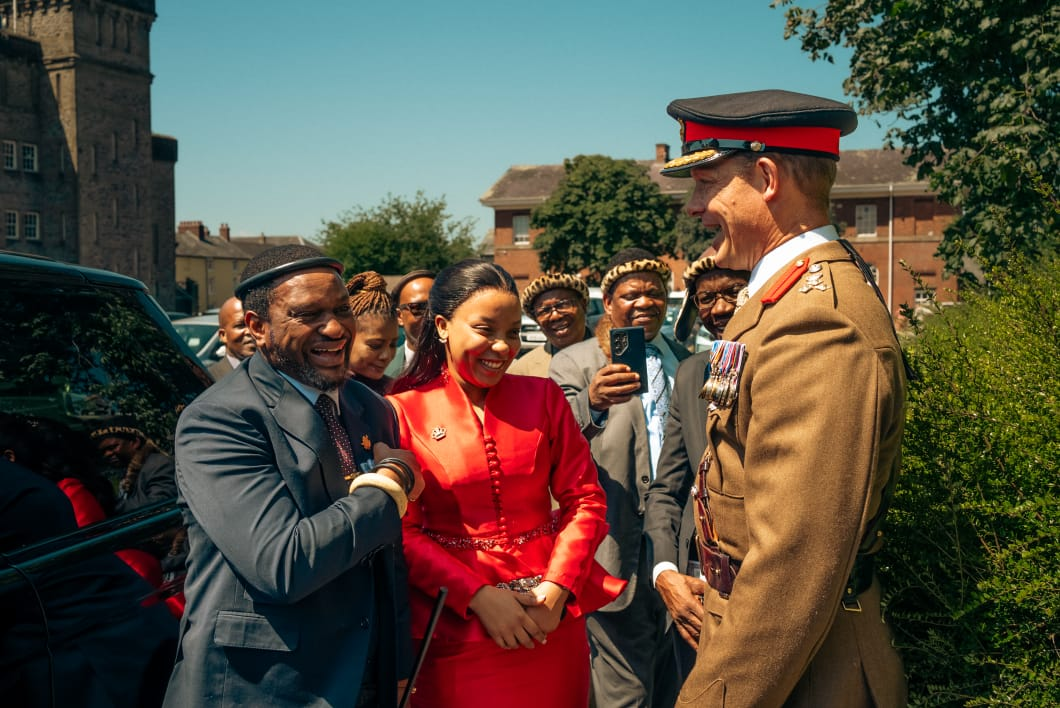
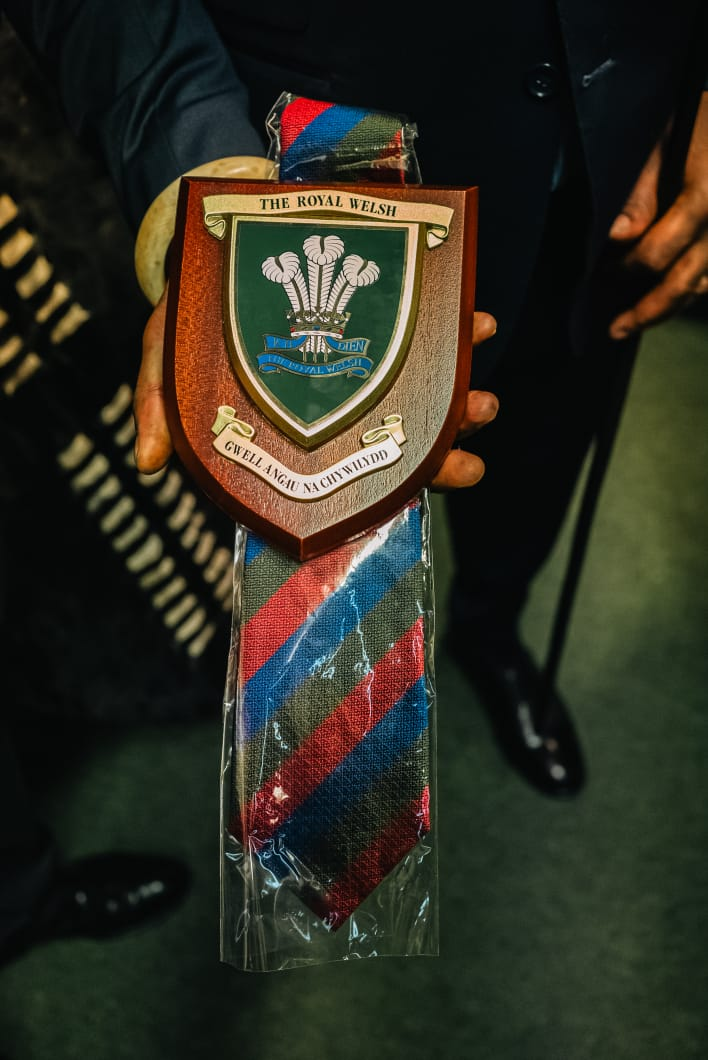
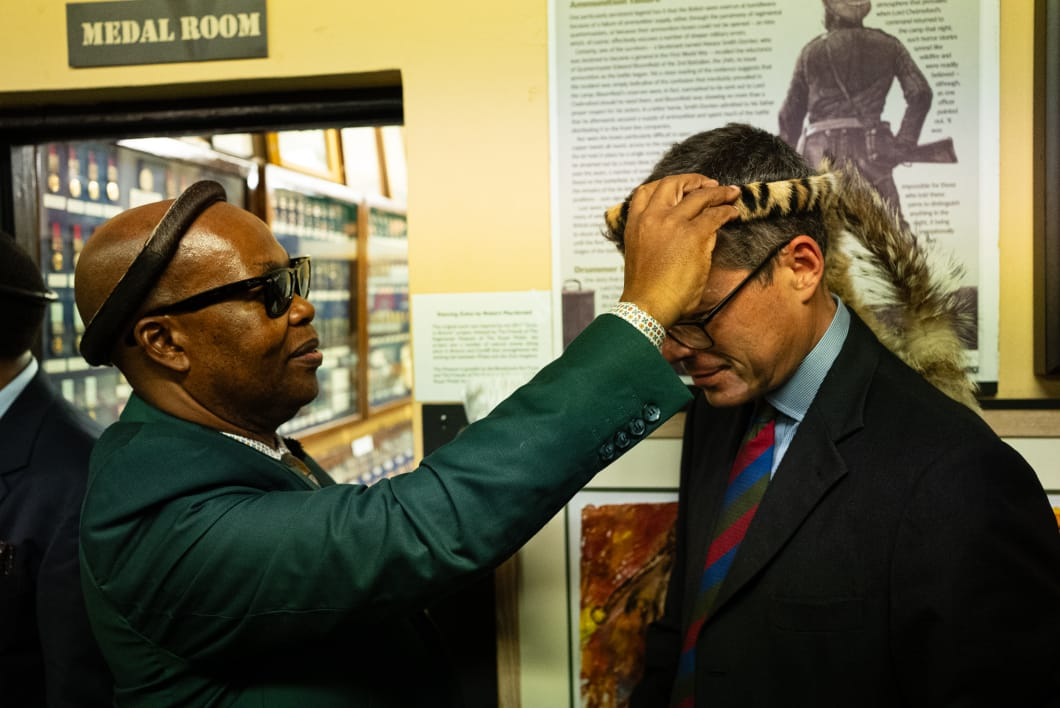
In a moment of exceptional honour and heritage recognition, His Majesty was presented with the prestigious Royal Welsh Wall Plaque (Crest Shield) and the Royal Welsh Regimental Tie. The Crest Shield, bearing the emblem of the Royal Welsh Regiment, symbolises military honour and enduring mutual respect. The Regimental Tie, rich in ceremonial tradition, is typically reserved for distinguished individuals who have demonstrated commitment to peace, service, or honourable relations with the regiment. These two items are considered among the highest tokens of respect from the Royal Welsh to a foreign royal figure. A notable moment of the visit was His Majesty’s encounter with the Royal Welsh regimental goat—a live ceremonial mascot whose tradition dates back to the 18th century. Adorned in full regalia, the goat represents military continuity and pride, and its presence during royal visits underscores deep historical significance. The symbolism of the Zulu King meeting the living mascot of the very regiment that clashed with Zulu warriors at Isandlwana, now in an atmosphere of brotherhood, marked a striking image of reconciliation.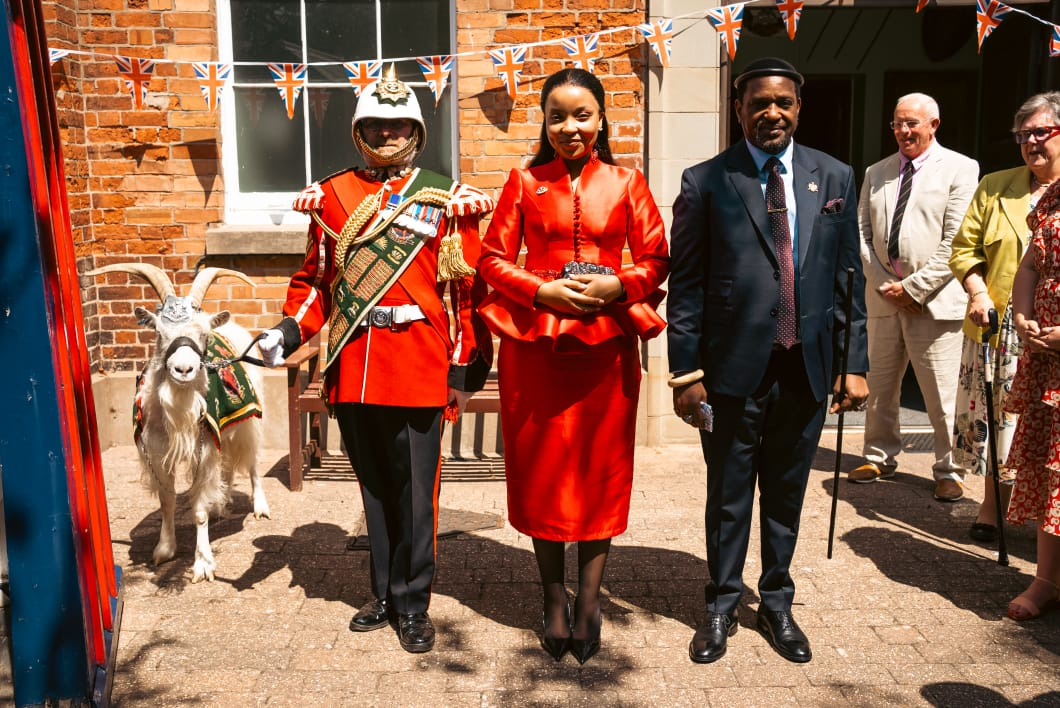
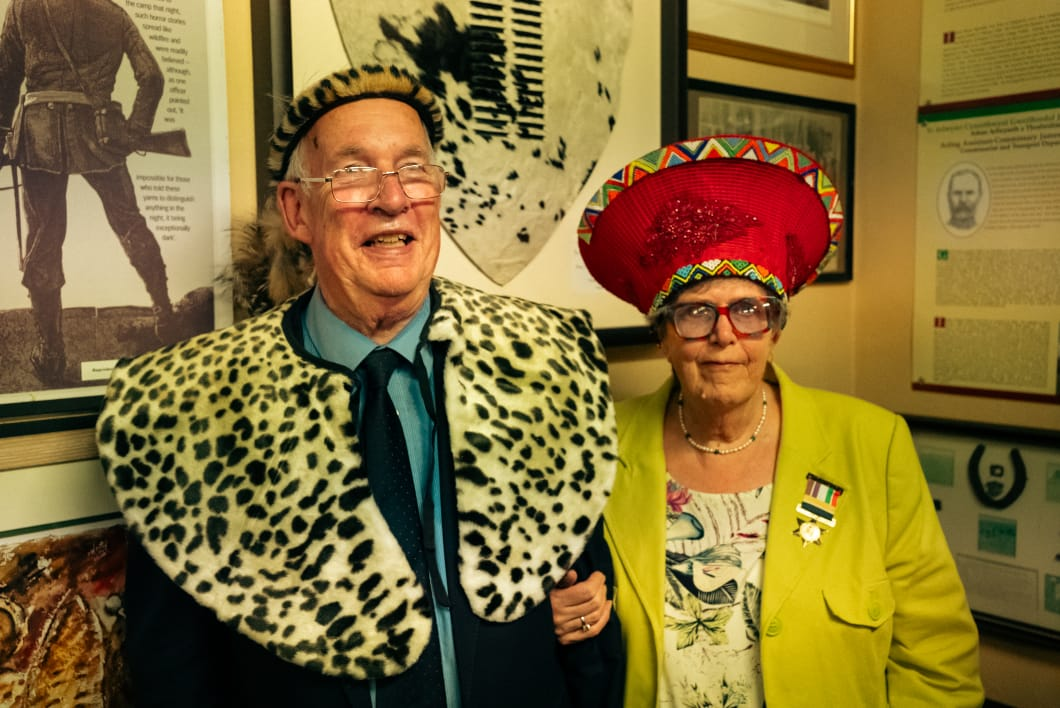
One of the most heartfelt parts of the museum visit was His Majesty’s personal meeting with Mrs Dorcas Creswell, a long-standing friend of the Zulu Royal Family. Mrs Creswell was honoured in 2019 by the late King Zwelithini, who formally acknowledged her contribution to advancing heritage diplomacy between the Zulu Kingdom and the United Kingdom. At that time, she was appointed as ambassador and representative of the Bayede Heritage Trust in the UK, tasked with developing and supporting cultural and developmental initiatives in partnership with the monarch and KwaCulture. Her efforts were instrumental in organising commemorations of King Cetshwayo in the United Kingdom, including facilitating the presence of Zulu royalty at the Royal Welsh Agricultural Show and building platforms that spotlighted Zulu heritage in Britain. His Majesty King Misuzulu, following in his father’s vision, acknowledged her continued service and thanked her for her role in honouring Zulu memory on international soil.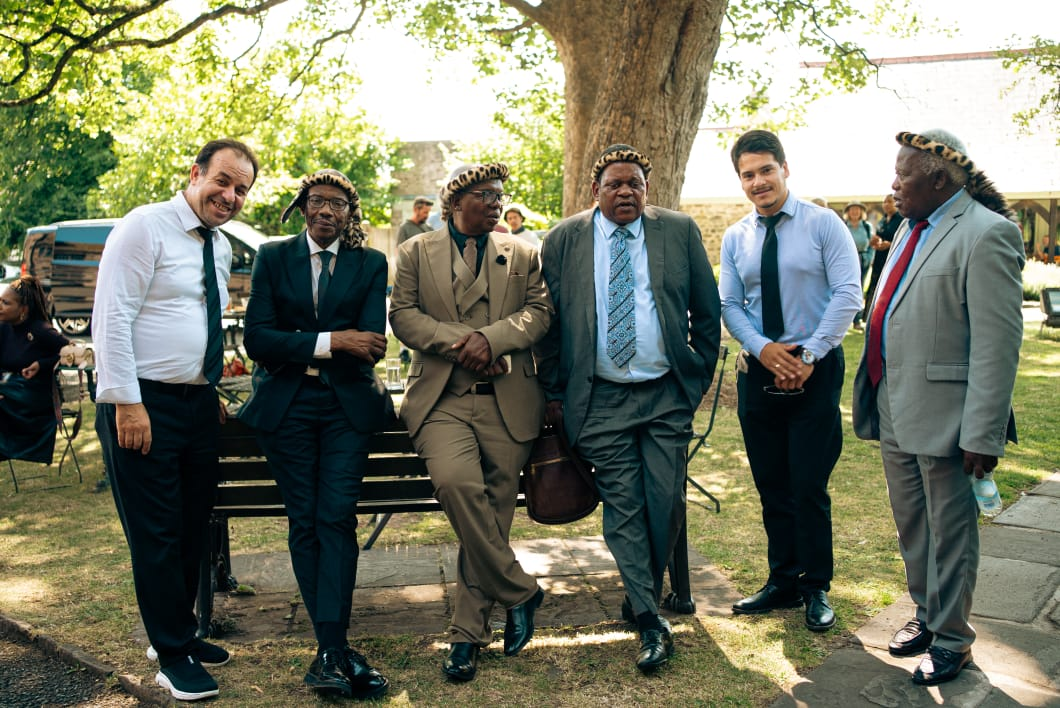
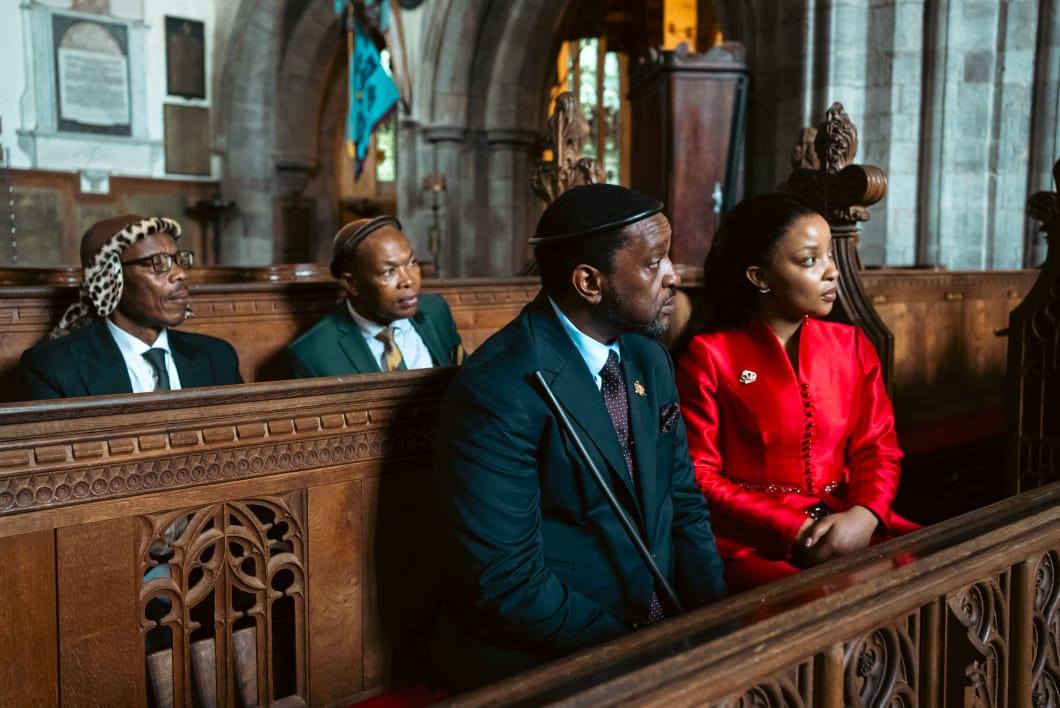
Later in the day, Their Majesties proceeded to St Martin-in-the-Fields Cathedral in central London—a location historically linked to the spiritual journey of King Cetshwayo during his own time in Britain. The visit served as a time of solemn reflection, prayer, and commemoration of past sacrifices and restored dignity.
The visit resonates not only with historical gravity but also with strategic royal diplomacy. It marks the continuation of a royal legacy spanning centuries and monarchs:
• In 1882, King Cetshwayo kaMpande travelled to Britain and was received by Queen Victoria, marking one of the earliest and most significant examples of indigenous diplomacy on British soil.
• In the late 20th and early 21st centuries, King Goodwill Zwelithini strengthened ties with Queen Elizabeth II and Prince Charles (now King Charles III), laying the foundations for cultural restoration and agricultural cooperation.
• Now in 2025, King Misuzulu kaZwelithini has reaffirmed and elevated these ties emphasising postcolonial reconciliation, cultural heritage, and traditional leadership’s role in global diplomacy.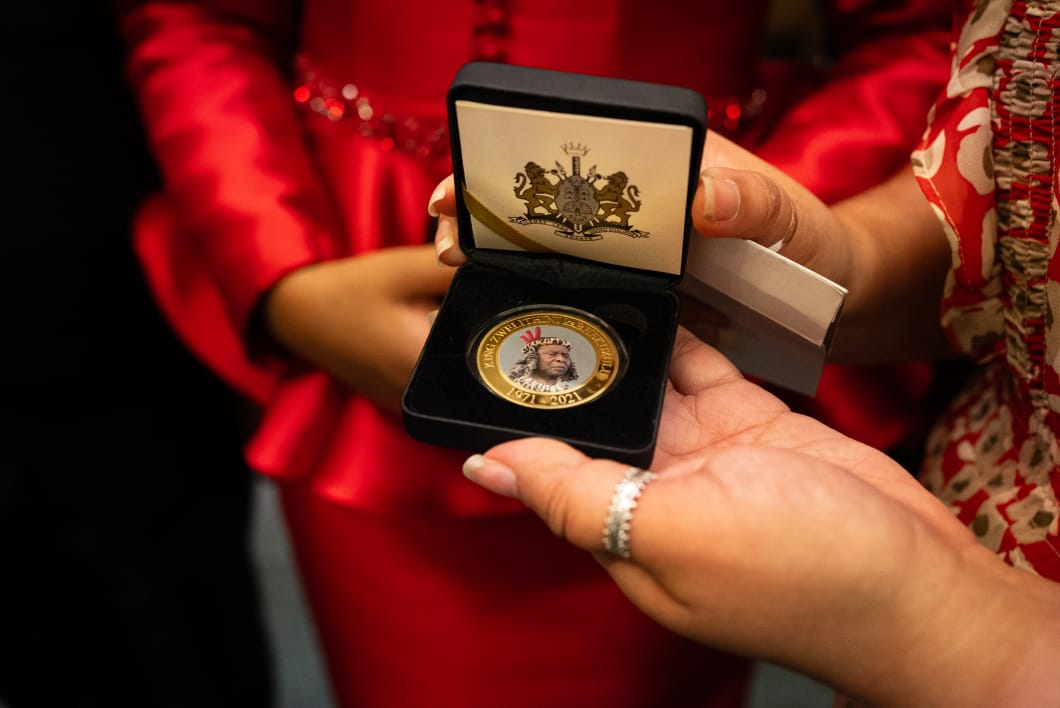
Speaking at the ceremony, King Misuzulu remarked:
“We do not carry history to mourn it, but to honour it. We exchange not weapons, but wisdom. Let these gifts stand as shields of peace, and may our kingdoms remain forever united in mutual respect.”
The symbolism of this statement—spoken in the halls once filled with imperial tension—resonated deeply with observers from across diplomatic and academic communities. The King’s message reflected not only his royal stature but his moral vision for global unity.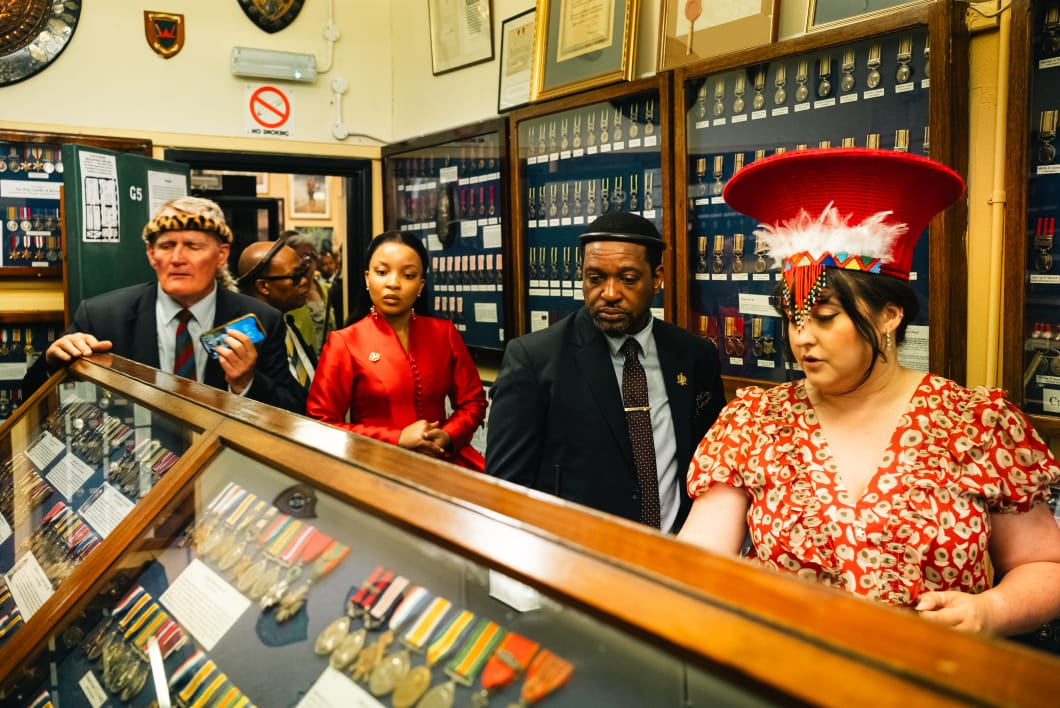

Cultural and heritage commentators hailed the visit as a model of cultural diplomacy, praising its capacity to bridge past traumas with present-day partnership. International heritage organisations and human rights observers lauded the event as an example of non-political, values-based diplomacy that embraces healing, humility, and historical truth.
Scholars suggest that King Misuzulu’s leadership—combining ancestral reverence with a forward-looking commitment to peace and development—positions him as one of the world’s most compelling advocates of traditional governance in modern global affairs. The visit has even led to discussions for his role in advancing post-colonial reconciliation and inter-kingdom diplomacy rooted in indigenous traditions.

As the sunset on Brecon and London, the meaning of the visit lingered: a Zulu King had returned not in chains, but in dignity. Not to negotiate peace, but to celebrate its fruits. Through ancestral homage, ceremonial exchange, and unwavering respect, King Misuzulu kaZwelithini reminded the world that history can be transformed—not erased—when honour meets humility, and memory serves peace.
