
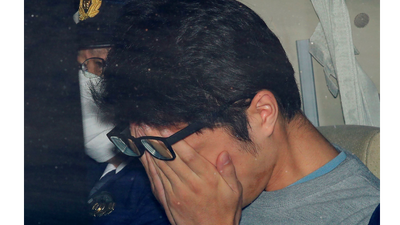
Japan has carried out the execution of Takahiro Shiraishi, a man whose horrific crimes shocked the nation in 2017. Known in the media as the “Twitter killer,” Shiraishi murdered nine people after luring them to his apartment through social media.
His victims—mostly young women aged between 15 and 26—were individuals he connected with online. Many had expressed suicidal thoughts, and Shiraishi offered them false comfort, sometimes claiming he would help them die or even die alongside them. Instead, he strangled and dismembered them.
The gruesome nature of the crimes came to light when police discovered body parts in coolers and toolboxes inside his apartment in Zama, near Tokyo, while investigating the disappearance of one of his victims.
During the trial, Shiraishi initially claimed the victims had consented to die, and his lawyers tried to argue for a lesser charge of “murder with consent.” However, he later admitted he had acted without their permission, contradicting his own defense team.
In December 2020, he was sentenced to death, drawing widespread attention. Hundreds of people came to witness the verdict, highlighting the emotional weight the case carried for the public.
Officials described his crimes as being driven purely by selfish desires—both sexual and financial. The case not only disturbed the nation but also pushed social media platforms to reevaluate how suicide-related content is handled. At the time, Twitter updated its rules to prohibit encouraging or promoting self-harm and suicide.
The execution marked Japan’s first use of the death penalty since 2022 and reignited conversations about capital punishment, mental health, and the responsibilities of online platforms in preventing harm.