Is the ANC Branch Losing Its Power Amid Candidate Selection Disputes?

TZANEEN – Questions are mounting over the power of African National Congress (ANC) branches to determine their preferred ward councillor candidates amid growing internal divisions and disputes surrounding the party’s candidate selection process ahead of the 4 November Local Government Elections.
The ANC’s approved 2026 candidate selection guidelines provide for a process in which branches nominate four potential ward councillor candidates, including at least two women, for consideration by community members.
During a community meeting, residents can assess the candidates, ask questions and express their support through a show of hands. They may also nominate an additional candidate to replace the least-supported person on the list.
The branch subsequently selects its preferred candidate from the four community-endorsed nominees, with a secret ballot conducted if consensus cannot be reached. The successful nominee is then screened by the Provincial List Committee before being submitted for ratification and approval by the party’s provincial and national structures.
However, the process has raised questions among members who believe that the ANC’s grassroots branches should retain the ultimate influence over candidate selection.
The tensions come against the backdrop of internal political battles and disagreements over the party’s leadership and electoral strategy in several parts of the country.
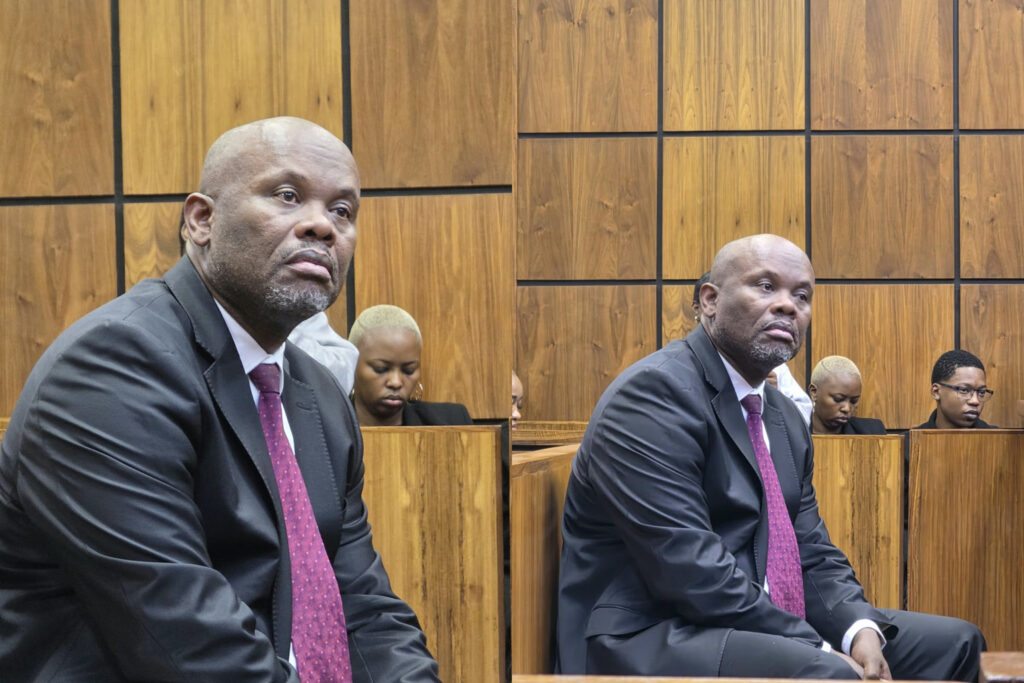
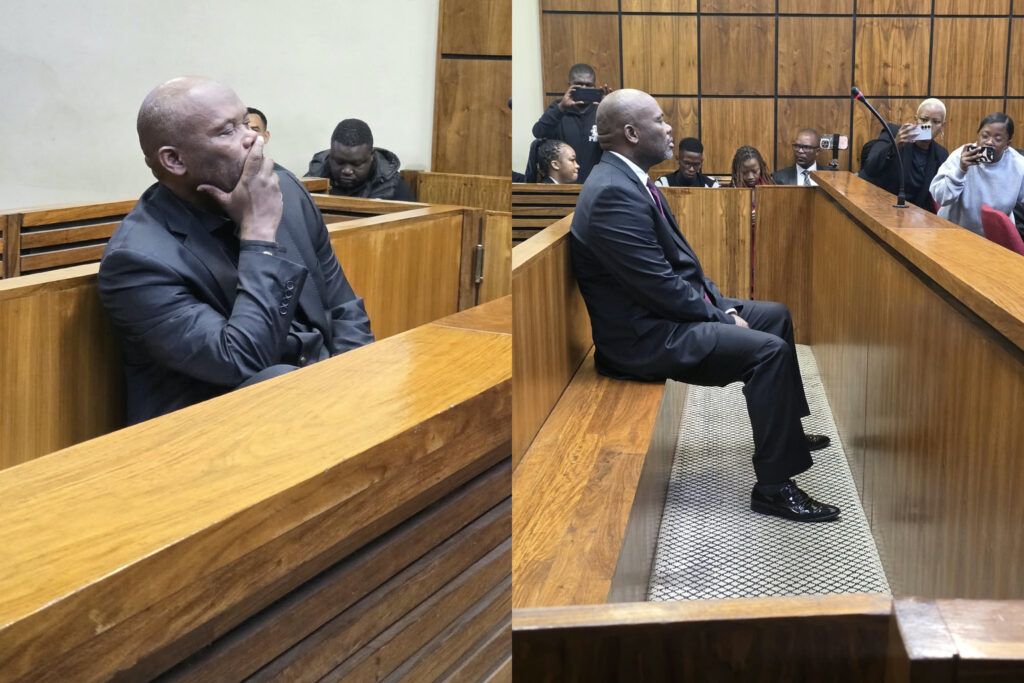
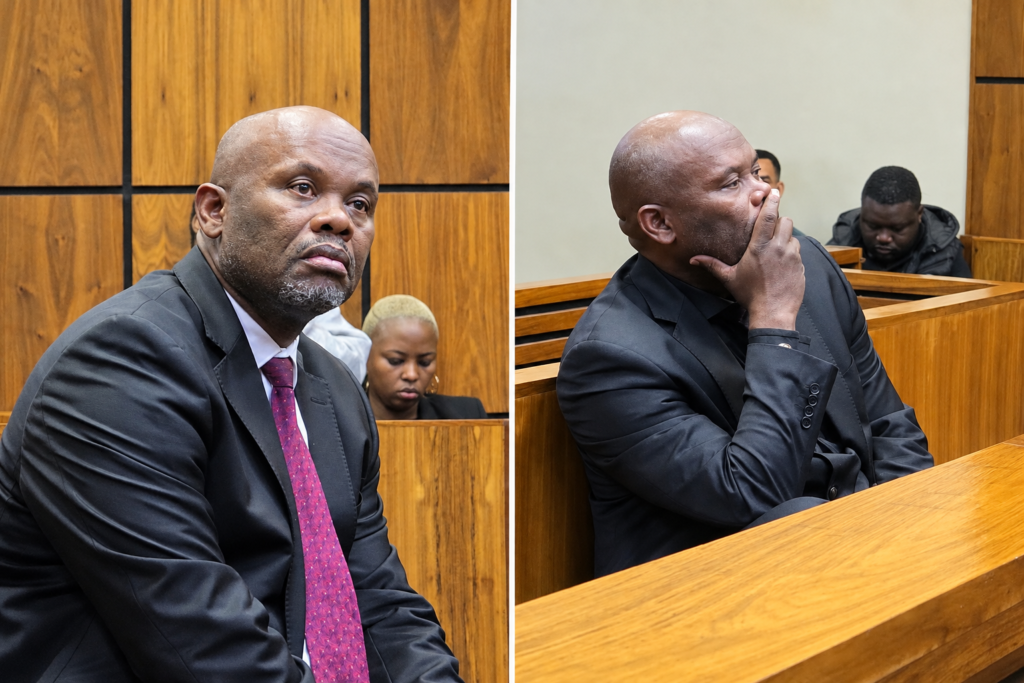
In Greater Tzaneen Municipality’s Ward 23, the dispute came into focus when ANC ward councillor Kholofelo Ndlovu and two other members lodged an application against Norman Mashabane Regional Secretary Sonia Ngobeni Maswangwanyi and Provincial Secretary Reuben Madadzhe at the Polokwane High Court.
The matter was withdrawn before it could be heard, and the applicants were asked to settle legal fees incurred with Patel Law Firm.
MDNTV approached Ndlovu for comment, but he declined to comment on the matter.
ANC Norman Mashabane Regional Spokesperson Hasani Ngobeni expressed the organisation’s disappointment with the applicants, arguing that internal party disputes should be addressed through the ANC’s structures rather than the courts.
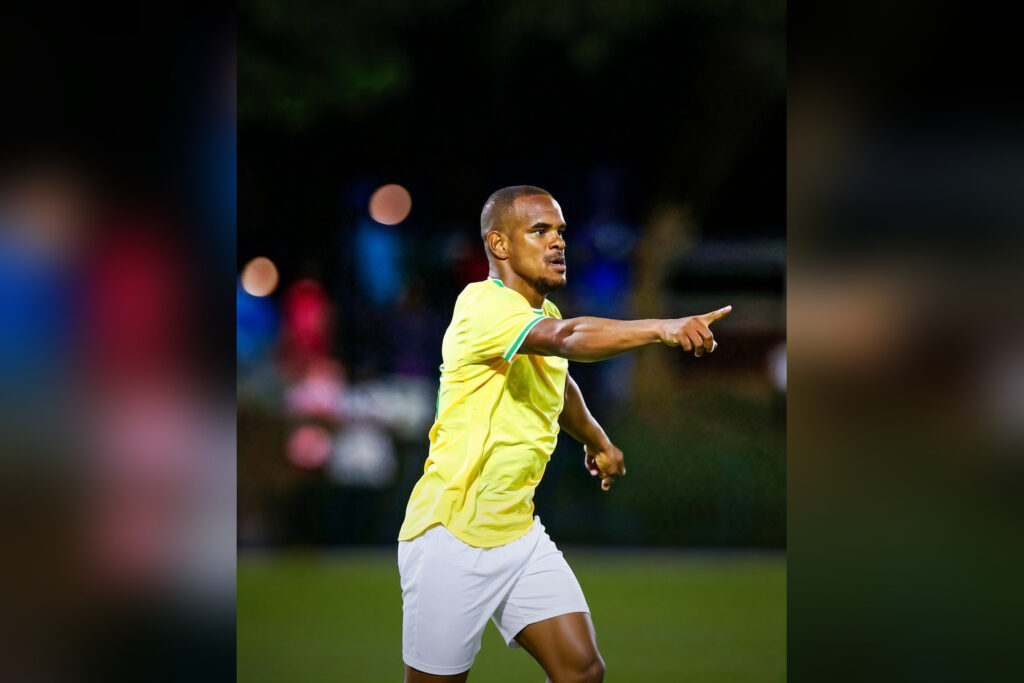
Ngobeni further assured Ward 23 members that Issaic Hlungwani remains the party’s councillor candidate and that the decision would not change ahead of the 4 November elections.
Ward 23 has historically been an ANC stronghold, with opposition parties, including the Economic Freedom Fighters, struggling to gain a foothold in the community.
Hlungwani, a former member of an opposition party, is now the ANC’s candidate in the ward.
The developments raise a broader question about whether the ANC’s branch structures are losing their influence as candidate selection becomes increasingly contested and subject to provincial and national approval.
While branches remain central to the nomination process, the final screening and approval stages mean that their preferred candidates must still pass through higher party structures.
The dispute in Mark Shope could therefore reflect a wider tension within the governing party between grassroots participation and the authority of its provincial and national leadership.
- ANC 2026 local government elections, ANC branch power, ANC candidate nomination process, ANC candidate selection disputes, ANC ward councillor candidates, Greater Tzaneen Ward 23, Issaic Hlungwani, Kholofelo Ndlovu, MDNTV, mdntvlive, mdntvnews, Norman Mashabane Region, Polokwane High Court, Reuben Madadzhe, Sonia Ngobeni Maswangwanyi