
How to Register Your Spaza Shop: A Step-by-Step Guide for Entrepreneurs
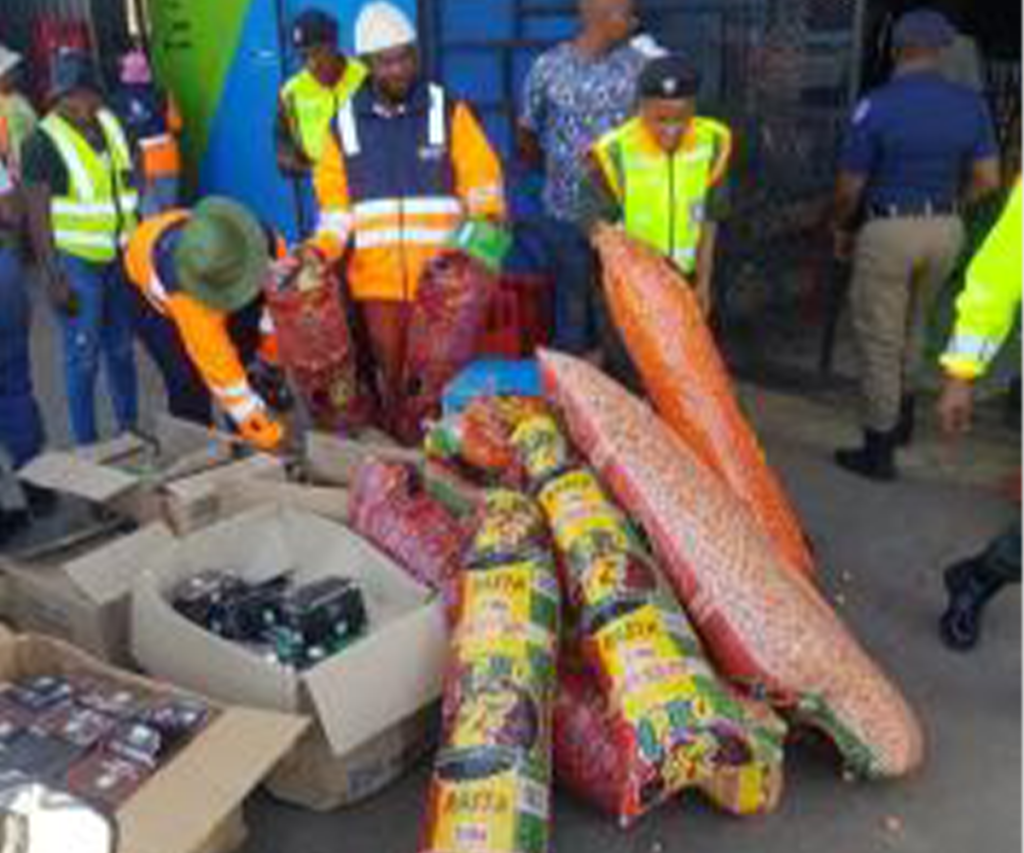
To all spaza shop owners! You might have heard about the new government rules about registering your shop. It’s a big change, but don’t worry – we’re here to help you understand why it matters and how to do it right.
The government wants all spaza shops and vendors to register their businesses. This isn’t just more paperwork – it’s actually about keeping our communities healthy and safe. Think about it like getting a driver’s license – it shows you know the rules and can operate safely.
Government’s Rationale for Registration
President Cyril Ramaphosa recently shared some concerning news about food safety issues in our communities. He talked about problems with foodborne illnesses and people using dangerous pesticides near food items. That might sound intimidating, but raising awareness remains the most effective approach. “We need to make sure the food we sell to our communities is safe. Registration helps us do that.” – President Ramaphosa
The government has given us 21 days to get everything sorted. I know it might feel rushed, but there’s a good reason – they want to protect everyone’s health as quickly as possible.
Where and How to Register
Getting registered is easier than you might think! You can do it at:
- Your local municipal office
- Special registration sites in your area
The registration window is from November 15 to December 13, 2024. You can get the forms in two ways:
- Pick them up at your municipal office
- Download them from your municipality’s website
Key Information Required for Registration
Here’s what you’ll need to have ready:
- Your full name
- ID number
- Gender
- Information about any disabilities
- Your shop’s address
- A list of what you sell
- If you’re not South African, bring your valid permits
Affidavit Requirements
You’ll need to sign an affidavit saying:
- Your business follows the law
- You’ll stick to the rules and standards
Municipality’s Role in Verifications
The municipality will:
- Check your background (don’t worry, it’s standard procedure!)
- Make sure everything about your business is legal
- Work with law enforcement to verify information
Issuance of Registration Cards or Permits
Once approved, you’ll get your trading permit. Keep it displayed in your shop – it’s like your shop’s ID card! Think of it as a badge of honor showing you’re running a proper, legal business.
Reporting and Addressing Illegal Practices
If you spot something wrong in your area:
- Report it to your local municipality
- Follow the proper channels for complaints
- Know your rights if your application gets rejected
Legal Implications of Non-Compliance
Let’s be honest – not registering can lead to problems:
- You might face penalties
- There could be issues with the Immigration Act if you’re helping unregistered foreign traders
- Your shop might have to close
Conclusion
Getting registered is a positive step forward. It shows you care about your customers’ health and your community’s wellbeing. Plus, it gives you peace of mind knowing you’re doing everything right.
Remember: A registered shop is a respected shop! Let’s work together to make our community safer and better for everyone.