
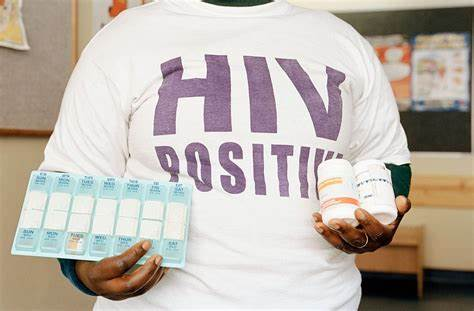
Gugu, a 54-year-old former sex worker living in Johannesburg, used to rely on a downtown clinic for her HIV medication. Like many others, she depended on services funded by the U.S. government through its aid agency. But earlier this year, significant funding cuts led to the closure of many such facilities, putting the health of thousands at risk.
Before her clinic shut down, Gugu was fortunate to receive a nine-month supply of antiretroviral drugs (ARVs)—a critical medication that helps suppress the virus and prevent transmission. Her current supply will run out in September, after which she hopes to access medication at a local public hospital.
Her journey with HIV began a decade ago after a persistent chest infection led her to seek testing. Though she suspected the diagnosis, confirmation brought clarity and a commitment to treatment. Today, Gugu works as a project coordinator with an NGO that supports pregnant sex workers, helping them access treatment to protect their unborn children from infection.
Many women like Gugu now find themselves in limbo. The clinics they once trusted have disappeared, leaving public hospitals as the only remaining option—facilities that are often overstretched and under-resourced. For those still engaged in sex work or facing stigma, navigating these public systems can be especially difficult.
Global health experts have raised concerns over the fallout from recent aid reductions. A new report highlights that progress against HIV is in jeopardy, with millions of lives potentially at risk if funding shortfalls aren’t addressed. Despite major gains over the past two decades—including millions of lives saved and infections prevented—activists and healthcare workers warn that such progress could be undone.
Gugu fears that many women may now avoid seeking care altogether, a dangerous step backward in a country that has long fought to turn the tide on HIV.