
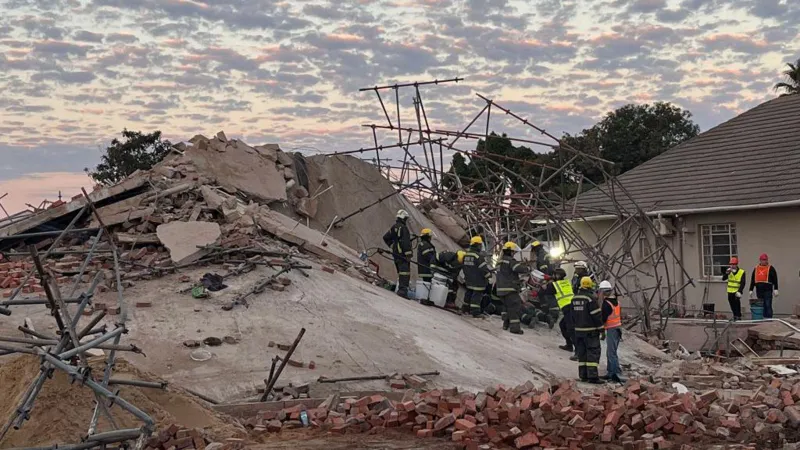
South Africa’s Minister of Public Works and Infrastructure, Dean Macpherson, has declared that the deadly building collapse in George in 2024, which claimed the lives of 34 people, was entirely preventable. Speaking out following the completion of an investigation into the tragedy, Macpherson blamed systemic breakdowns in planning, oversight, and enforcement.
According to the minister, there were several points where intervention could have prevented the disaster, but due to a weak regulatory environment, no action was taken. “What angers me most is that this tragedy didn’t have to happen. At every stage, there were chances to act, but those responsible either weren’t required or didn’t feel compelled to do so,” he said.
A full report by the Engineering Council of South Africa (ECSA) has been finalized and is set to be published in the Government Gazette. An appeal period is currently open until August 3, 2025. Macpherson stressed that this report must play a crucial role in a criminal investigation. If any form of negligence is found, he said, prosecutions must follow swiftly. “Accountability is non-negotiable. No contractor, engineer, or official should be immune from the law.”
The minister also announced new measures to prevent such tragedies in the future. A dedicated hotline will be launched to allow workers and the public to anonymously report safety concerns at construction sites. These alerts will trigger immediate inspections and, where needed, emergency shutdowns.
Reforms will be rolled out in three phases:
Phase One (2025–2026): Introduction of emergency regulations, new safety standards, and strict protocols.
Phase Two (2026–2028): Legislative reforms and competency-based registration systems for professionals in the built environment.
Phase Three (2028 onward): Restructuring institutional oversight, moving the responsibility for building regulations to the Department of Public Works and Infrastructure.
Macpherson also mentioned efforts to support the victims’ families, especially those who have lost their primary source of income. Discussions are ongoing with the Department of Social Development and various NGOs to provide long-term assistance.
This renewed focus on accountability and safety comes amid growing public pressure to ensure that lessons are learned from the George tragedy — and that no similar disaster ever happens again.